
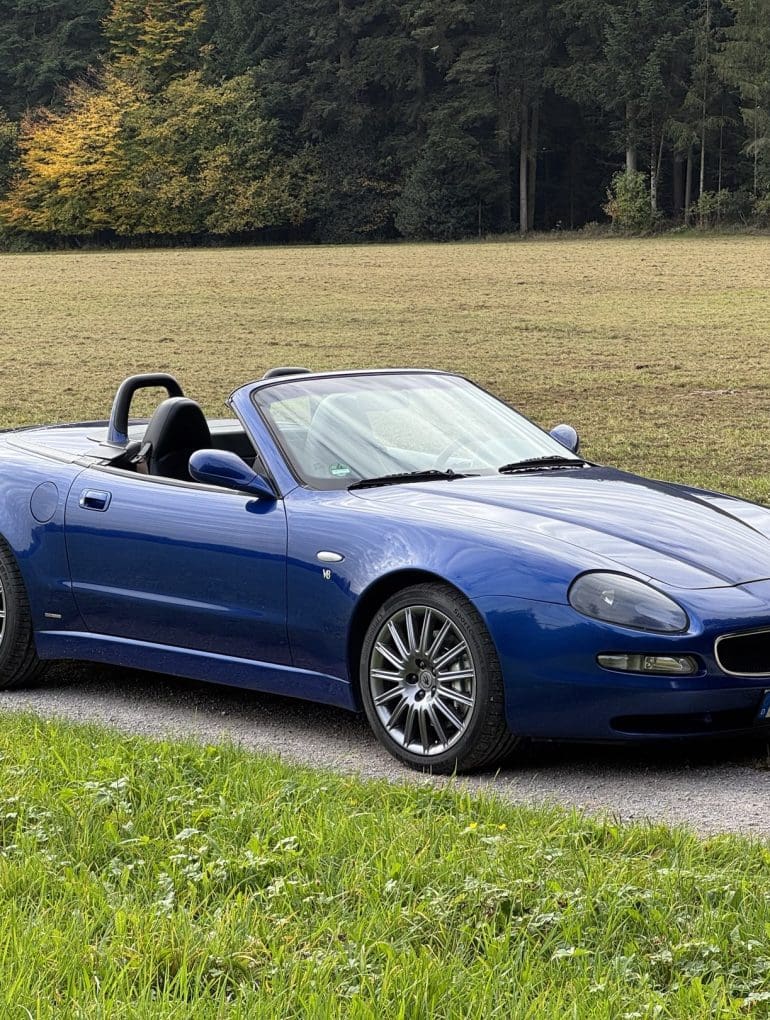

Maserati introduced the Spyder, a revolutionary convertible grand tourer celebrating that refined engineering and sophisticated naturally aspirated power could establish genuine performance credentials while maintaining practical usability and timeless design. The 4.2-liter displacement referenced the engine’s size, with the Ferrari-Maserati collaborative F136 R V8 powering the convertible platform. The 4.2-liter V8 produced 390 PS (385 horsepower) at 7,000 rpm and 333 lb-ft of torque at 4,500 rpm, delivering 172 mph capability from a convertible platform proving that sophisticated open-air motoring could achieve meaningful performance without requiring displacement excess or turbocharger complexity.
This was Modena celebrating that mechanical sophistication and refined proportions could create something genuinely compelling: the Spyder could accelerate from 0-60 mph in approximately 4.9 seconds while maintaining the elegant character expected from Italian grand touring tradition. Production ran from 2001 through 2007, with 2,658 examples built globally, establishing the Spyder as one of the most significant Italian convertible sports cars of the twenty-first century’s first decade.
Background and Origins
The Spyder emerged from Maserati’s recognition that the company required a successor to the aging 3200 GT platform while establishing contemporary grand touring credentials reflecting the brand’s legendary heritage. Rather than pursue turbocharged complexity or displacement increase, management determined that collaboration with Ferrari on a naturally aspirated V8 would establish credible performance credentials while celebrating mechanical authenticity.
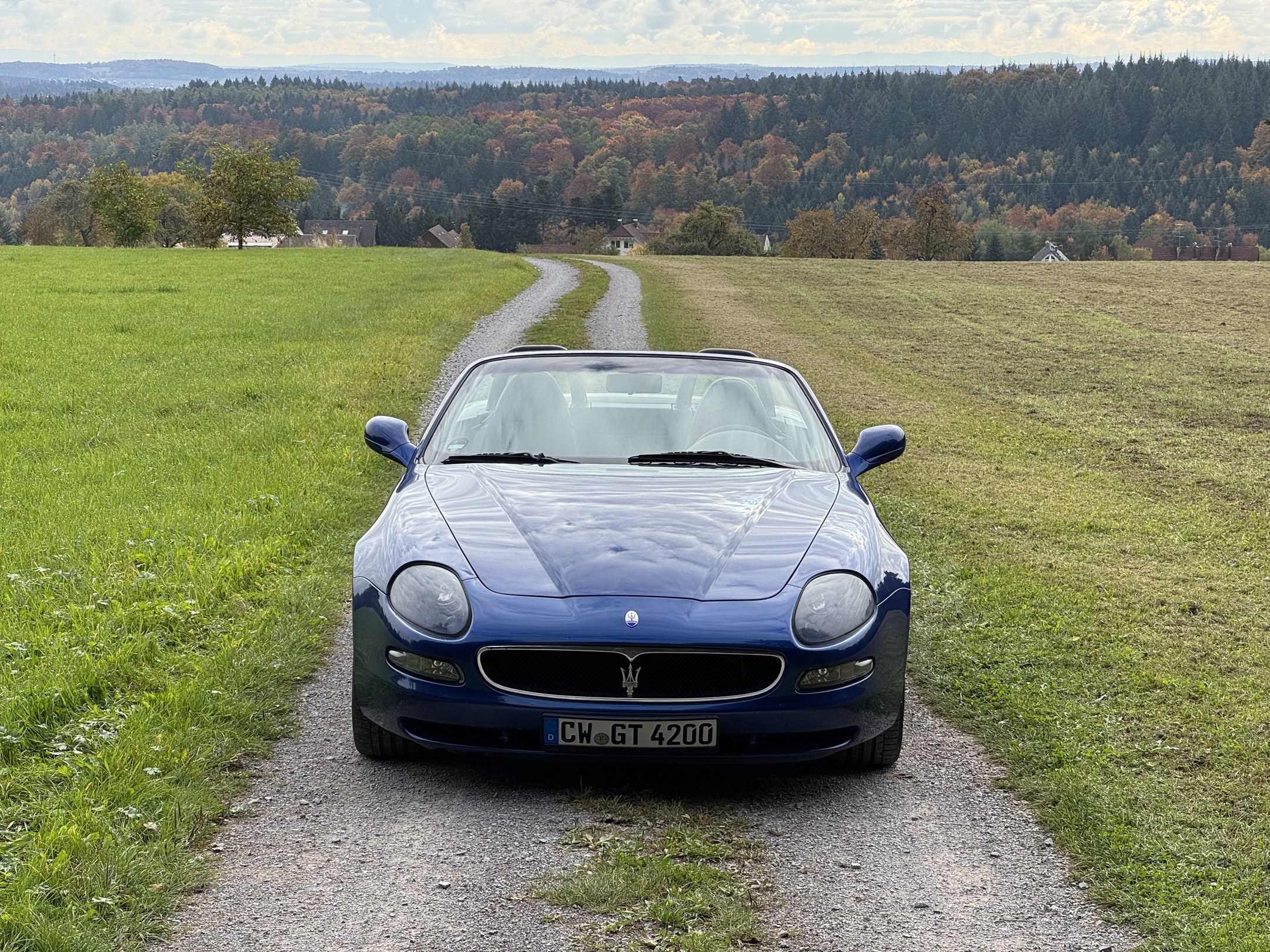
The project represented ambitious vision: create an open-air grand tourer capable of genuine international competition while maintaining the refined character that defined Maserati’s identity. Designer Giorgetto Giugiaro at Italdesign created proportions that would define the platform throughout its production cycle, establishing visual distinctiveness immediately recognizable as Italian engineering.
Design and Engineering
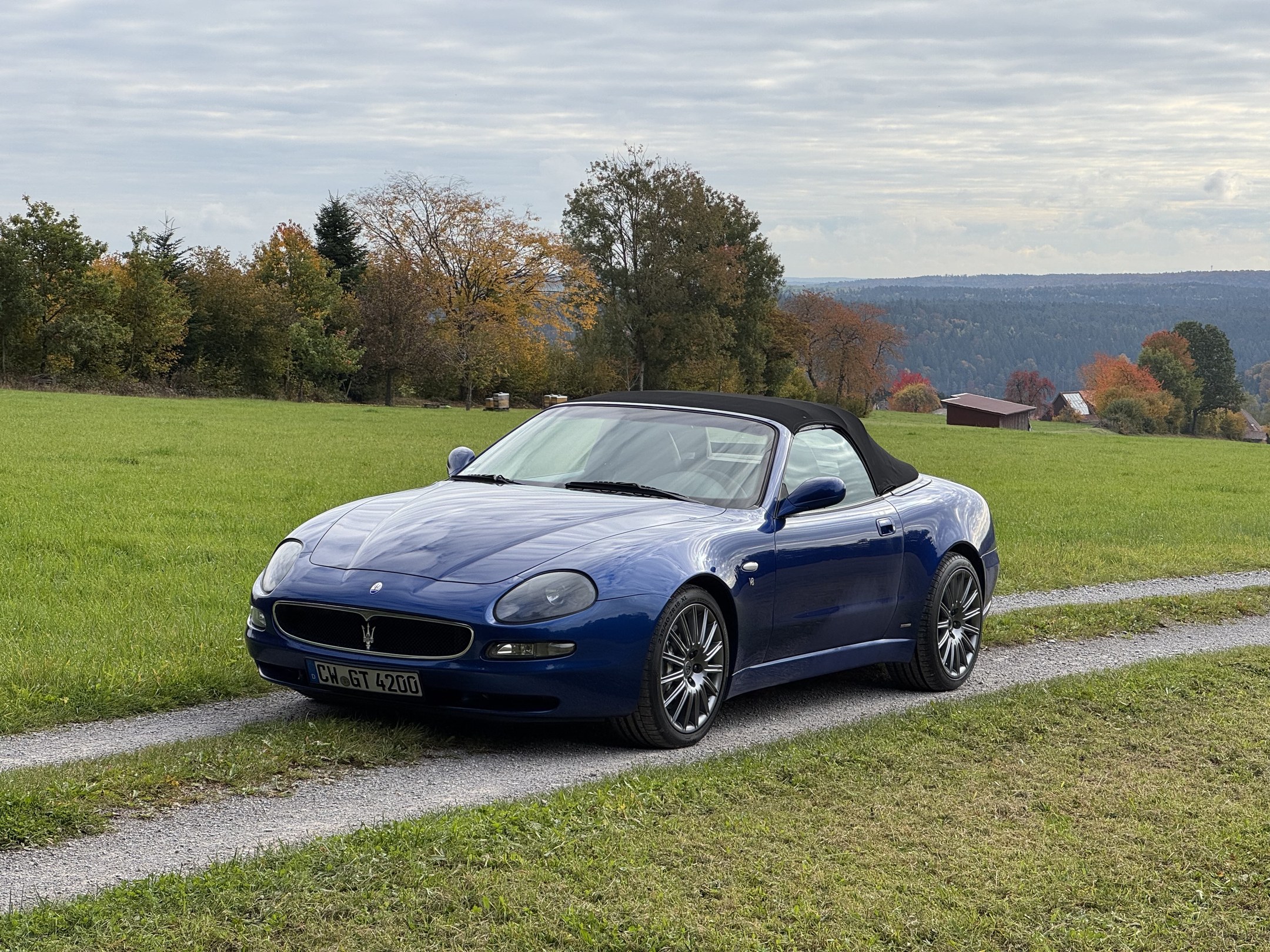
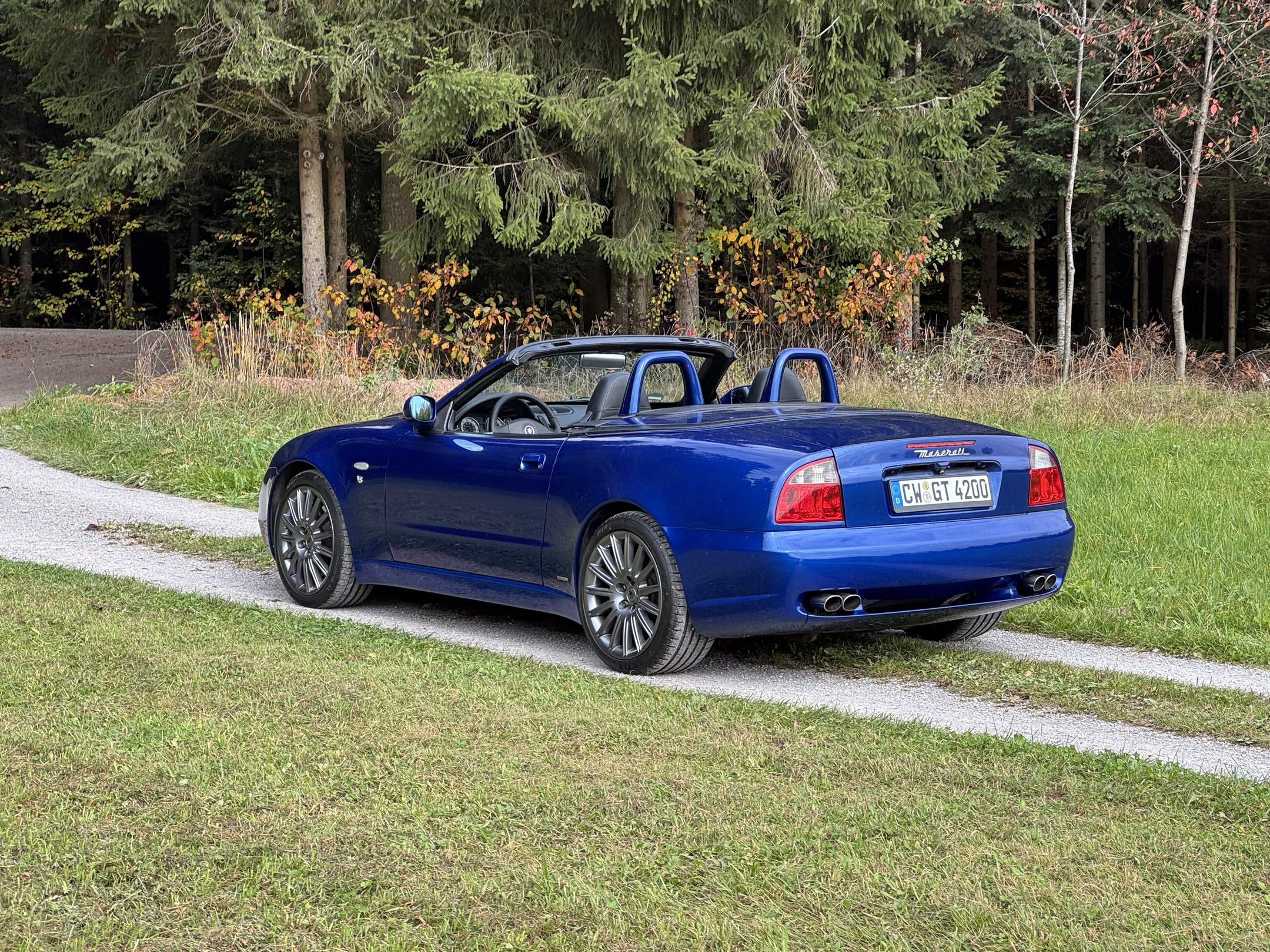
Giorgetto Giugiaro’s elegant proportions emphasized timeless design philosophy establishing the Spyder as visually sophisticated throughout production. The flowing lines, horizontal emphasis, and refined proportion suggested that performance required no theatrical styling drama. The electro-hydraulic soft top could deploy or retract in approximately 28 seconds, providing practical weather protection while maintaining the open-air driving experience.
The chassis employed independent double-wishbone suspension front and rear with coil springs and sophisticated dampers, the geometry optimized for responsive handling while maintaining the refinement expected from a grand tourer. Anti-roll bars provided cornering control without excessive harshness. Braking was by ventilated discs with four-piston calipers, providing powerful stopping power adequate for the engine’s acceleration. Rack-and-pinion steering provided direct feedback and engaging control characteristics.
The naturally aspirated F136 R V8 represented Ferrari-Maserati collaborative engineering, with 4,244 cubic centimeters displacing power through dual overhead camshafts controlling four valves per cylinder—32 total valves. The cross-plane forged steel crankshaft architecture established distinctive mechanical character. With 11.1:1 compression ratio and sophisticated fuel injection management, output reached 390 PS (385 horsepower) at 7,000 rpm and 333 lb-ft of torque at 4,500 rpm.
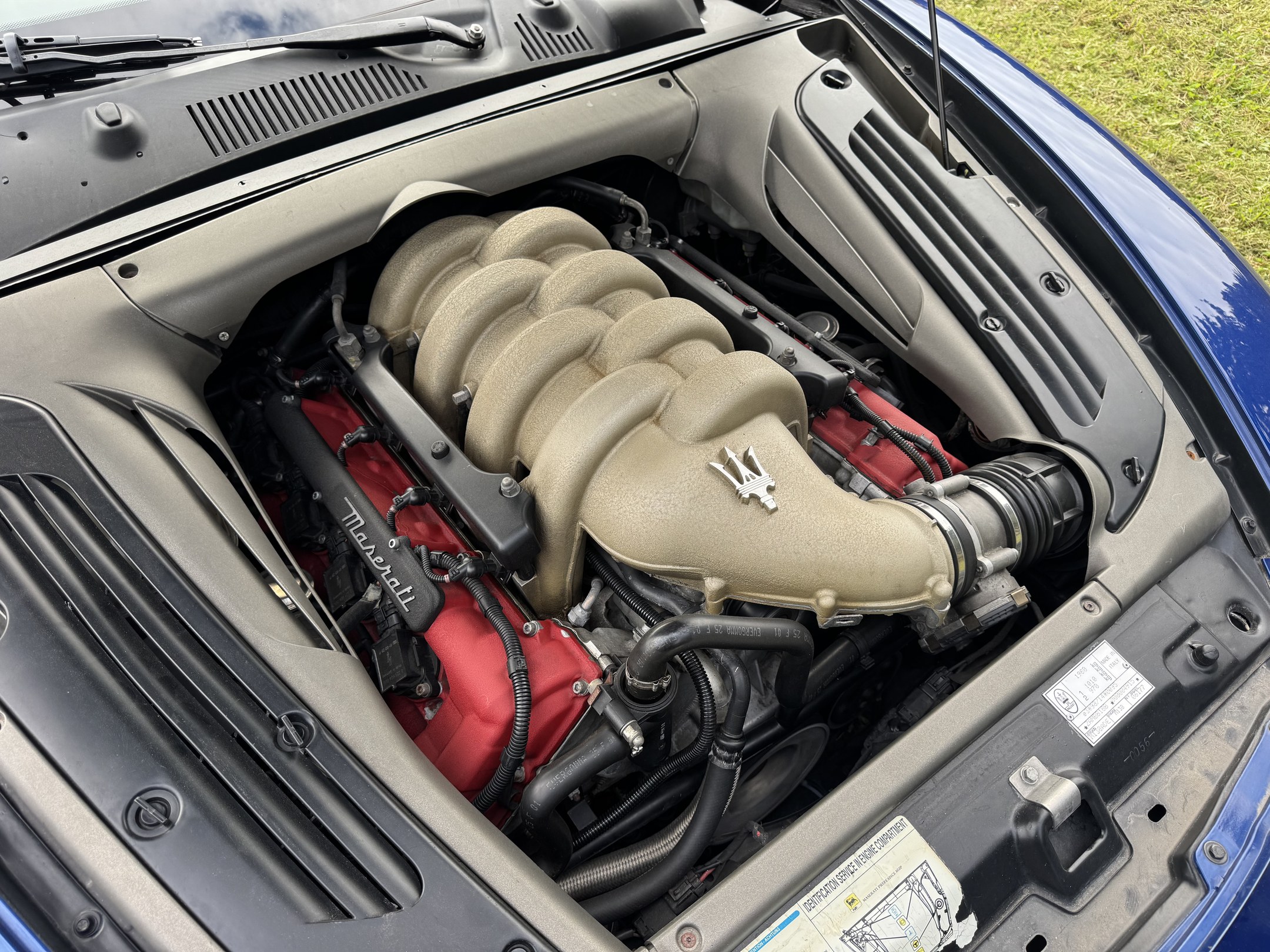
The power delivery emphasized high-revving character, requiring disciplined driving technique through the six-speed manual transmission or available six-speed Cambiocorsa semi-automatic transmission with paddle shifters to exploit full performance potential. The limited-slip differential managed torque distribution effectively during acceleration and cornering. This emphasis on mechanical directness reflected Maserati philosophy celebrating driver connection over technological intervention.
Weight management achieved through aluminum and composite construction established the Spyder at approximately 1,720 to 1,730 kilograms curb weight (3,792-3,814 lbs), establishing a power-to-weight ratio demonstrating competitiveness with contemporary high-performance alternatives. Acceleration from 0-60 mph required approximately 4.9 seconds, with top speed reaching 172 mph—remarkable achievement for naturally aspirated configuration maintaining practical grand touring character.
Styling
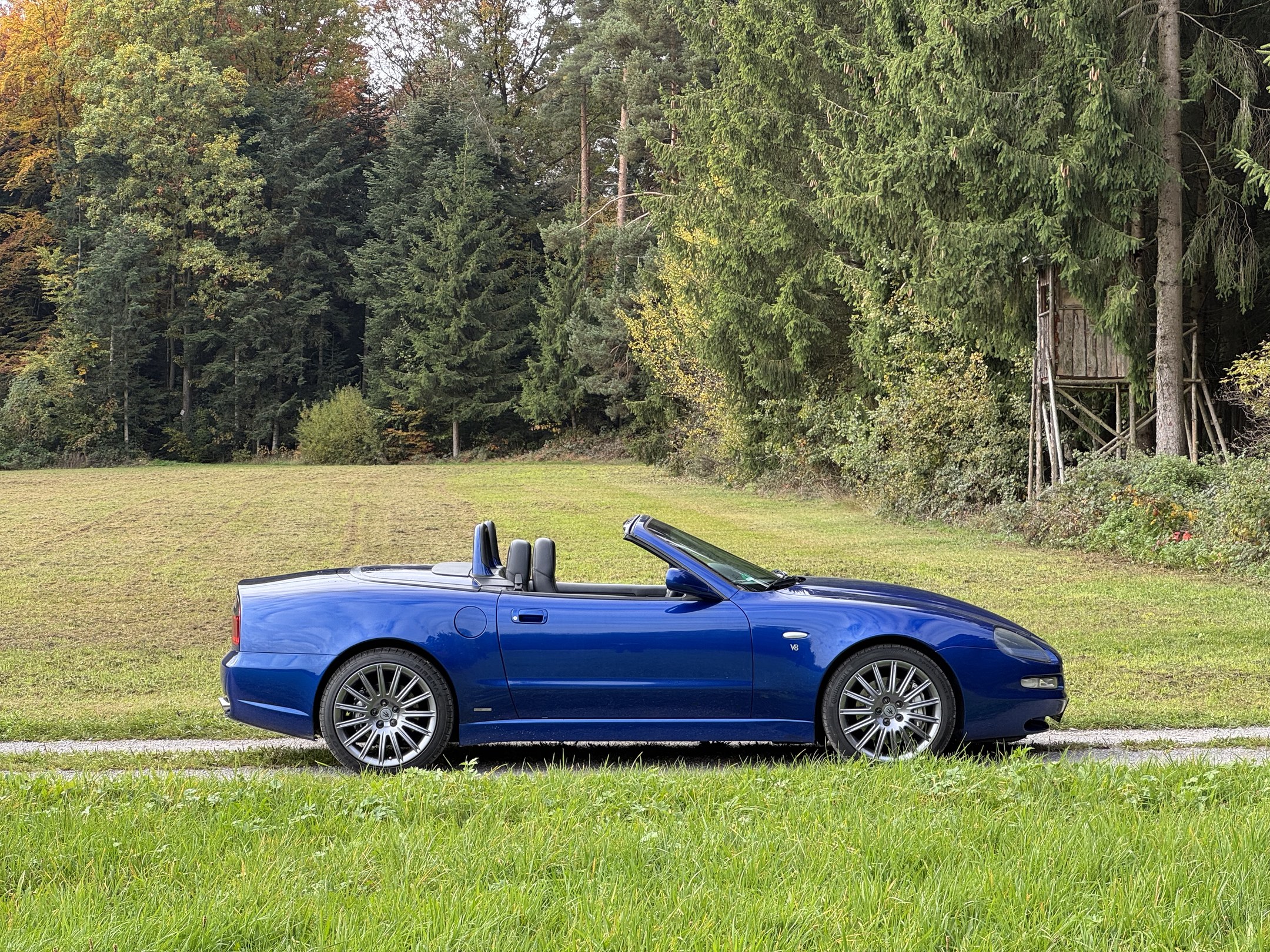
Giorgetto Giugiaro’s design created proportions that have aged gracefully, establishing visual appeal extending across the production run. The horizontal hood, elegant proportions, and minimalist design language suggested performance without theatrical embellishment. The electro-hydraulic soft top maintained visual elegance whether deployed or stowed, providing weather protection without compromising the convertible’s fundamental character.
Most examples were finished in traditional Italian colors: Rosso Corsa red celebrating racing heritage, elegant blacks and silvers reflecting understated performance philosophy, or sophisticated blues and greens expressing Maserati’s characteristic refinement.
Interior
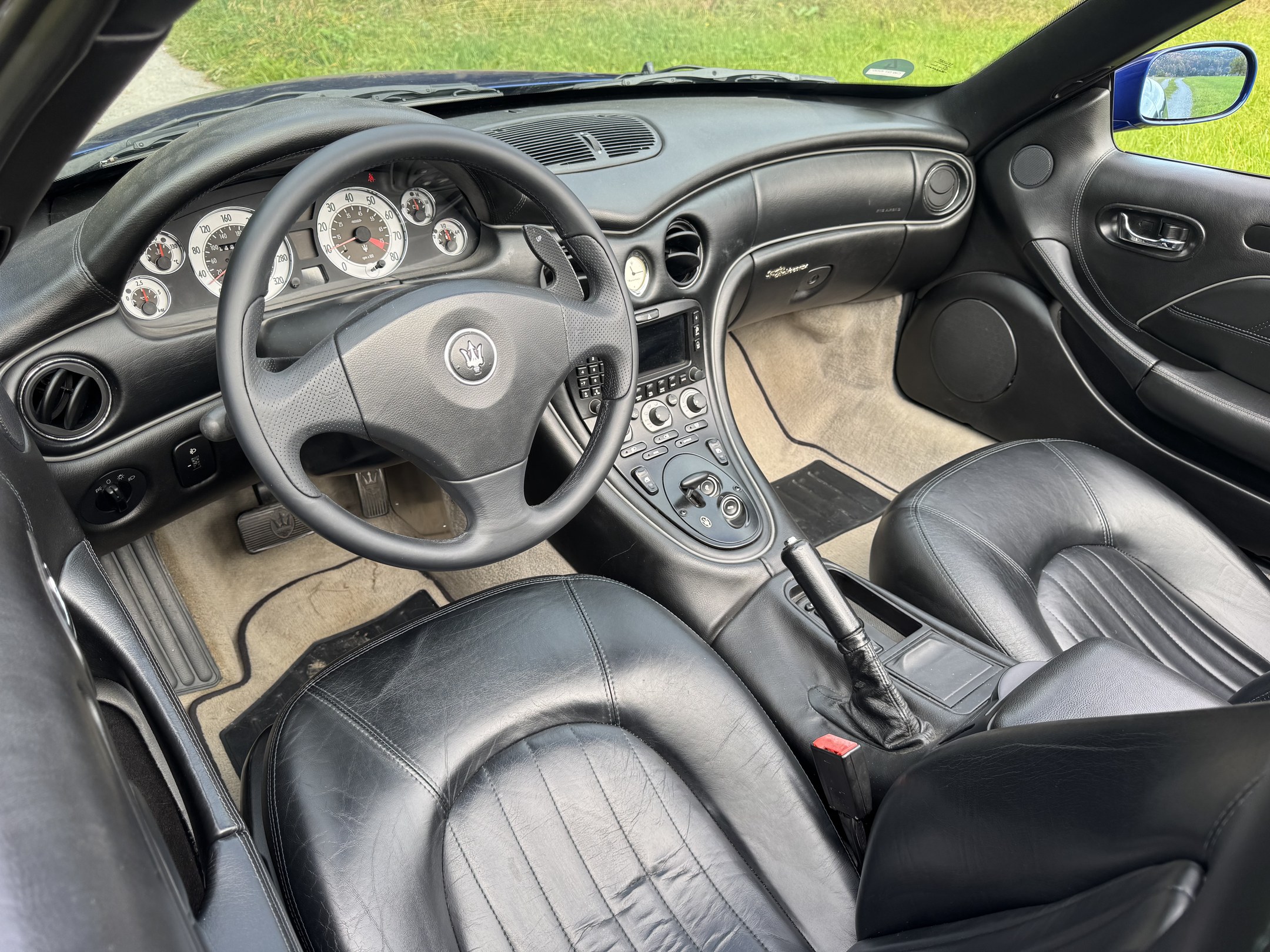
The cabin emphasized driver engagement combined with luxury appointments reflecting Maserati’s quality standards. High-quality leather seating provided excellent support during spirited driving while maintaining comfort for extended grand touring journeys. The driving position was commanding and well-balanced, with all controls falling naturally to hand. Comprehensive instrumentation displayed essential engine parameters including tachometer, fuel consumption monitoring, and performance metrics.
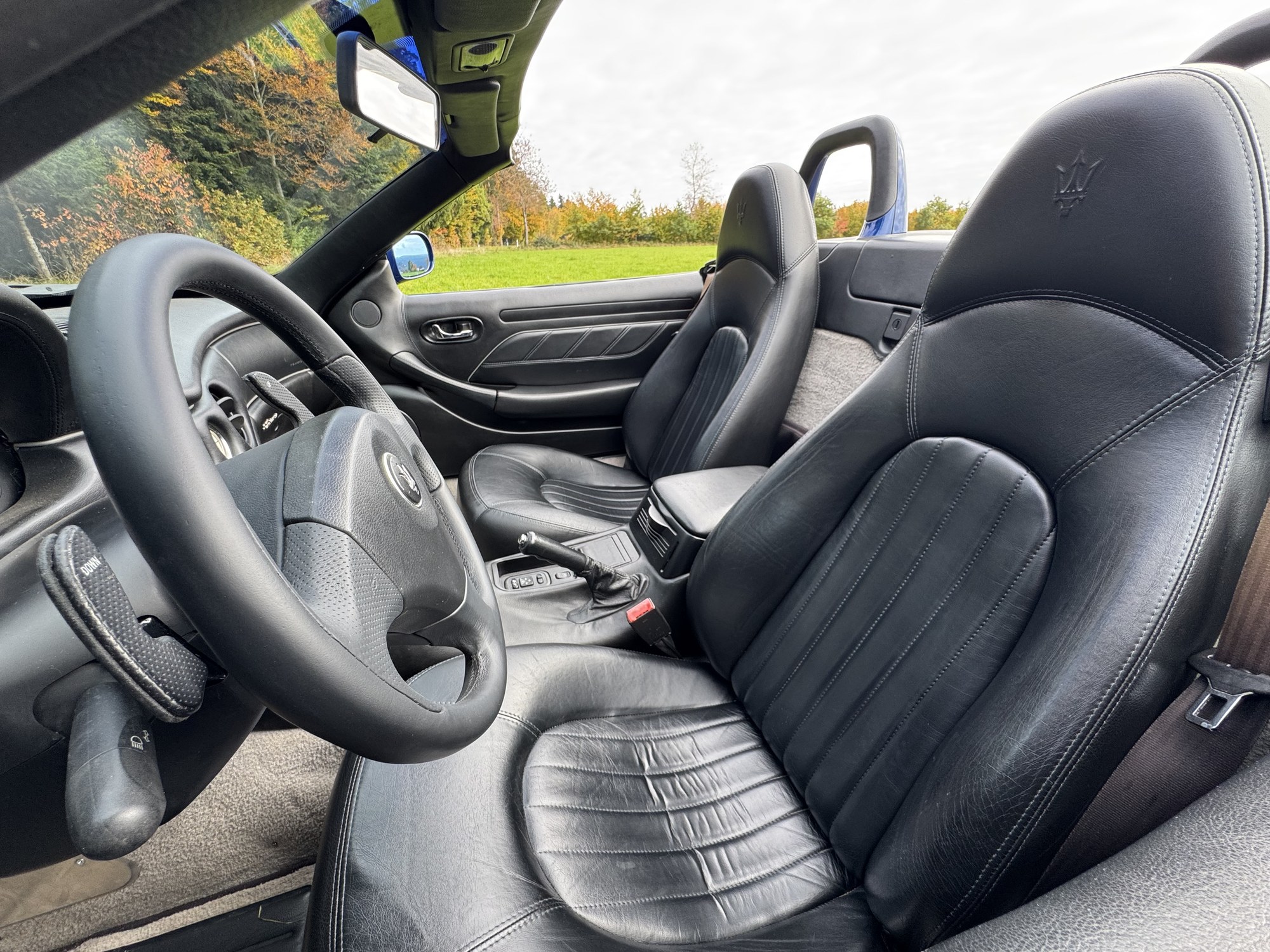
Standard equipment included functional climate control, quality audio systems, and sophisticated trim materials reflecting contemporary luxury standards. The overall atmosphere balanced performance-focused engineering with genuine automotive refinement.
Specifications
- Engine: Ferrari-Maserati F136 R naturally aspirated V8, 4,244cc, DOHC per bank, four valves per cylinder
- Power: 390 PS / 385 hp at 7,000 rpm
- Torque: 333 lb-ft / 451 N·m at 4,500 rpm
- Transmission: Six-speed manual or six-speed Cambiocorsa semi-automatic with paddle shifters, rear-wheel drive
- Chassis: Aluminum and steel construction, 2,440mm wheelbase
- Suspension: Independent double wishbones (front and rear), coil springs
- Brakes: Ventilated discs, four-piston calipers, power-assisted hydraulic system
- Wheels: 18-inch alloy, performance tires
- Weight: Approximately 1,720-1,730 kg curb weight / 3,792-3,814 lbs
- Performance: 172 mph / 277 km/h top speed, 0-60 mph in approximately 4.9 seconds
Production and Legacy
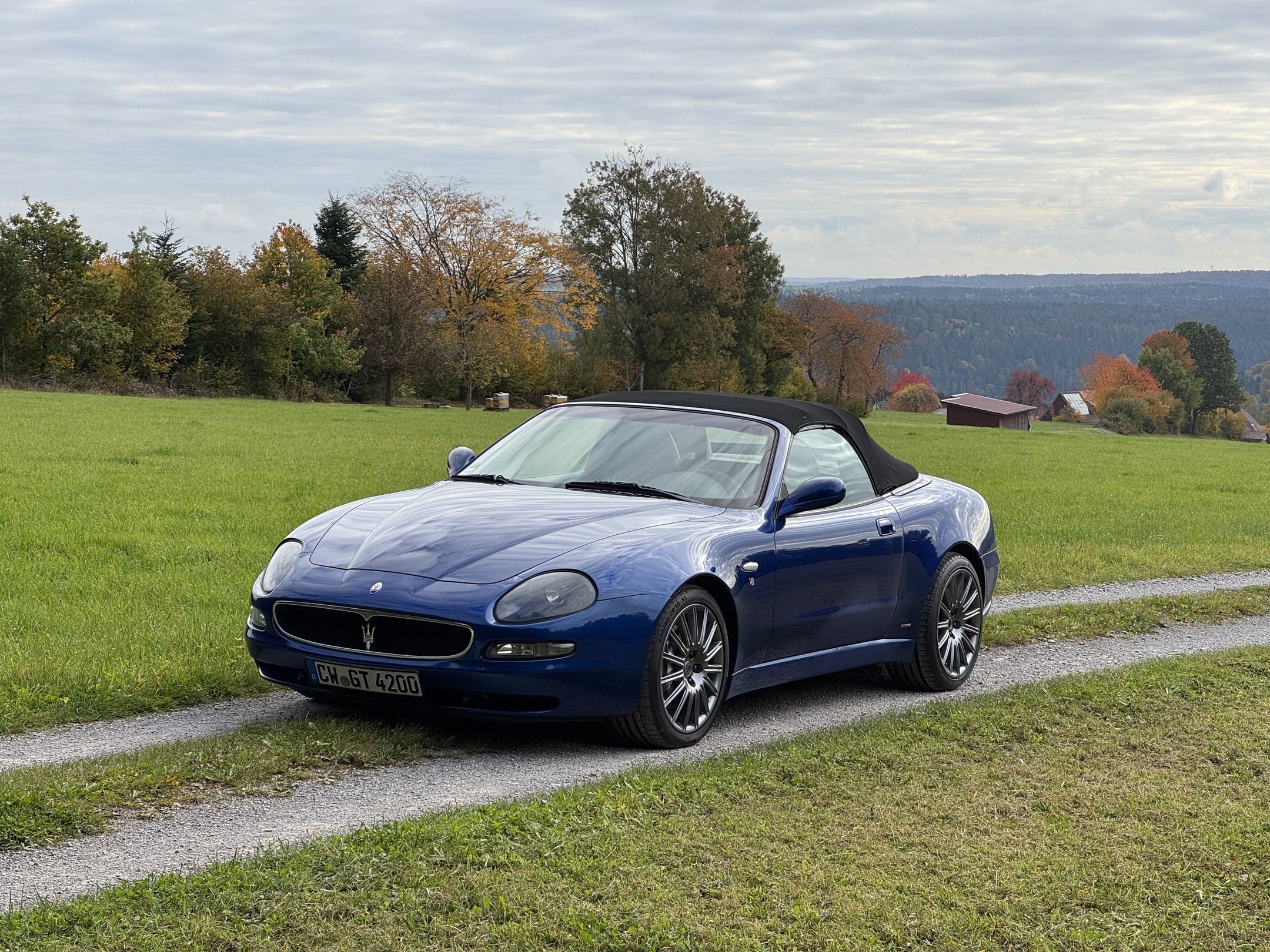
Maserati hand-assembled 2,658 examples of the Spyder at Modena facilities between 2001 and 2007. Production ran alongside the fixed-head Coupe variant introduced in 2002, with both sharing the same engine and chassis architecture. Each car received meticulous assembly reflecting Maserati’s manufacturing standards and individual optimization. The extended production run reflected sustained customer demand for Italian grand touring credentials combined with naturally aspirated performance.
The Spyder proved that naturally aspirated engineering combined with sophisticated design could establish genuine performance credentials within practical grand touring parameters. The combination of high-revving character, mechanical refinement, and elegant proportions established lasting appeal extending far beyond conventional performance car enthusiasts.
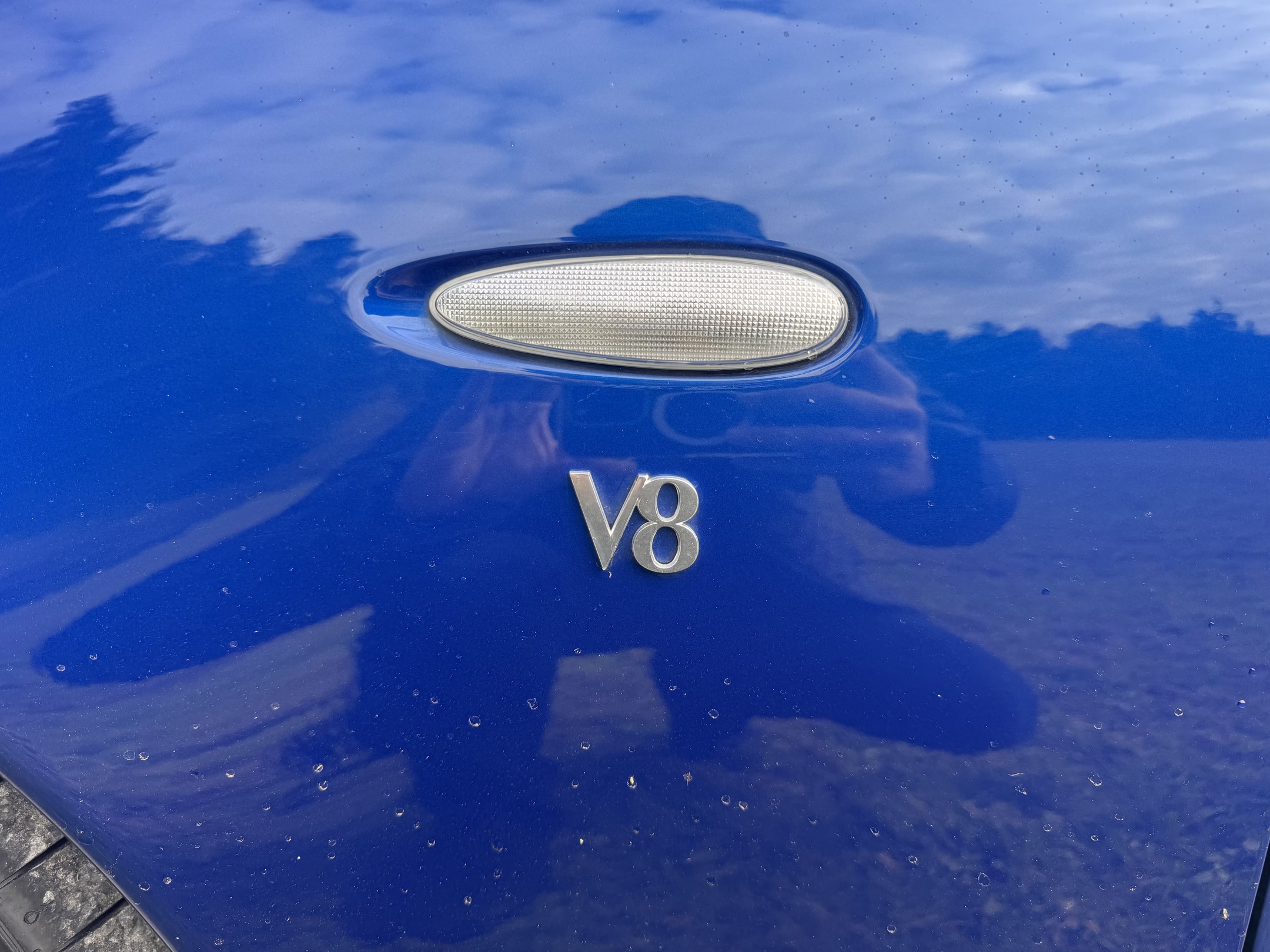
Today, Spyder examples command strong collector appreciation reflecting their legendary status and engineering achievement. The combination of naturally aspirated performance, Italian design heritage, and practical grand touring character ensures lasting appeal among serious enthusiasts.
The Maserati Spyder represented Modena at its most accomplished, proving that engineering excellence and refined design could create something enduring. It remains one of the greatest convertible grand tourers ever created, establishing an enduring legacy within Italian automotive performance.