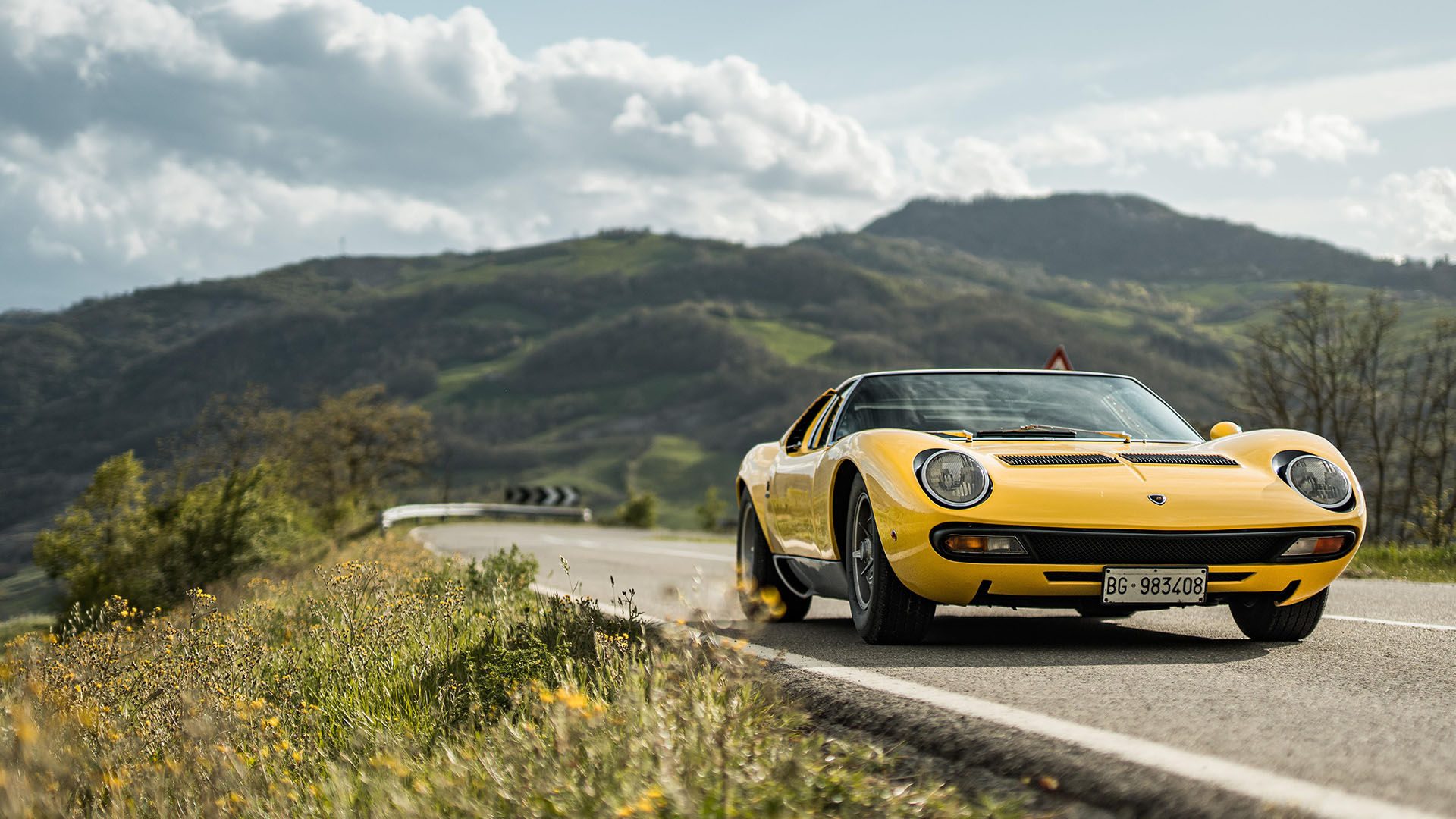

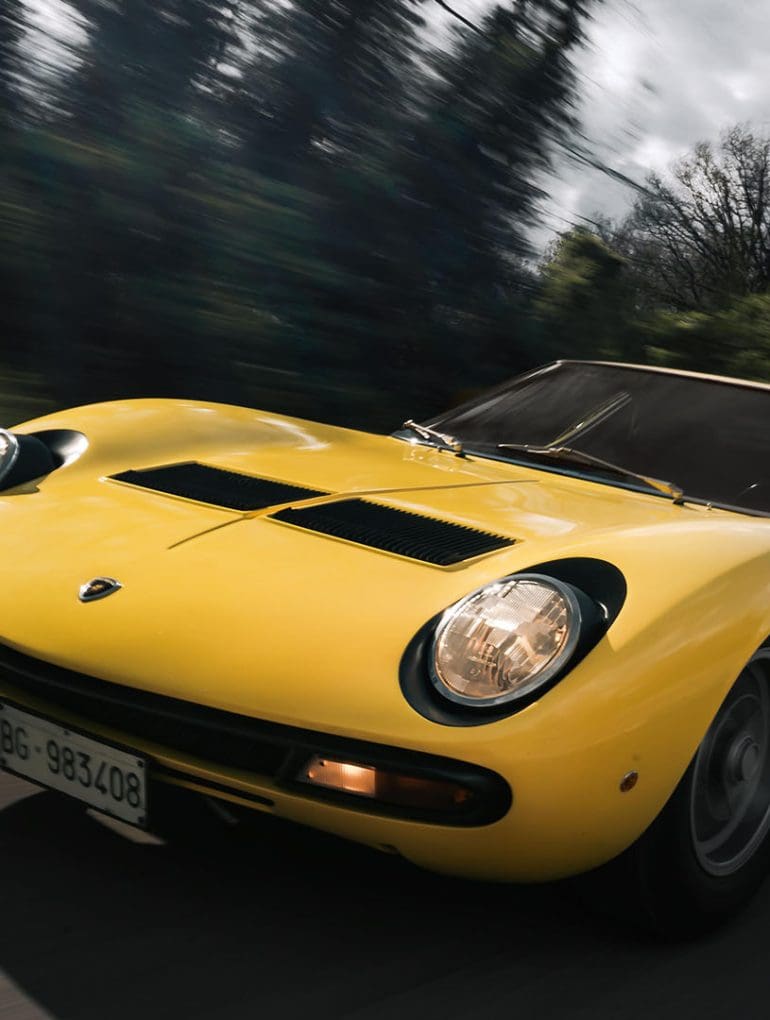
The Lamborghini Miura SV turns 55 this year, marking the anniversary of one of the most important cars in the history of the supercar. Introduced in 1971, the Miura SV wasn’t just the final evolution of the groundbreaking Miura, it was the model that introduced the Super Veloce (SV) badge, a name that has since become synonymous with Lamborghini’s most extreme, track-focused V12 machines.
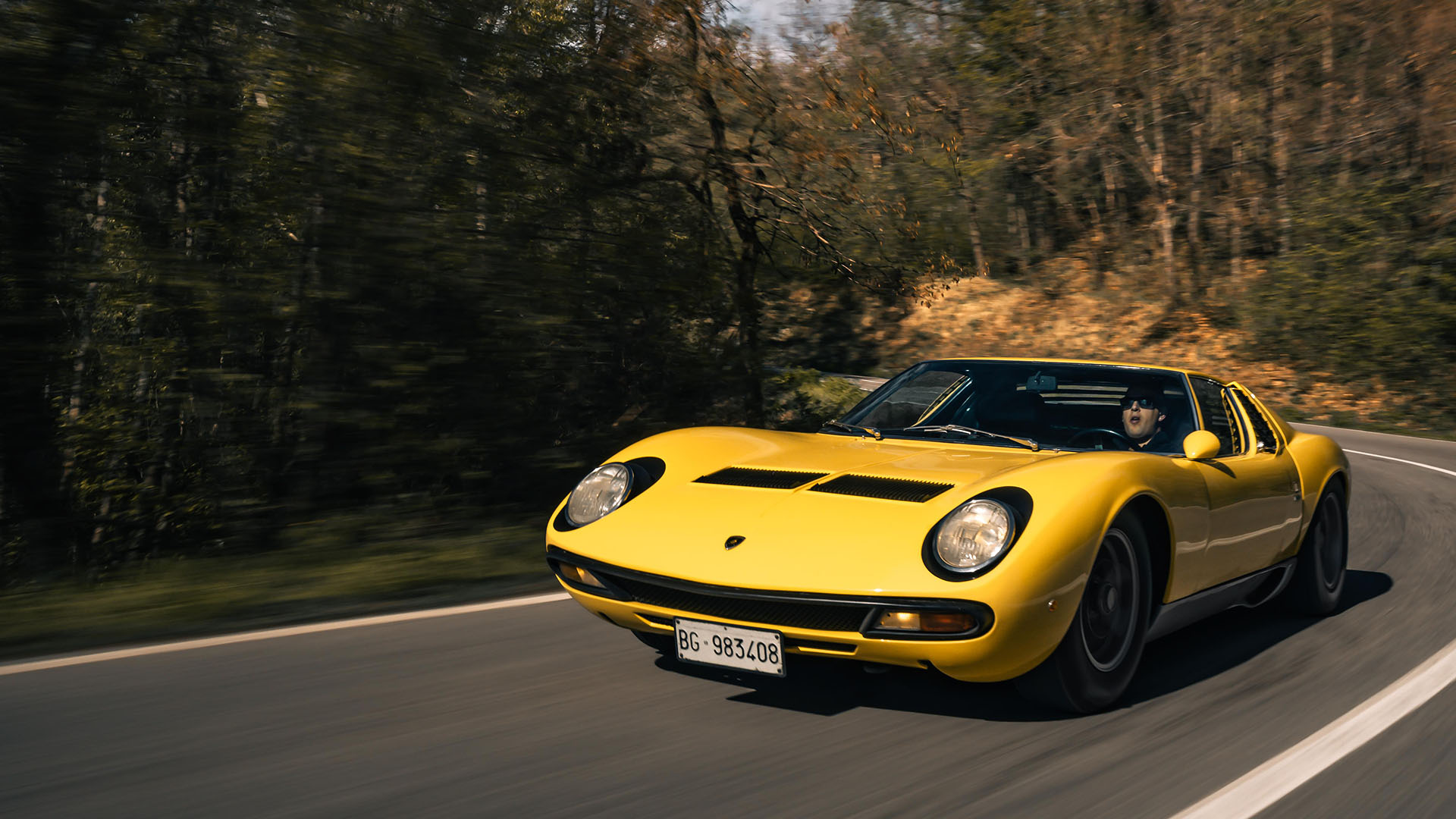
Building on the revolutionary Miura P400 and the more refined Miura S, the SV represented the ultimate expression of Lamborghini’s original mid-engine masterpiece. By the early 1970s, the Italian automaker had gathered valuable feedback from customers and test drivers, using it to transform an already iconic supercar into a faster, sharper, and more confidence-inspiring machine.
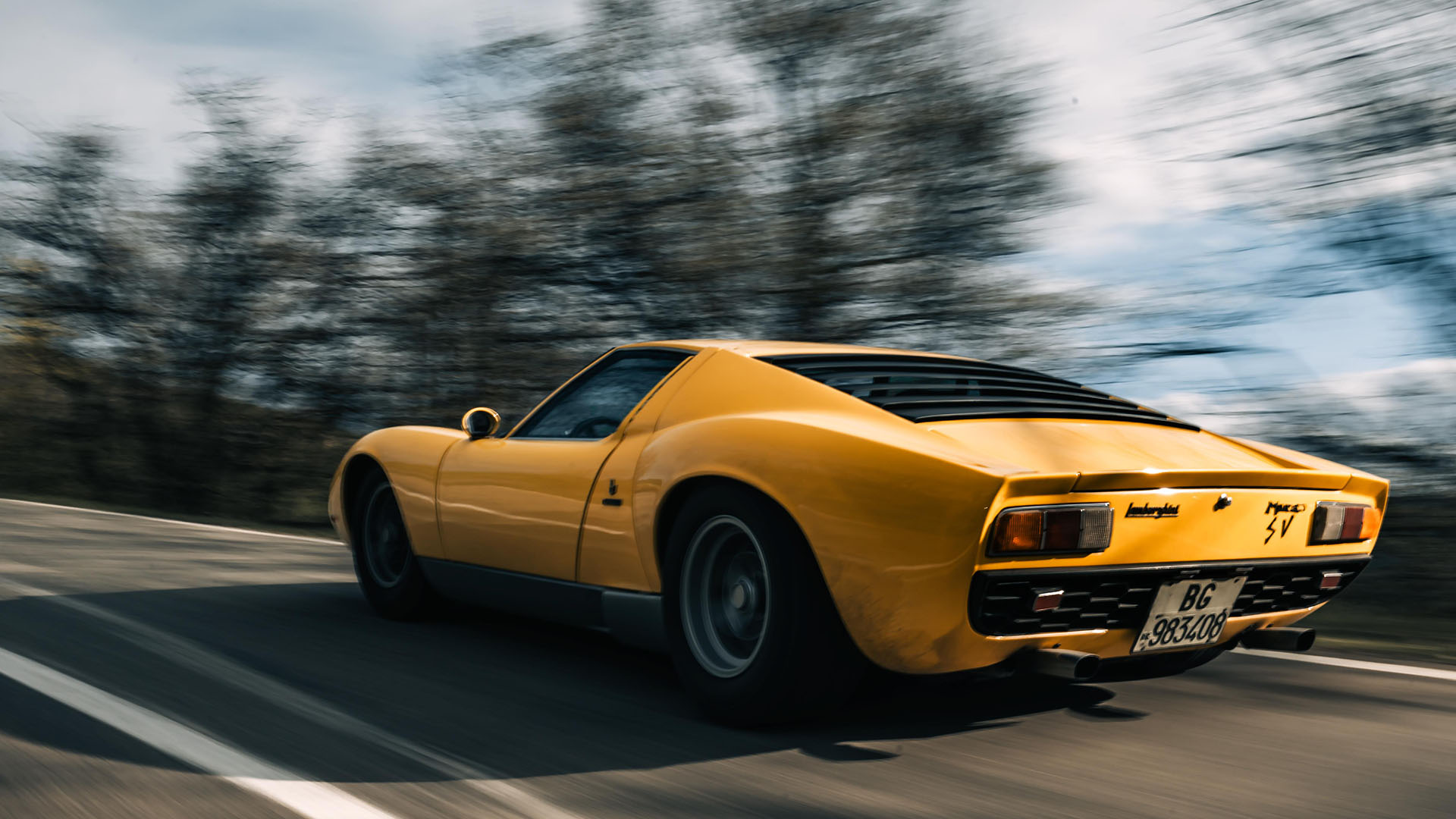
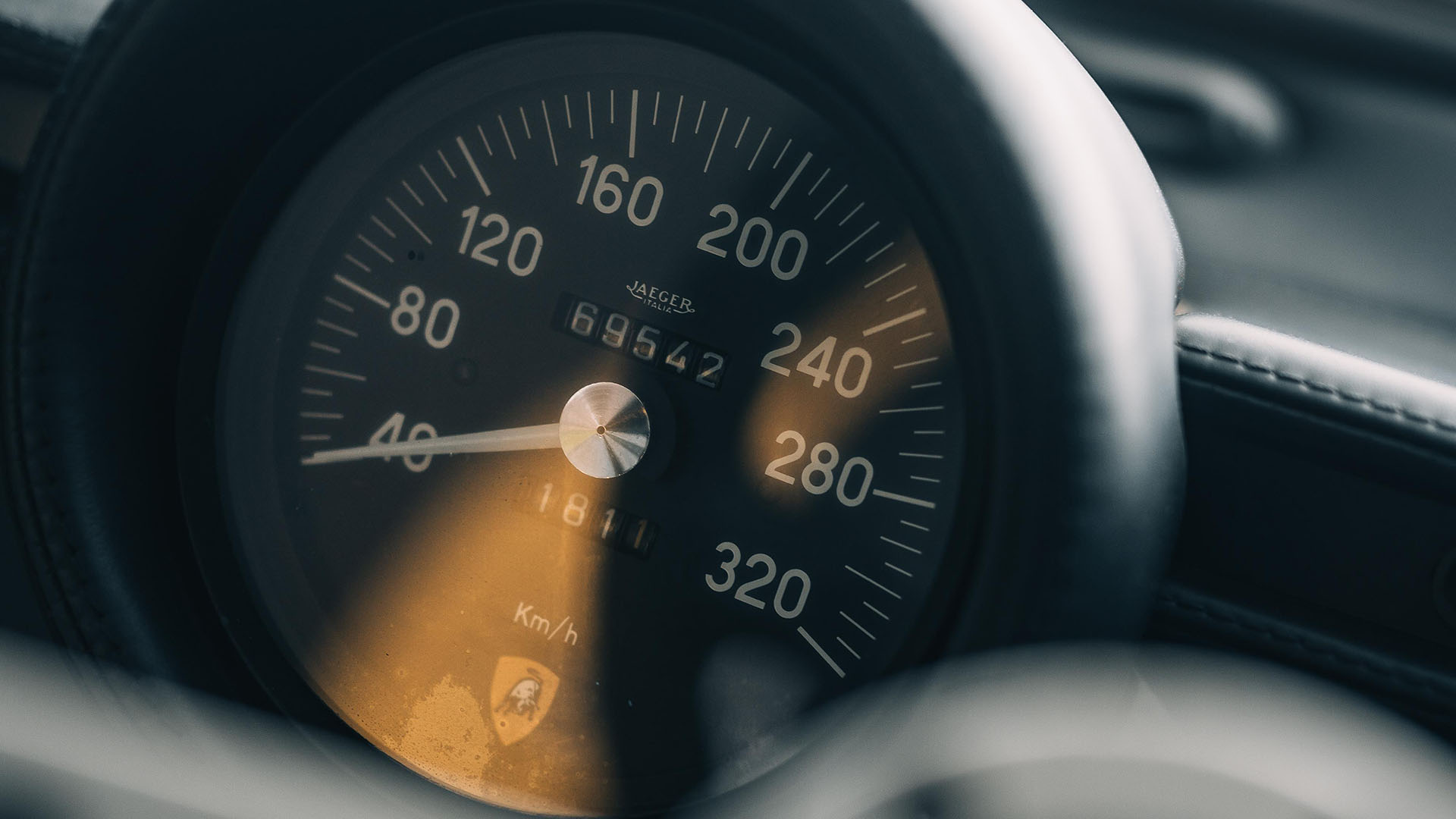
Power still came from the Miura’s legendary transversely mounted 3.9-liter V12, but engineers extracted 385 horsepower and 388 Nm of torque, enough to launch the SV from 0 to 100 km/h in under 5.5 seconds before reaching a top speed of more than 290 km/h. Those numbers placed it among the fastest production cars in the world at the time.
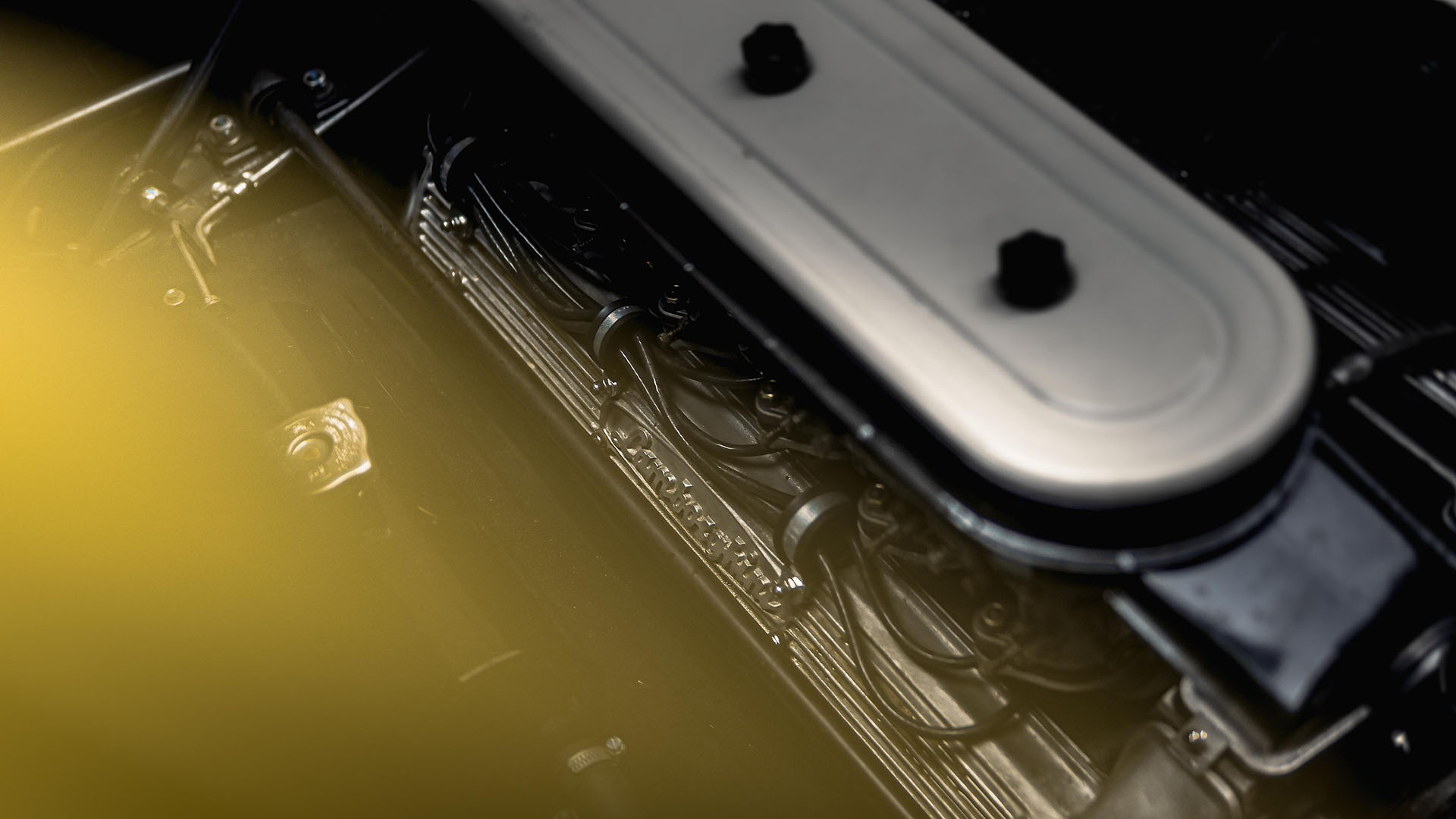
The biggest improvements, however, happened beneath the bodywork. One of the Miura SV’s most significant engineering upgrades was the separation of the engine and gearbox lubrication systems, introduced in the autumn of 1971. Earlier Miuras (the first 52 units of the SV) shared a common oil supply, but the new design dramatically improved durability and reliability while showcasing Lamborghini’s growing engineering expertise on the final 96 or so Miura SV.
The chassis also received a major overhaul. A wider rear track, revised suspension geometry, increased chassis rigidity, and ventilated disc brakes transformed the Miura’s handling, delivering greater stability at high speeds and more precise driver feedback without sacrificing ride comfort.
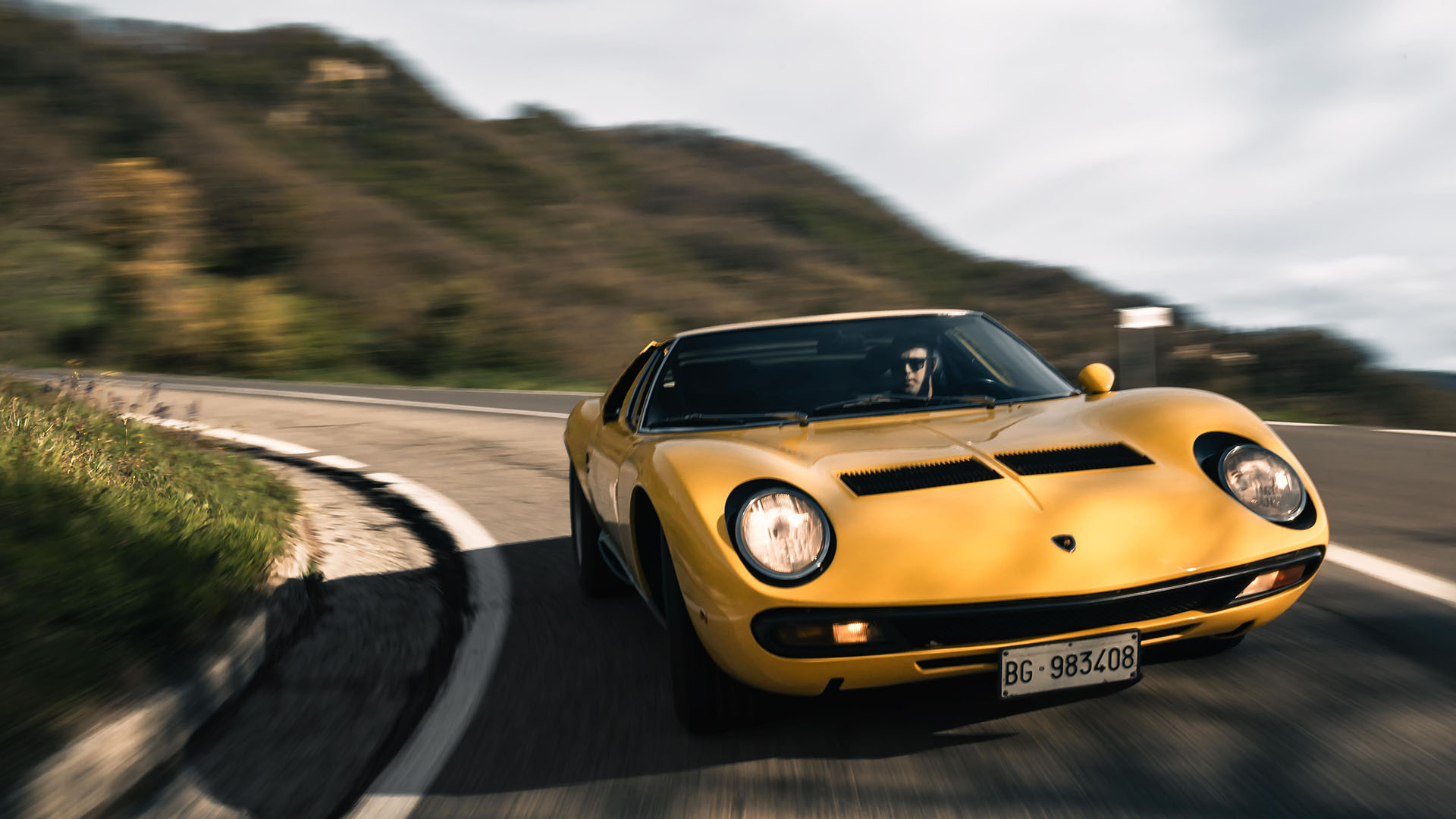
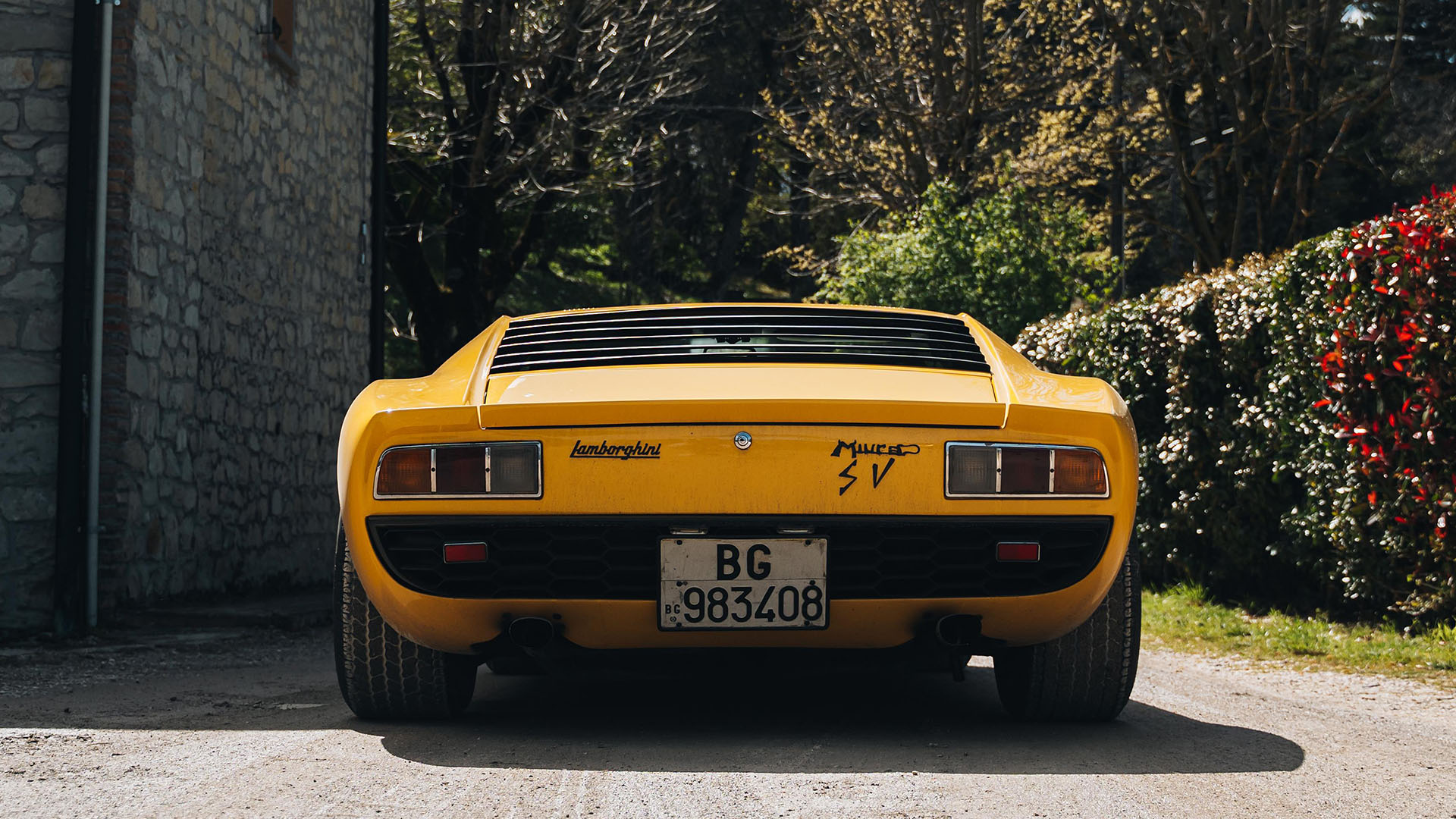
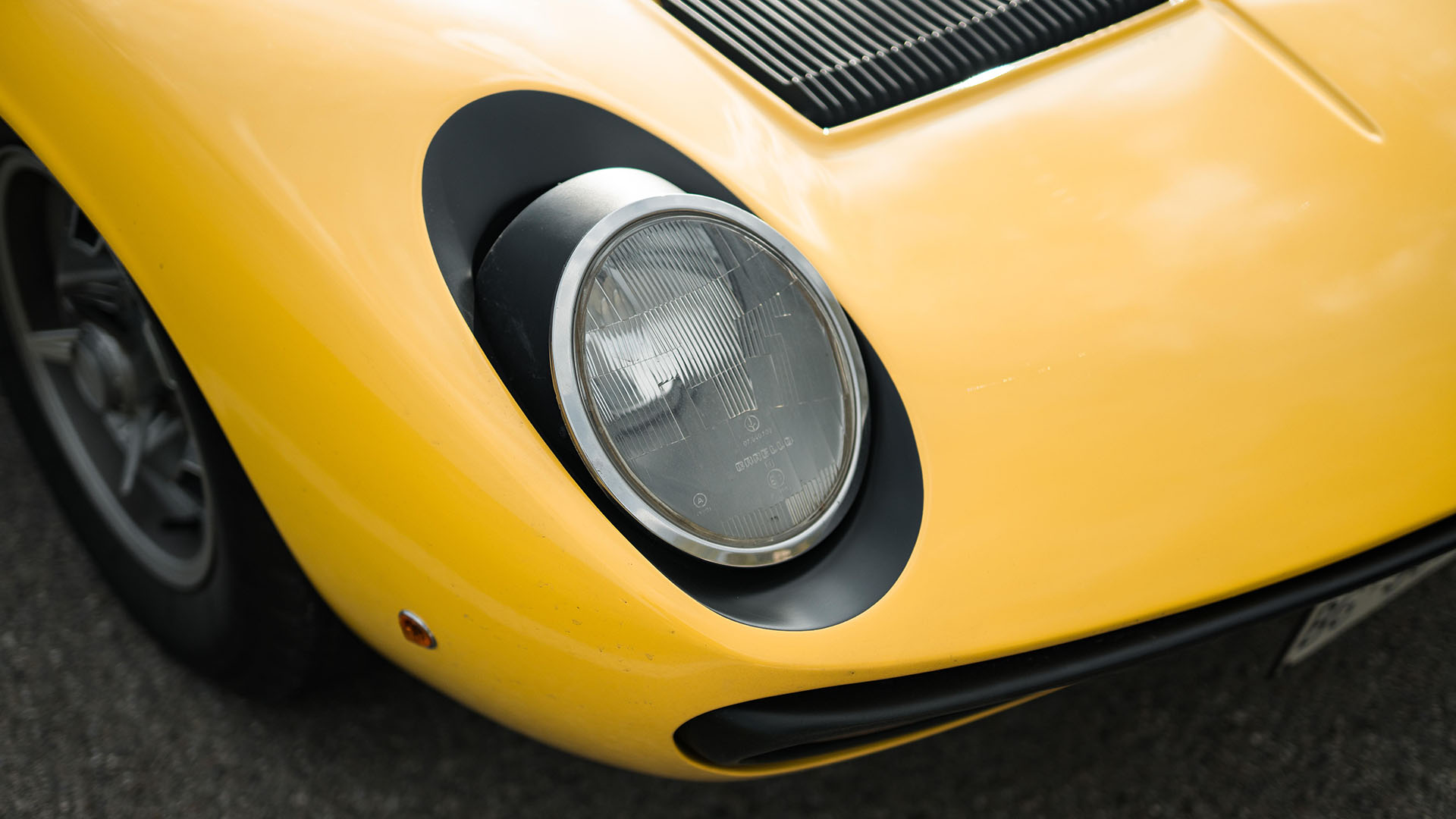
Visually, the Miura SV remained unmistakably elegant while introducing several defining changes. The famous “eyelashes” surrounding the headlights disappeared for a cleaner front-end design, while dramatically wider rear fenders accommodated larger tires and hinted at the car’s increased performance, do note that Ferruccio’s own Miura SV that’s on display in the family museum is a Miura SV that still has those eyelashes.
“With the Miura SV, Lamborghini brought the evolution of the Miura to its ultimate expression and introduced a designation that would become an integral part of the brand’s DNA,” said Stephan Winkelmann, Chairman and CEO of Automobili Lamborghini. “Super Veloce has always represented the purest interpretation of Lamborghini performance: increased driving emotion, enhanced dynamic capabilities, and a distinctive character.”
Production of the Miura SV (back in the Seventies, the SV actually stood for Spinto Veloce, not Super Veloce) continued until 1973, but its impact extended far beyond its short production run. It established the blueprint for every Lamborghini to wear the SV badge, including the Diablo SV (where the SV stood for Sport Veloce), Murciélago LP670-4 SV (the first official Super Veloce), Aventador SV, and Aventador SVJ.
Fifty-five years later, the Miura SV remains more than one of Lamborghini’s greatest classics. It is the car that defined Super Veloce, a philosophy of uncompromising performance that continues to shape the brand’s most exhilarating V12 supercars.