
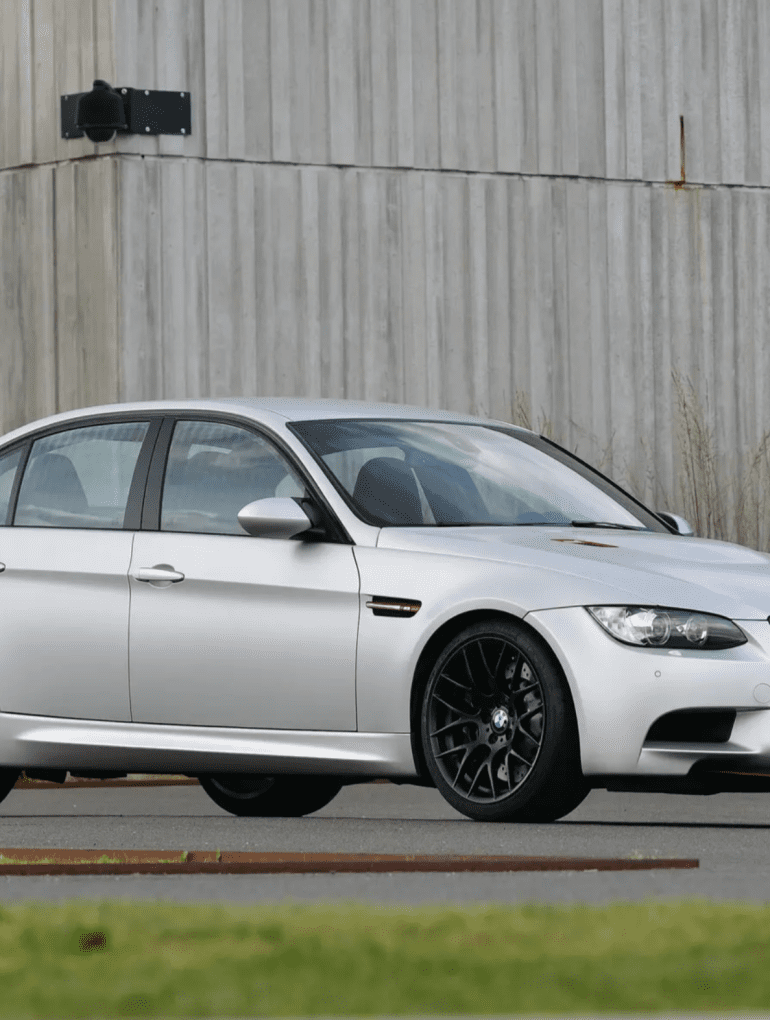

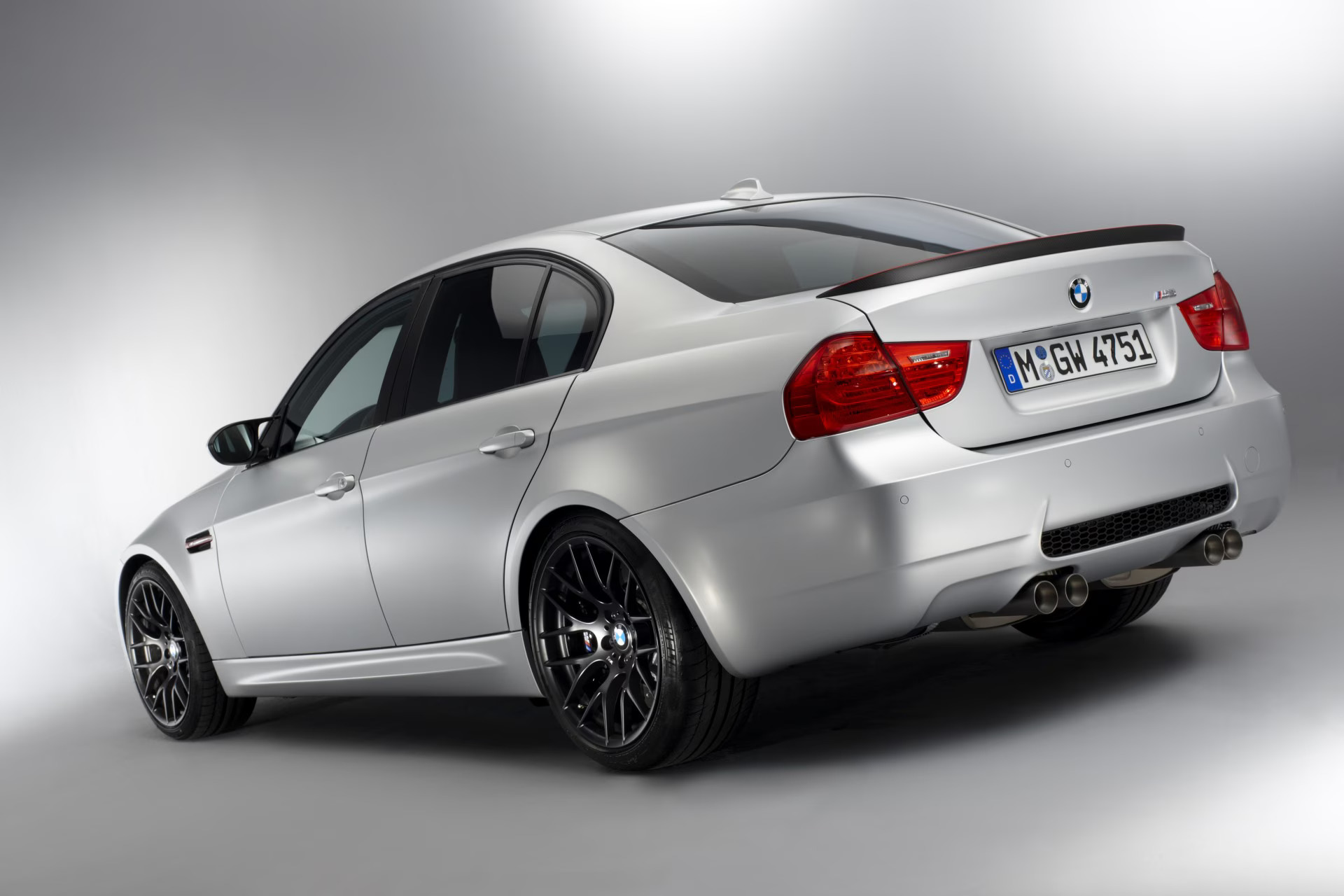
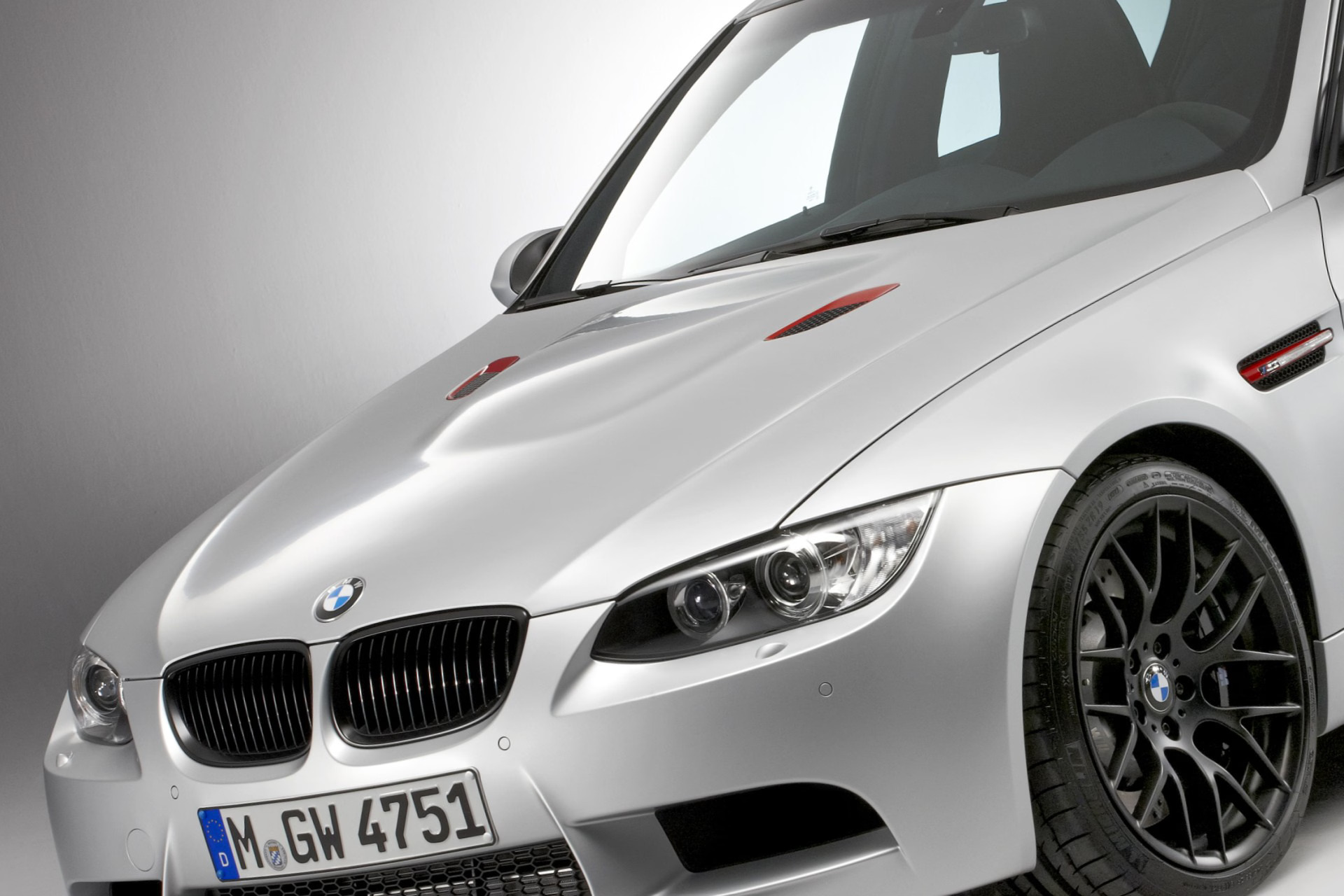
Frankfurt, June 2011. BMW unveiled the M3 CRT at the Nurburgring 24 Hour race weekend, a remarkable limiting-run special edition combining lightweight carbon construction with a 4.4-liter naturally aspirated V8. The “CRT” designation stood for Carbon Racing Technology, signaling BMW’s commitment to advanced materials for future models. Based on the E90 four-door sedan rather than the track-focused E92 coupe, the CRT blended everyday practicality with GTS-level performance. Carbon fiber components including the bonnet, seats, and lip spoiler saved approximately 70 kilograms compared to the standard M3. Production was limited to exactly 67 customer units, each painted in Frozen Polar Silver with Melbourne Red accents on the vents and side gills. This was BMW’s most radical M3 special edition, a carbon-intensive experiment that proved limited-run exclusivity could drive desirability as effectively as raw horsepower.
Background and Origins
The E90 M3 debuted in 2008, establishing itself as one of the most complete high-performance sedans ever built. With 414 horsepower from a 4.0-liter V8, the E90 M3 competed effectively against Mercedes-AMG’s C63 and Audi’s RS4. In 2009, BMW introduced the E92 M3 GTS coupe, a hardcore track-focused variant. However, sedan buyers wanted access to GTS-level performance with the practicality of four doors.
Development of the CRT began in 2010 under BMW’s M Division. The brief was ambitious: create the ultimate E90 M3 by combining GTS chassis engineering with advanced carbon construction. The CRT was unveiled in production-ready trim at the BMW M night during the Nurburgring 24 Hour race weekend in June 2011.
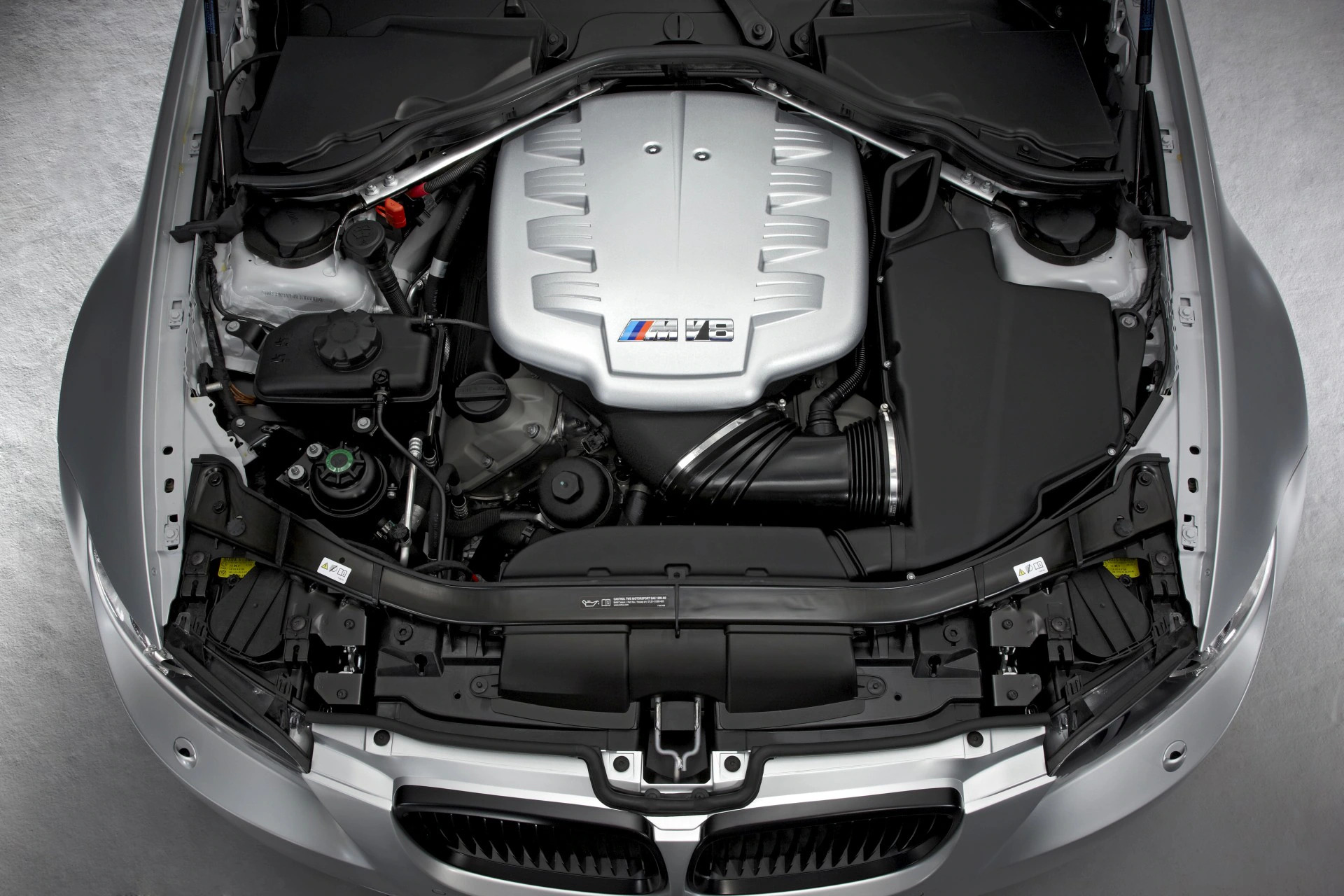
The engine was enlarged from 4.0 to 4.4 liters, with revised internals and intake systems. Output increased to 444 horsepower at 8,300 rpm and 325 lb-ft of torque at 3,750 rpm. The power delivery emphasized high-revving character rather than low-end grunt, encouraging aggressive driving styles.
Design and Engineering
The CRT was based on the standard E90 M3’s steel monocoque with a 2,760mm wheelbase. Partially completed body-in-whites were dispatched from the regular M3 production line in Regensburg to the BMW Motorsport facility in Garching, approximately 120km south. This separation of final assembly from mass production allowed meticulous hand-finishing.
Suspension used unequal-length double wishbones front and rear with coil springs and Bilstein dampers. The geometry matched the GTS coupe specification, with revised spring rates and damping providing sharper response than standard M3s. Anti-roll bars front and rear controlled body roll effectively during spirited driving.
Braking was by ventilated cross-drilled discs measuring 330mm front and 370mm rear with four-piston calipers. ABS and DSC were standard, providing progressive control without sacrificing engagement.
The naturally aspirated V8 featured an enlarged 4.4-liter displacement with revised combustion chamber design and higher compression ratio. The engine was bored to 4.4 liters and developed 450 horsepower with 325 lb-ft of torque. The power delivery emphasized the 8,300 rpm redline, with peak torque arriving at 3,750 rpm.
Transmission was a seven-speed M DCT dual-clutch automatic, the same unit found in the GTS. The shifts were lightning-fast, with launch control providing optimal acceleration from standstill. A limited-slip differential transferred power to the rear wheels.
Styling
The CRT’s most distinctive feature was the exposed carbon fiber roof. The carbon roof weighed just 9.8 pounds compared to the standard roof’s 24 pounds, creating significant performance benefits through weight reduction at the chassis’s highest point. The exposed weave pattern was visible from inside and outside, serving as a technological statement.
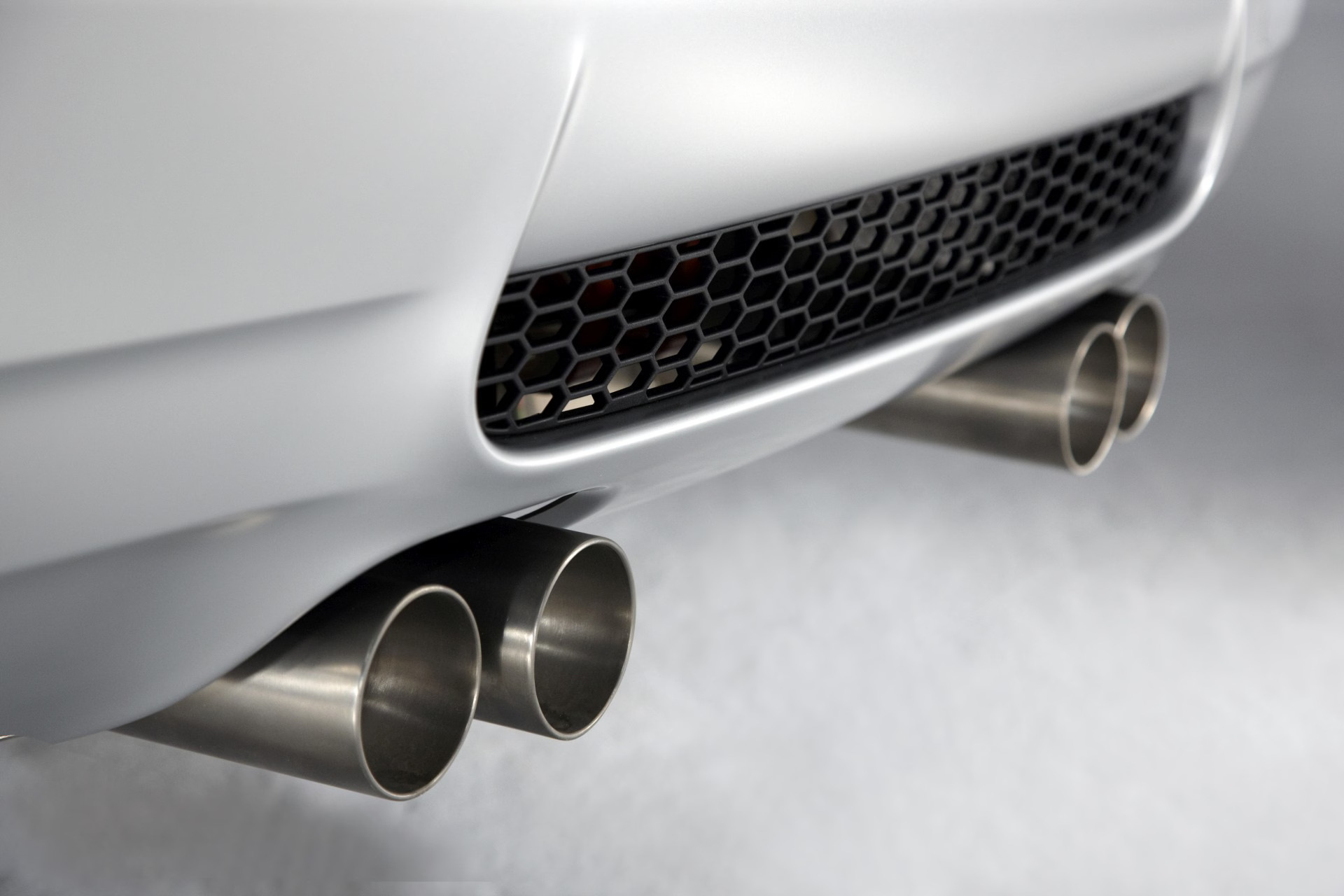
Additional carbon components included the bonnet, side skirts, and splitter. The front bumper received a deeper air dam with enlarged cooling ducts. At the rear, an aggressive diffuser integrated quad exhaust outlets. The overall appearance was substantially more aggressive than any previous E90 M3.
The only color configuration offered was Frozen Polar Silver with Melbourne Red accents on the vents and side gills. This singular specification reflected the car’s limited production and exclusive nature. Each car received hand-finished carbon components with meticulous attention to detail.
Standard wheels were 19-inch lightweight forged units wearing high-performance Michelin tires. The narrow body width concealed the M3’s genuine capabilities, a contrast to the aggressive visual presentation.
Interior
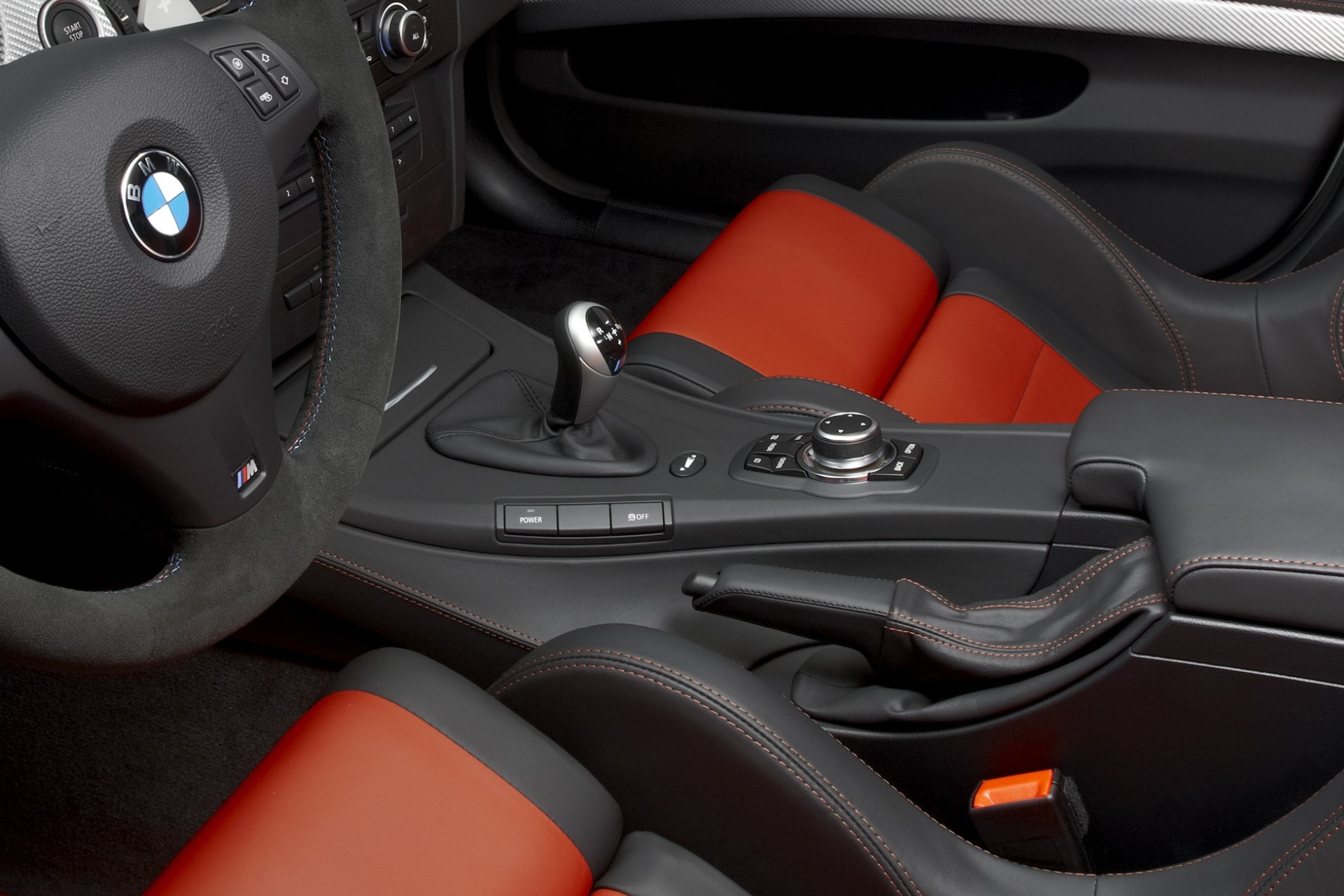
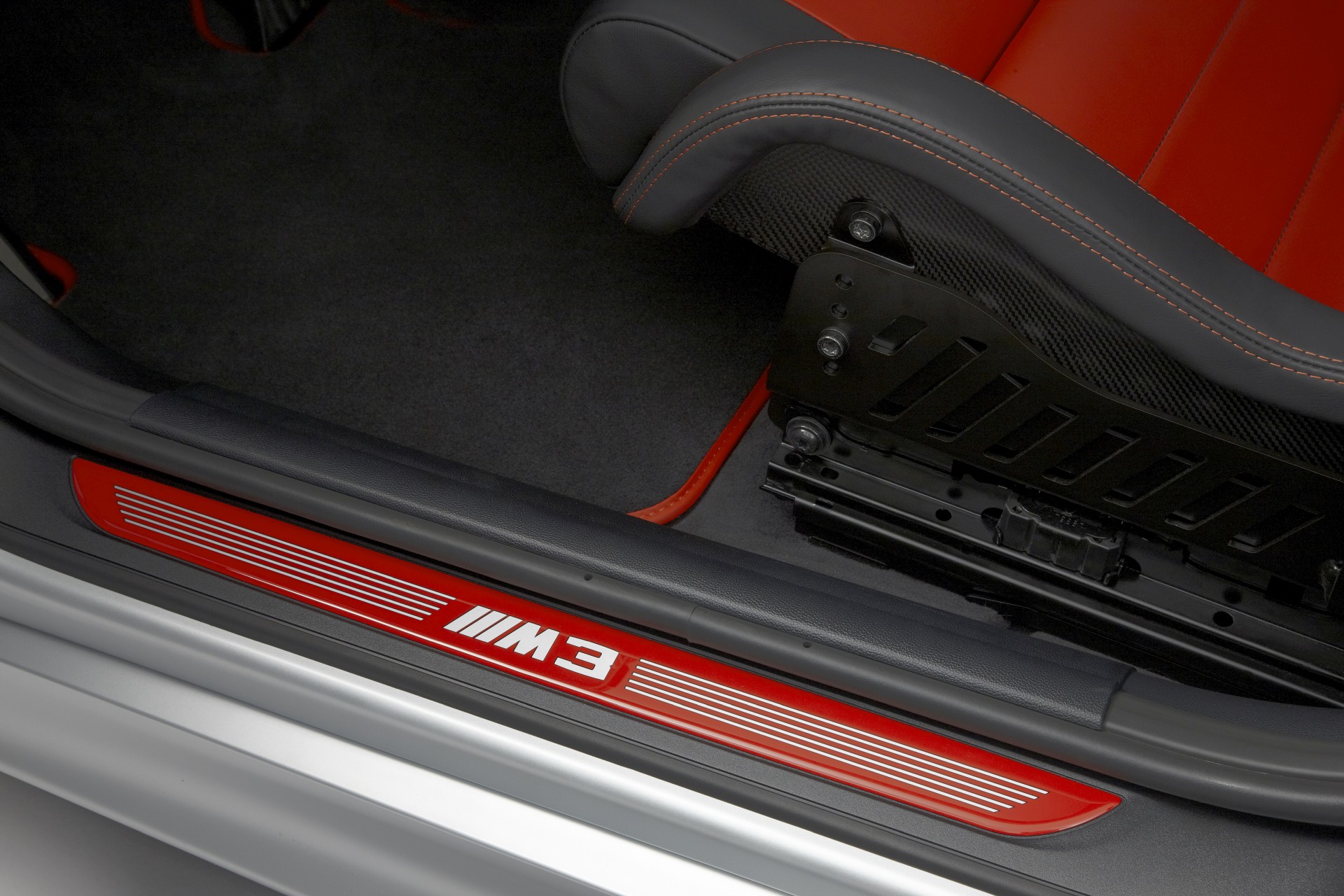
The cabin was trimmed in black leather throughout with red inserts on the front sport seats. The interior featured sculpted rear seats and red inserts for the front buckets. Carbon fiber trim accented the dashboard and door panels, reinforcing the car’s technological mission.
Instrumentation was comprehensive with white-faced gauges including a tachometer redlined at 8,500 rpm. The digital display provided precise performance data. A leather-wrapped steering wheel faced the driver.
Recaro sport seats provided excellent lateral support during aggressive driving. Power windows, central locking, and automatic climate control were standard. The overall atmosphere balanced minimalist performance intent with genuine luxury.
Specifications
- Engine: M60TU V8, 4,361cc (89.6mm bore, enlarged from 92mm), DOHC per bank, four valves per cylinder
- Power: 444 bhp at 8,300 rpm
- Torque: 325 lb-ft at 3,750 rpm
- Transmission: Seven-speed M DCT dual-clutch automatic
- Chassis: Steel monocoque, 2,760mm wheelbase
- Suspension: Double wishbones (front and rear), Bilstein dampers
- Brakes: Vented discs 330mm (front), 370mm (rear), ABS/DSC
- Weight: 1,580kg, approximately 45kg lighter than a standard post-March 2010 E90 M3 Sedan
- Performance: 0-60 in 4.3 seconds, top speed 180 mph
Production and Legacy
A batch of 67 CRT Sedans emerged during August 2011 from the BMW Motorsport facility. Each car received meticulous hand assembly with carbon components carefully inspected and fitted. The limited production reflected BMW’s intention to create something genuinely exclusive.
The CRT proved that carbon construction could be viable for small-volume production. It demonstrated that weight savings at critical points like the roof provided measurable performance benefits. The technology informed later BMW models including the i8 and i3.
Today, CRT examples are extraordinarily valuable. The combination of limited production, technical innovation, and stunning visual presentation has created devoted following among BMW enthusiasts. The singular Frozen Polar Silver finish with Melbourne Red accents has become iconic.
The E90 M3 CRT represented a pinnacle of M Division’s engineering philosophy: maximum performance through intelligent engineering rather than brute force. The carbon roof, enlarged V8, and four-door practicality created something unique. It remains one of BMW’s finest modern achievements, a carbon-intensive masterpiece that proved exclusivity and innovation could define a generation.