
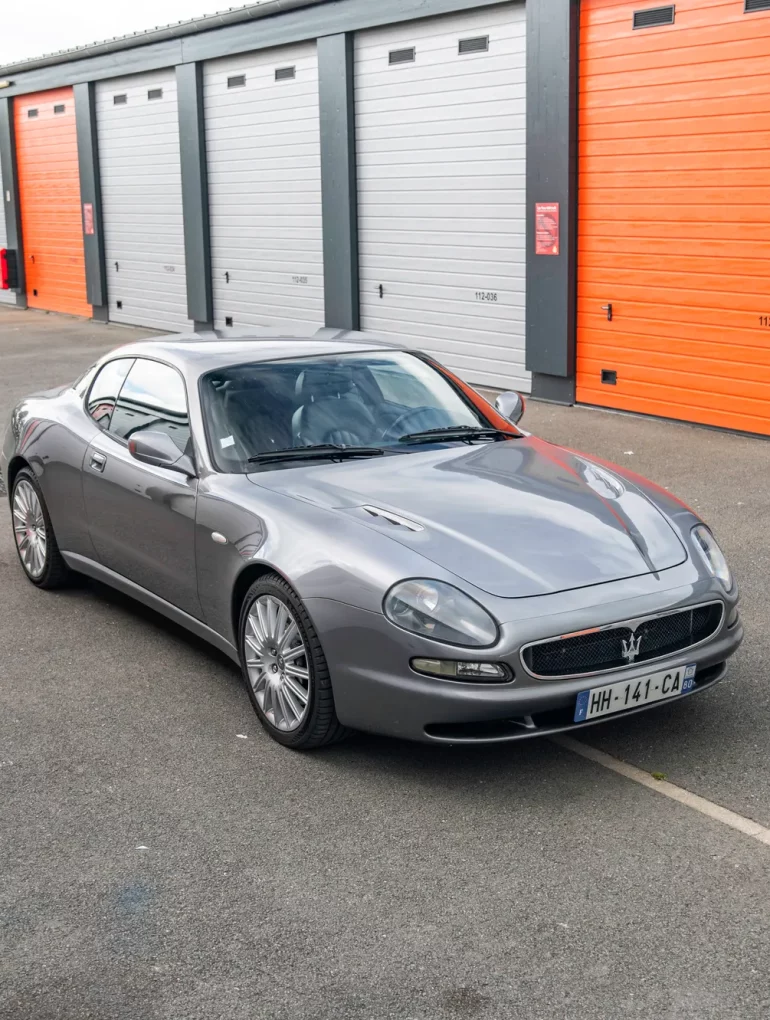

July 1998. Maserati unveiled the 3200 GT, marking the brand’s triumphant return to pure grand touring design after years of pursuing forced-induction sports cars. The new model represented Maserati’s philosophical pivot toward elegant performance and Italian refinement over raw turbocharged aggression. The 3.2-liter twin-turbocharged V8 produced 370 horsepower and 360 lb-ft of torque, delivering genuine supercar performance within a sophisticated 2+2 grand tourer package. This was Maserati celebrating its traditional heritage: a flowing coupe accommodating four passengers, delivering accessible daily usability alongside thrilling acceleration.
The 3200 GT could achieve 174 mph while maintaining the practicality expected from a grand touring car intended for extended European journeys. A 1999 introduction of the GTA automatic variant extended the car’s appeal to customers prioritizing effortless driving over manual engagement. This was Maserati’s statement that Italian elegance and twin-turbocharged performance weren’t mutually exclusive. Production ran from 1998 through 2002, with approximately 4,795 examples built, establishing the 3200 GT as one of the final grand tourers representing Maserati’s tradition before Ferrari ownership fundamentally redirected the brand’s future.
Background and Origins
The 3200 GT emerged during profound transition within Maserati’s corporate ownership. De Tomaso had sold its controlling stake in 1993, initiating a period of strategic repositioning. In 1997, Ferrari took full control of Maserati, establishing a new design and engineering direction. The 3200 GT represented the culmination of initiatives begun under De Tomaso stewardship while marking the beginning of Ferrari’s influence.
The car’s lineage traced directly to the Shamal and fourth-generation Quattroporte, both employing the same twin-turbocharged V8 architecture. Rather than develop completely original powertrain technology, Maserati revised and refined the established engine, increasing displacement and optimizing performance parameters. This conservative approach preserved development resources while delivering meaningful performance enhancement.
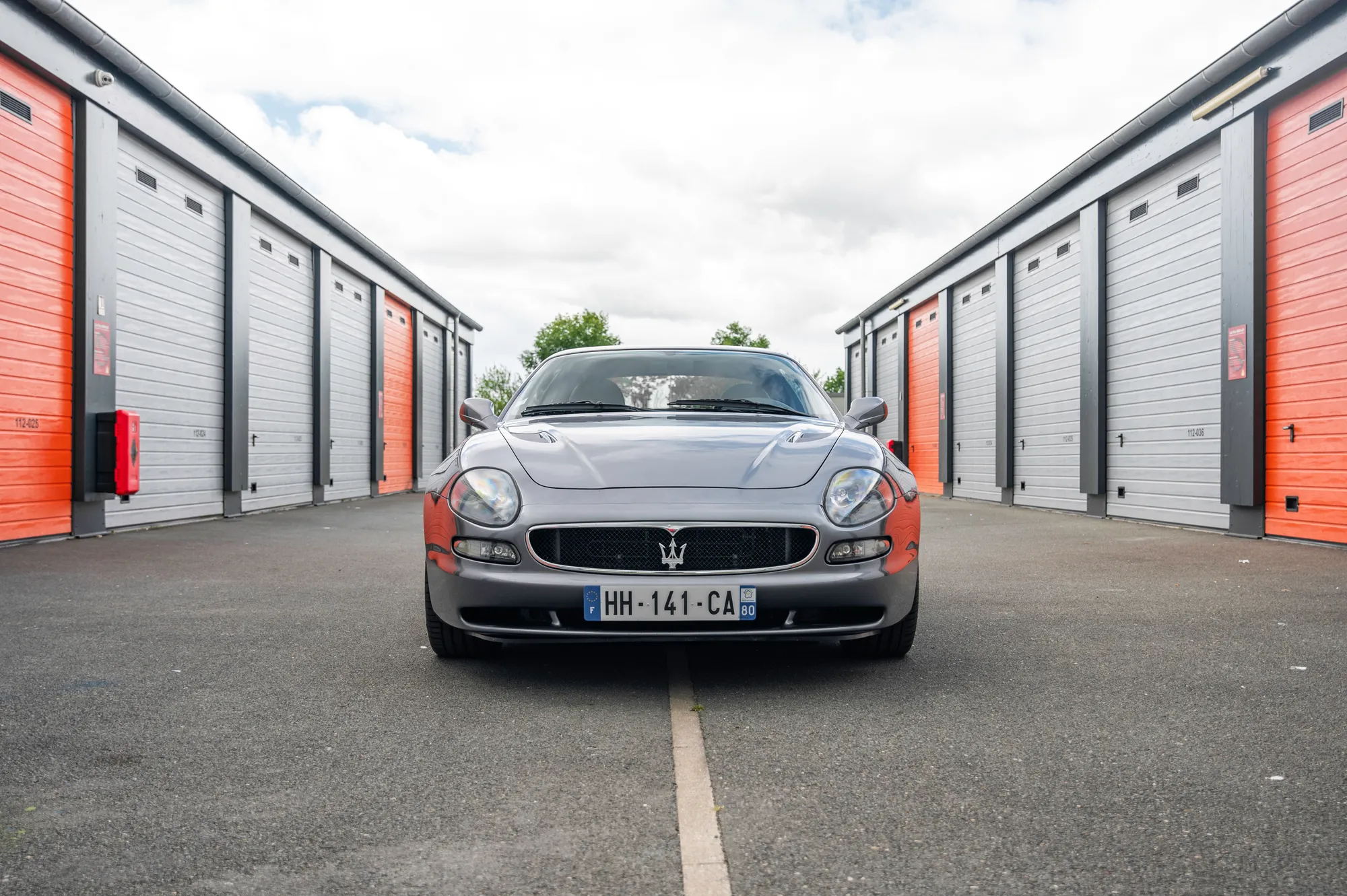
Designing the 3200 GT fell to Giorgetto Giugiaro at Italdesign, the legendary stylist who had previously shaped the iconic Ghibli, Bora, and Merak. Giugiaro’s vision emphasized flowing proportions and elegant simplicity, deliberately avoiding aggressive styling in favor of understated sophistication. The interior design was commissioned to Enrico Fumia, emphasizing luxury materials and ergonomic refinement appropriate for four-passenger grand touring journeys. The completed design represented Maserati’s return to its roots: a four-seat coupe celebrating Italian design tradition while delivering turbocharged performance.
Design and Engineering
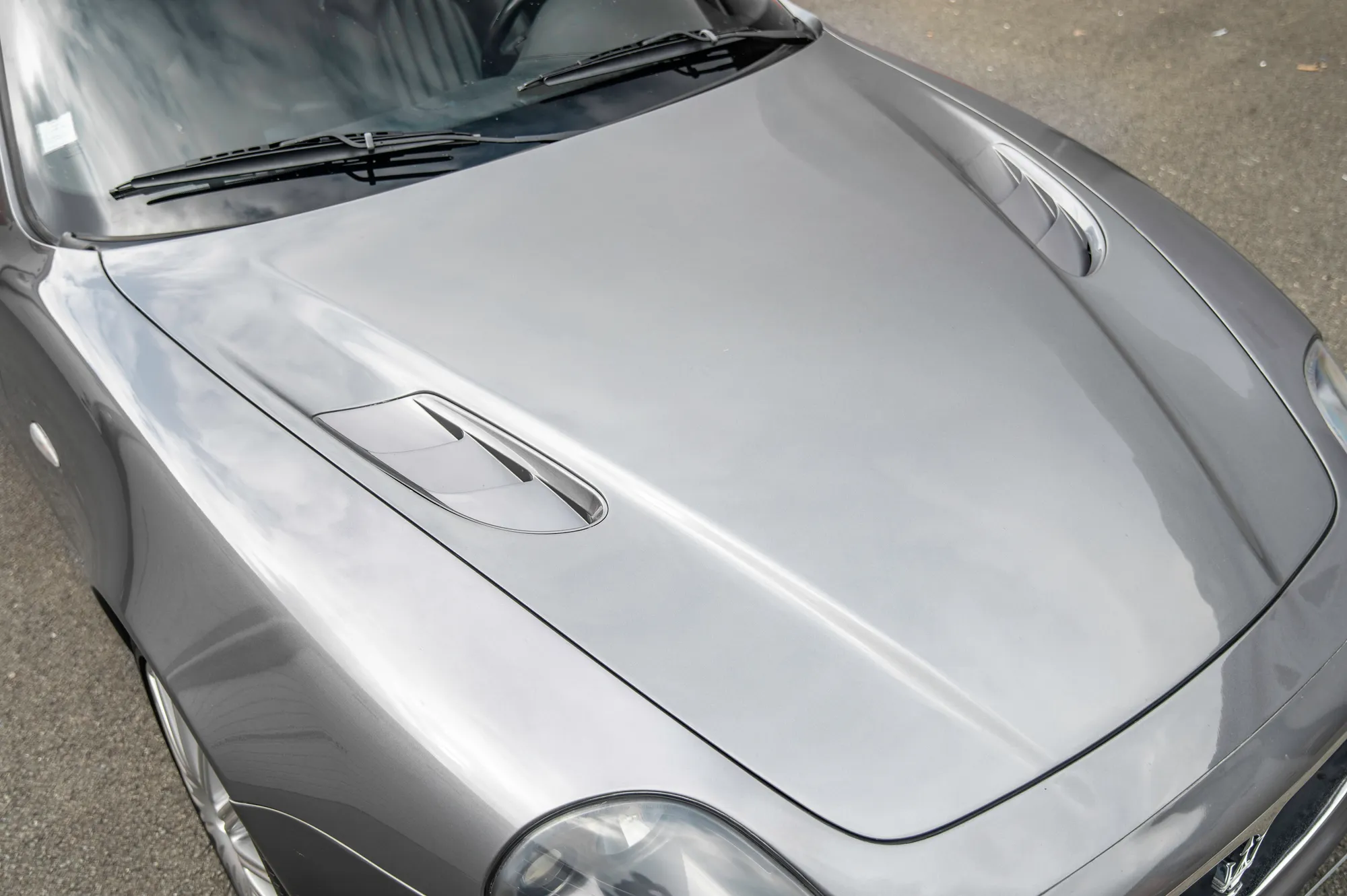
The 3200 GT utilized a front-engine, rear-wheel-drive platform with a 2,660mm wheelbase, optimal proportions for a four-seat grand tourer. The aluminum chassis benefited from proven engineering developed through Shamal and Quattroporte applications, allowing engineers to focus resources on suspension refinement and aerodynamic optimization. The body was constructed from aluminum and composite materials, minimizing weight while maintaining structural integrity.
Suspension featured double wishbones front and rear with coil springs and Bilstein dampers. The geometry emphasized comfort during extended high-speed driving while providing responsive handling for spirited road use. Anti-roll bars provided roll control without excessive harshness. The suspension setup prioritized balanced behavior rather than extreme performance, reflecting the grand tourer mission emphasizing passenger comfort alongside dynamic capability.
Braking was by ventilated discs with four-piston calipers front and rear, providing confident stopping power adequate for the 3200 GT’s performance envelope. ABS prevented wheel locking during aggressive braking, enhancing safety during emergency maneuvers or prolonged downhill driving.
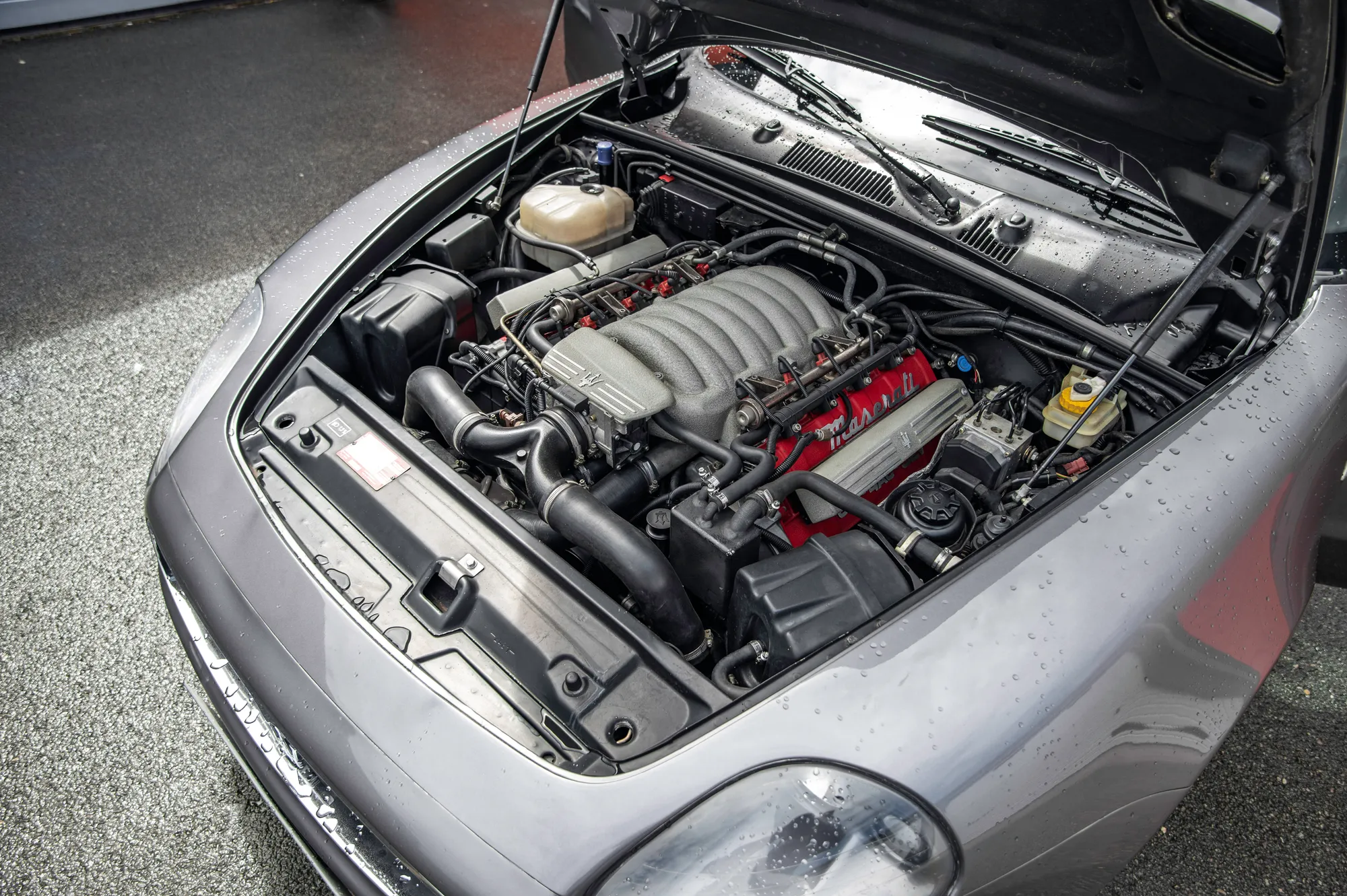
The AM 585 twin-turbocharged V8 displaced 3,201cc with a bore and stroke optimized for turbocharged efficiency. Two Garrett turbochargers provided intercooled boost across the entire rev range. The engine produced 370 horsepower at 6,250 rpm and 360 lb-ft of torque at 4,500 rpm, remarkable output from a compact V8 configuration. The power delivery emphasized mid-range availability, ensuring accessible performance for daily driving while providing genuine acceleration when demanded. Bosch fuel injection with electronic engine management optimized combustion efficiency, balancing performance with emissions compliance requirements.
Transmission options included a six-speed manual or optional four-speed automatic. The manual gearbox was supplied by Getrag, featuring mechanical precision and direct engagement. The automatic, available from 1999 as the GTA variant, employed an Australian-built BTR torque converter providing smooth automatic delivery with marginally reduced performance compared to the manual’s visceral engagement.
Styling
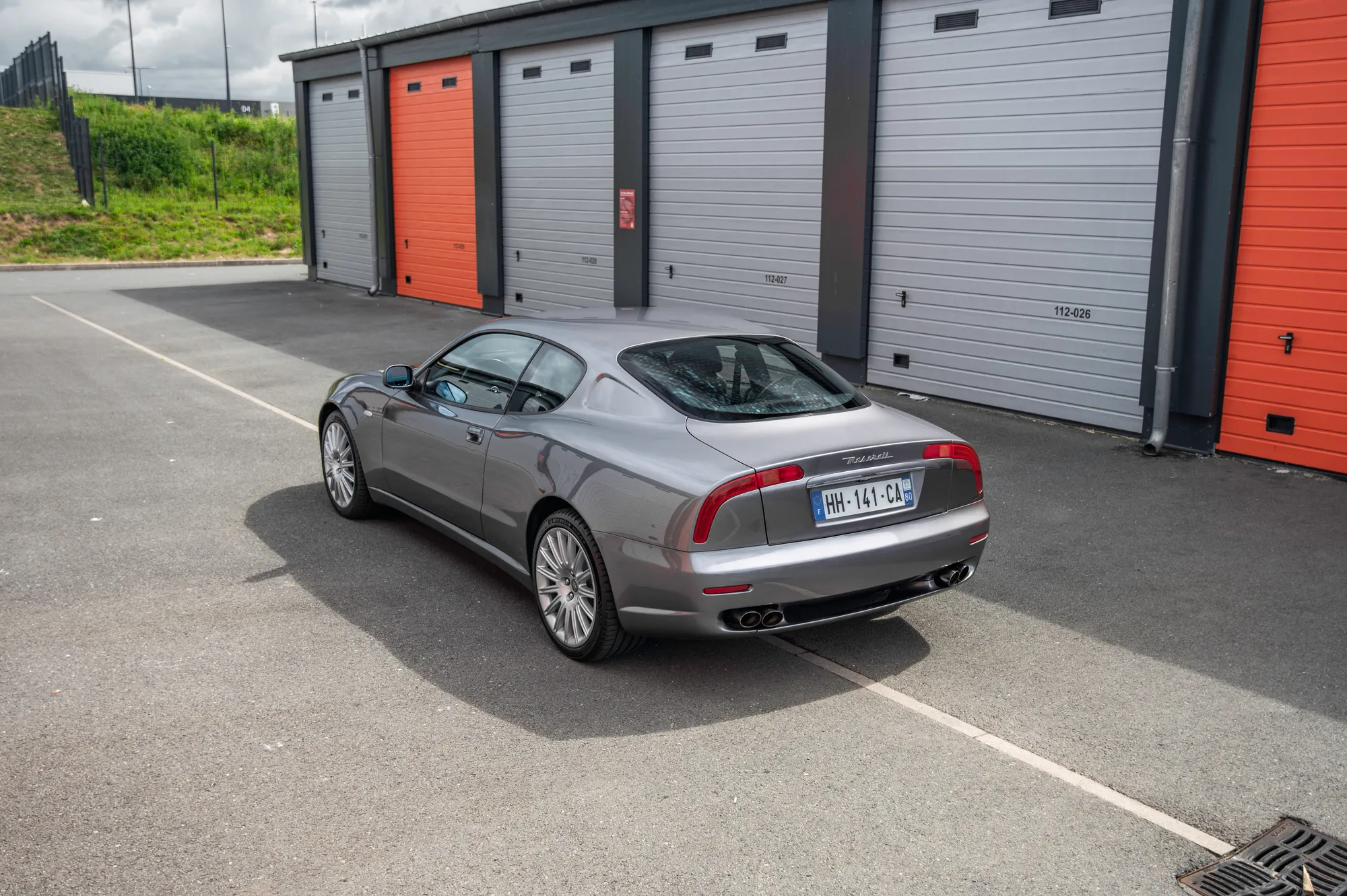
Giugiaro’s design established visual proportions emphasizing elegance and functional purpose. The long hood accommodated the mid-mounted engine while creating balanced proportions. The side profile featured sculpted surfaces minimizing visual bulk despite the substantial 4,510mm overall length. The cabin was positioned rearward, optimizing weight distribution while emphasizing the interior’s generous space.
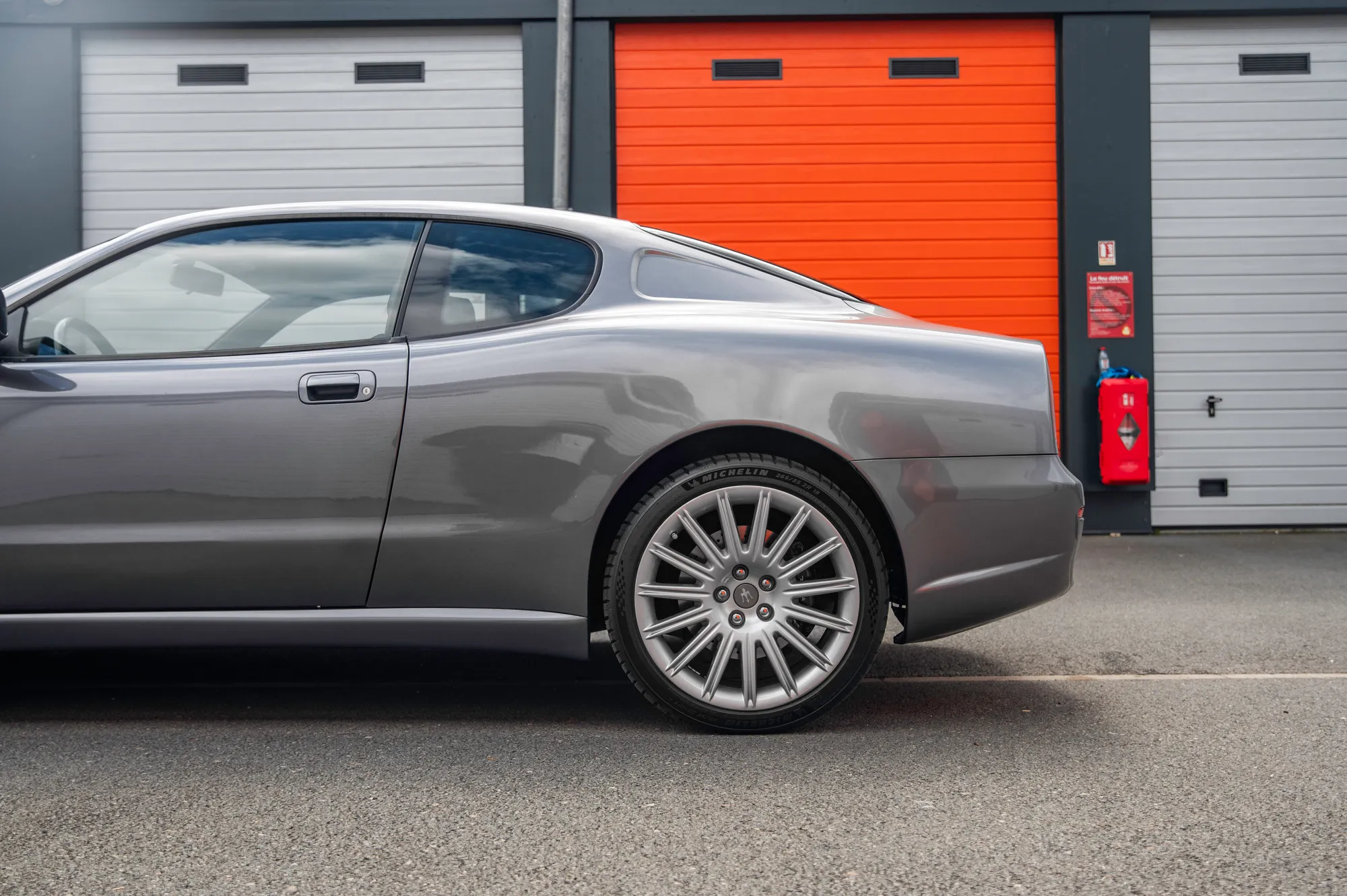
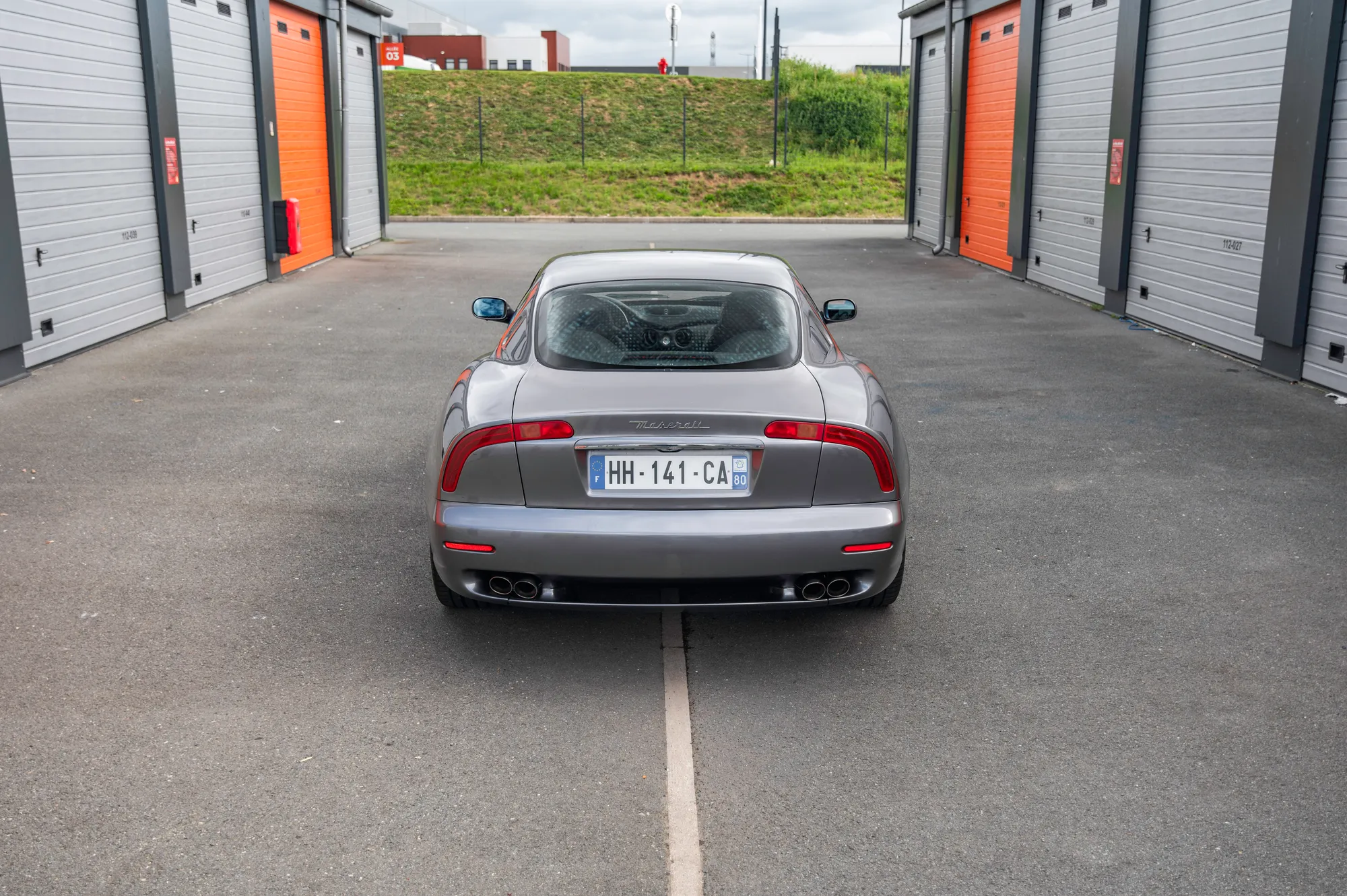
The most distinctive styling element was the rear light design, featuring LED diodes arranged in a distinctive boomerang pattern—an iconic visual signature celebrating Maserati heritage. The integrated design was remarkably sophisticated for the era, combining function with striking aesthetic presence. The overall appearance emphasized timeless elegance over contemporary fashion, a deliberate choice reflecting grand touring tradition.
Interior
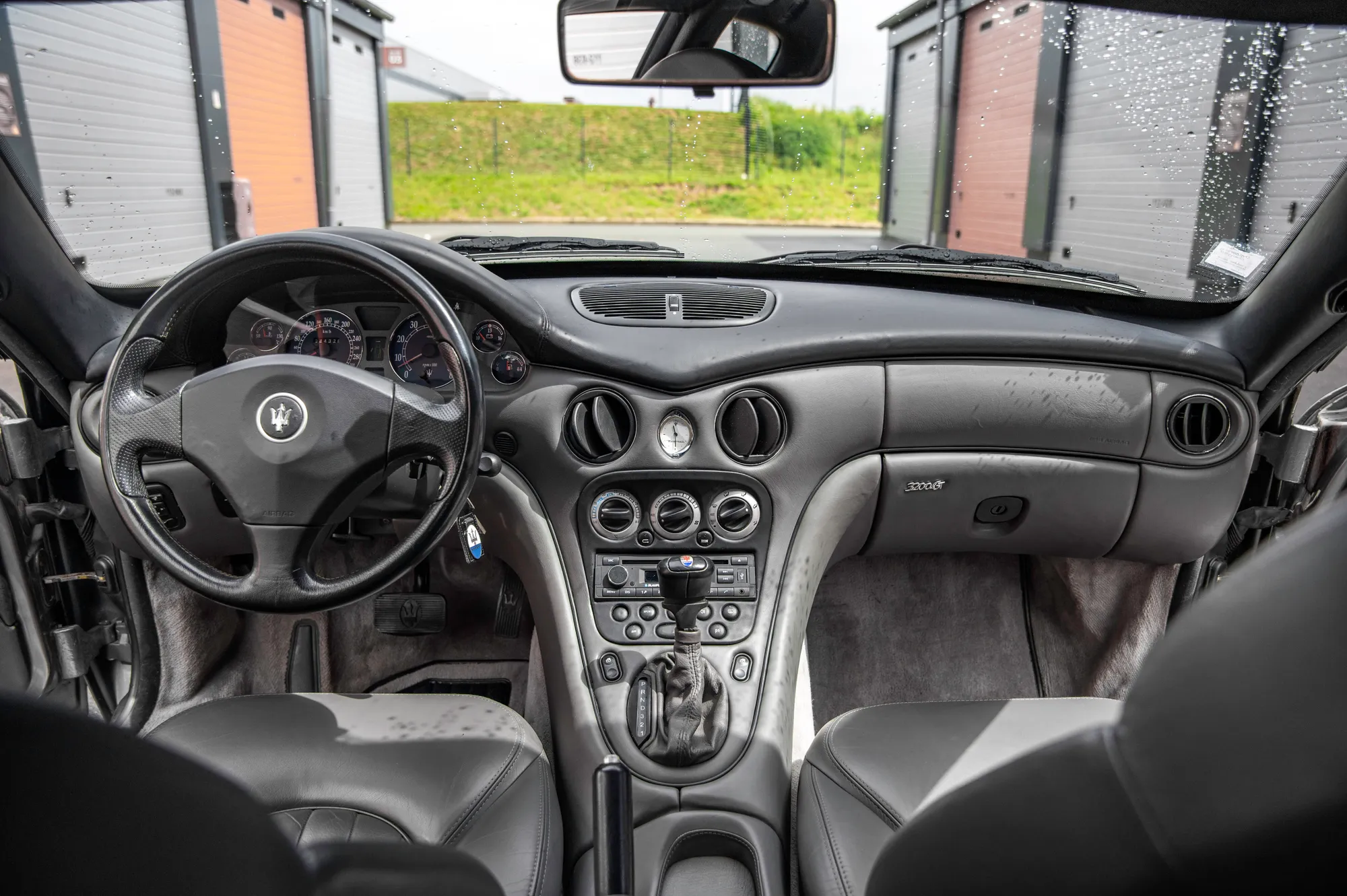
The cabin emphasized Italian luxury combined with practical functionality. High-quality Connolly leather upholstery covered supportive bucket seats, while rear passengers enjoyed genuinely comfortable seating accommodating four adults on extended journeys. Interior trim featured exotic woods, leather accents, and brushed aluminum surfaces reflecting Maserati’s engineering heritage. The driving position was commanding yet comfortable, with excellent visibility and all controls falling naturally to hand.
Standard equipment included climate control, premium audio systems, and sophisticated gauges displaying engine parameters. Personalization options allowed customers to specify leather colors, wood trim selections, and various upholstery patterns through Maserati’s customization program.
Specifications
- Engine: AM 585 twin-turbocharged V8, 3,201cc, DOHC per bank, four valves per cylinder
- Power: 370 PS / 365 hp at 6,250 rpm (GTA: 368 hp)
- Torque: 362 lb-ft / 488 N·m at 4,500 rpm
- Transmission: Six-speed manual (Getrag) or four-speed automatic (BTR M72LE on GTA)
- Chassis: Aluminum frame, front-mounted engine
- Suspension: Double wishbones (front and rear), coil springs, Bilstein dampers
- Brakes: Ventilated discs, four-piston calipers (front and rear), ABS
- Wheels: 18-inch alloy, Pirelli or Michelin tires available
- Weight: 1,590 kg manual / 1,617 kg automatic
- Performance: 174 mph top speed, 0-60 mph in 5.1 seconds (manual), 5.7 seconds (GTA)
Production and Legacy
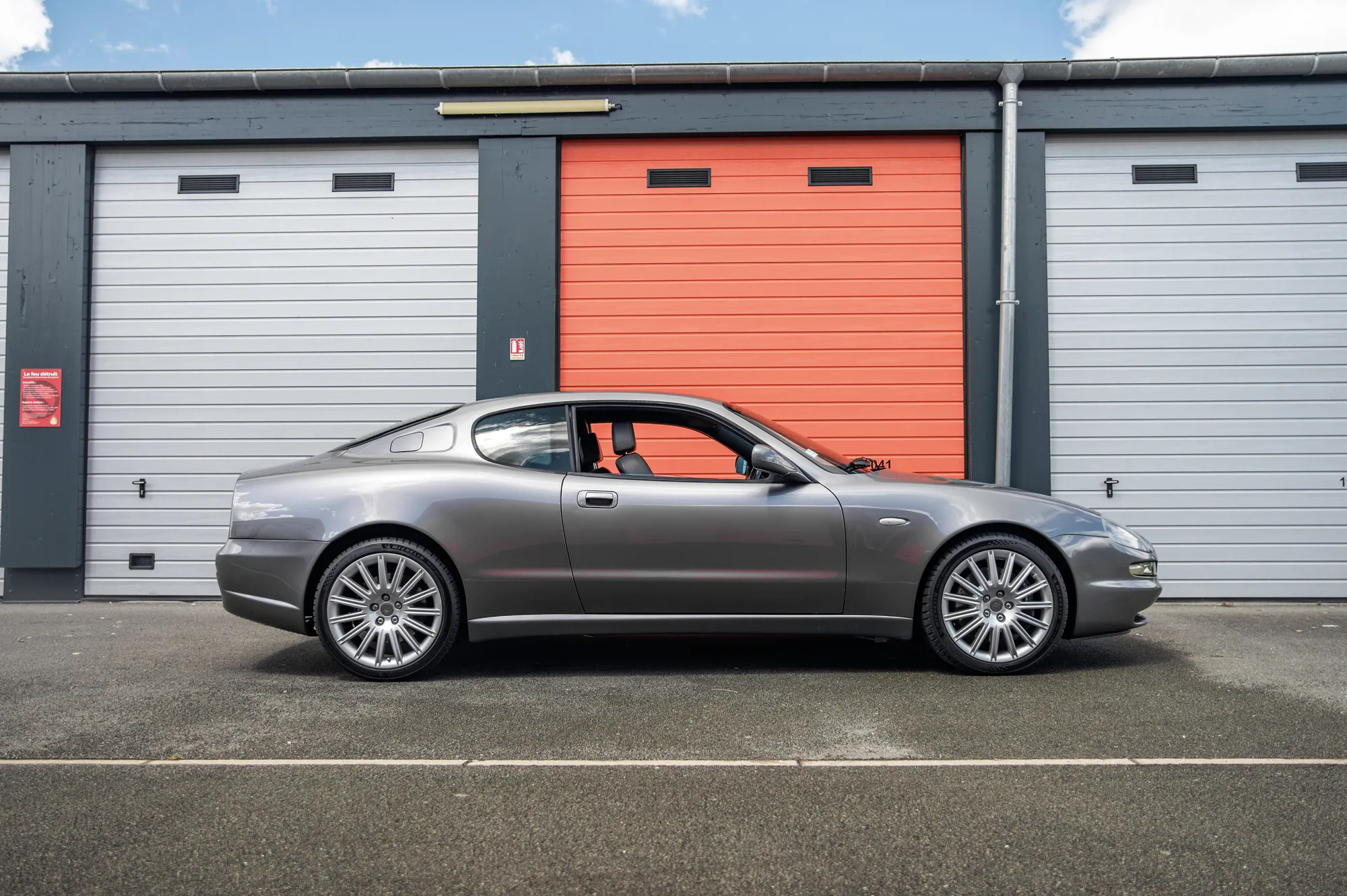
Maserati produced 4,795 3200 GT examples between 1998 and 2002, comprising 2,689 manual variants and 2,106 automatic GTA models. Production concluded in late 2001 for the manual, with automatic production extending through early 2002. A limited-edition Assetto Corsa handling package debuted in 2001, offering increased suspension stiffness, reduced ride height, improved brake pads, and Pirelli P-Zero Corsa tires. Only 259 Assetto Corsa models were produced across both manual and automatic configurations.
The 3200 GT proved that grand touring tradition remained viable in the modern era. The combination of four-seat comfort, turbocharged performance, and Italian design excellence created a compelling proposition for customers seeking refined high-speed touring capability.
Today, 3200 GT examples command respectable collector values reflecting their historical significance. The twin-turbocharged heritage and Giugiaro design have established lasting appeal among enthusiasts appreciating Italian grand touring tradition.
The Maserati 3200 GT & GTA represented Modena’s elegant performance philosophy, celebrating turbocharged capability within a sophisticated grand touring package. They remain one of the final grand tourers embodying Maserati’s traditional design heritage before Ferrari’s complete ownership redirected the brand toward exclusive sports car development.