
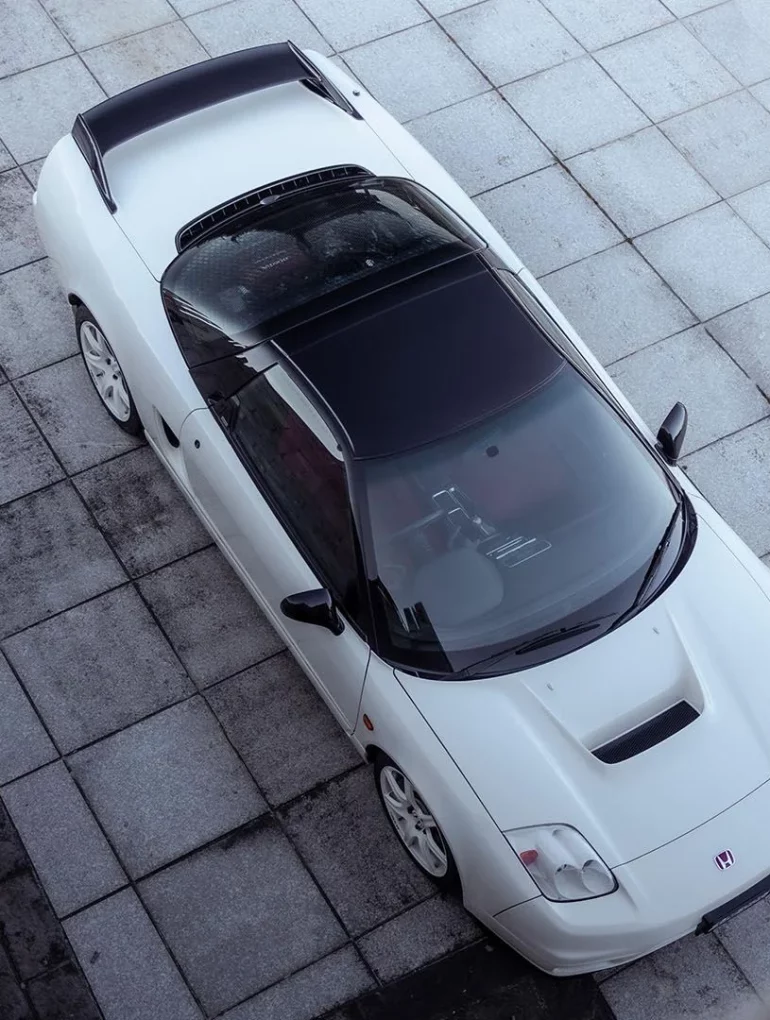

Tokyo Motor Show, May 2002. Honda unveiled the NSX Type R, representing the absolute pinnacle of the second-generation NSX platform and establishing the definitive expression of naturally aspirated mid-engine performance. The 3.2-liter DOHC V6 produced officially 280 horsepower at 7,300 rpm and 224 lb-ft of torque at 5,500 rpm, officially constrained by Japan’s “Gentleman’s Agreement” limiting production cars, though blueprinted output was widely known to exceed these conservative figures. This was Honda’s statement that Japanese engineering excellence and mechanical sophistication could create a genuinely transcendent supercar through naturally aspirated refinement and weight reduction rather than forced induction.
The NSX Type R could accelerate from 0 to 60 mph in approximately 4.5 seconds while achieving 168 mph, establishing credentials matching contemporary Ferrari and Porsche supercars through engineering sophistication and balanced design. Production ran from 2002 through 2005, with approximately 281 examples built globally, establishing the NSX Type R as one of the rarest and most exclusive performance machines Honda ever produced.
Background and Origins
The NSX Type R emerged from Honda’s commitment to delivering the ultimate driving experience through continuous engineering refinement and weight reduction. Development began following the introduction of the 3.2-liter engine in the second-generation NA2 NSX, which increased displacement from the original 3.0 liters through expanded bore dimensions while maintaining Honda’s naturally aspirated philosophy. Rather than pursue turbocharging or supercharging as competitors increasingly adopted, Honda remained committed to mechanical simplicity and naturally aspirated character.
The Type R designation carried extraordinary heritage within Honda’s performance division, representing the most extreme expression of each platform’s potential. The NSX Type R concept established precedent: lightweight construction, high-revving engines, track-focused engineering, and meticulous mechanical refinement emphasized driver engagement over technological complexity or luxury appointments. The Type R would represent the culmination of this philosophy applied to Honda’s flagship supercar.
Engineering the NSX Type R required comprehensive optimization of Honda’s proven naturally aspirated platform through radical weight reduction. Rather than simply apply cosmetic styling changes and call it complete, engineers fundamentally reconceived the car’s purpose: create a road-legal machine capable of genuine competition capability while stripping away all unnecessary weight. This approach demanded suspension optimization, aggressive aerodynamic refinement, interior weight reduction through deletion of comfort features, and engine management calibration—comprehensive transformation emphasizing track performance over practical accommodation.
The engine received meticulous development from the already-sophisticated 3.2-liter foundation. Blueprinting processes, careful valve timing optimization, and sophisticated electronic fuel injection calibration contributed to maximizing naturally aspirated output within reliability parameters. Variable valve timing (VTEC) allowed the engine to operate efficiently at lower speeds while accessing aggressive cam profiles at elevated revolutions, establishing the linear power delivery characteristic of high-revving Honda engines.
Design and Engineering
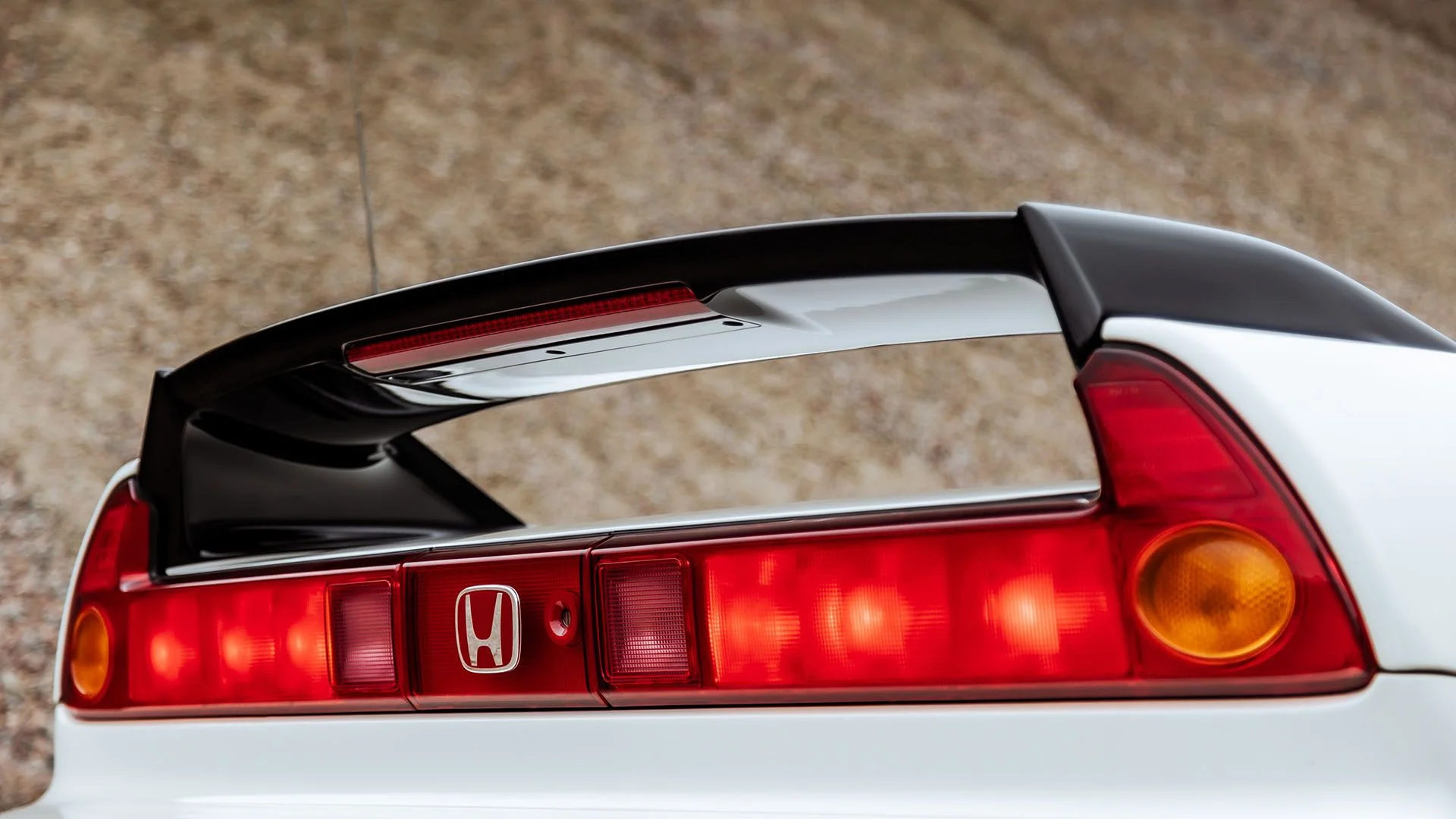
The NSX Type R retained the revolutionary all-aluminum monocoque chassis that established the original NSX’s engineering credentials. The platform, conceived during the 1980s with Ayrton Senna’s collaborative input, remained extraordinarily advanced despite the second-generation update. The 2,530mm wheelbase established perfectly balanced proportions, with weight distribution optimized through the mid-mounted engine positioning.
Suspension featured independent double wishbones front and rear, the geometry inherited from the original NSX but meticulously revised for Type R specification. The Type R variant incorporated stiffer suspension bushings, revised anti-roll bar calibration, and more aggressive spring rates optimizing cornering response without sacrificing the responsiveness expected from a track-focused machine. Forged BBS aluminum wheels in Championship White replaced standard items, saving substantial unsprung weight while providing excellent strength for road and circuit use.
Braking was by all-round ventilated discs measuring 298mm front and 303mm rear with four-channel ABS preventing wheel lockup during emergency braking. The system incorporated sophisticated electronic control optimizing pressure distribution based on driving conditions and driver input. This represented remarkable sophistication for the early 2000s, establishing Honda’s engineering leadership through technology applied with engineering precision.
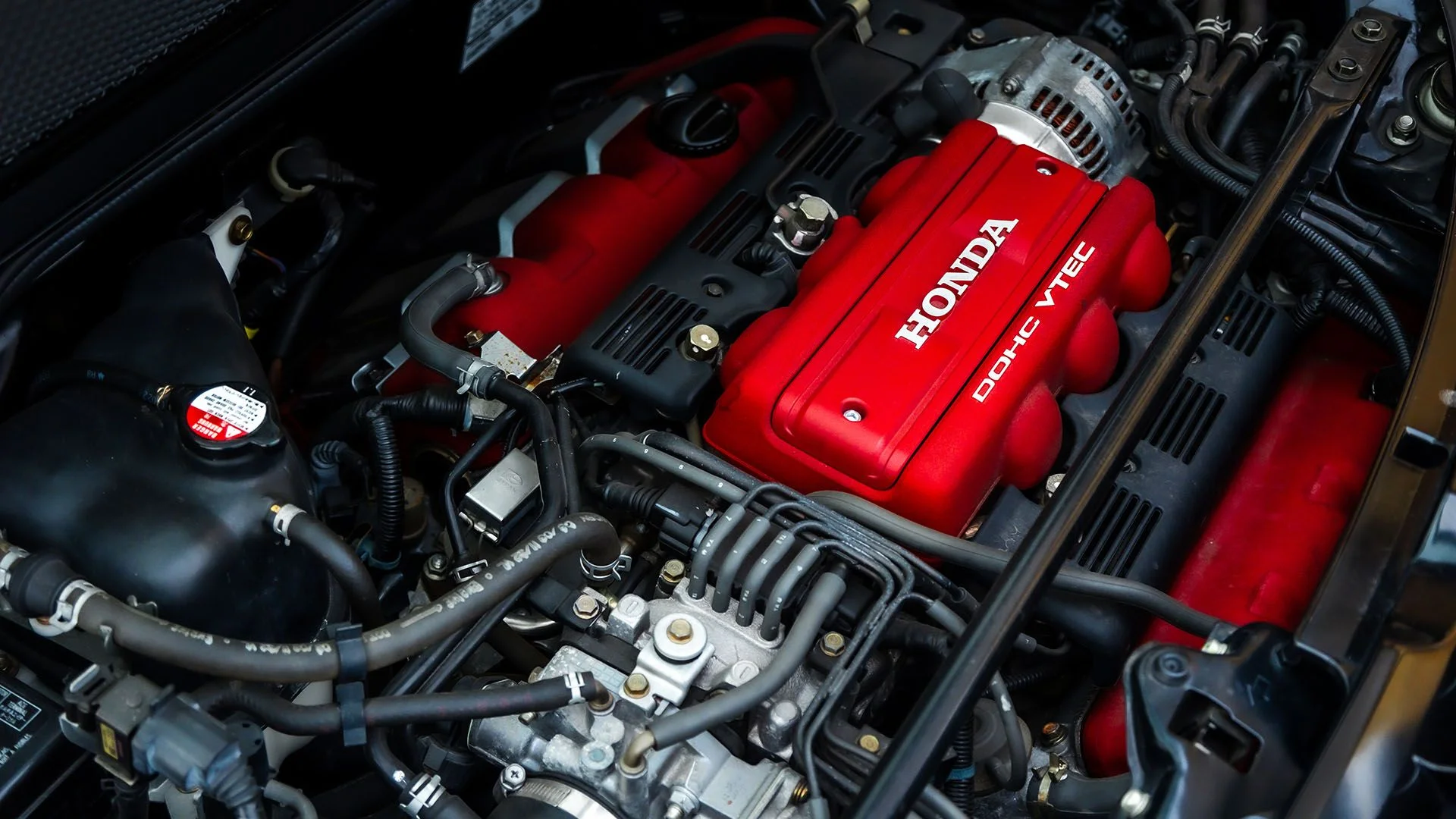
The C32B naturally aspirated V6 displaced 3,179cc with a 90-degree angle optimizing packaging within the mid-engine compartment. Dual overhead camshafts per bank controlled four valves per cylinder, with Honda’s sophisticated VTEC variable valve timing system continuously adjusting intake valve timing for optimal combustion efficiency. The 10.2:1 compression ratio, remarkably high by contemporary standards, required premium fuel while allowing aggressive engine tuning. With sophisticated PGM-F1 electronic fuel injection and advanced engine management, official output was 280 horsepower at 7,300 rpm and 224 lb-ft of torque at 5,500 rpm.
The six-speed manual transmission featured mechanical precision and direct engagement, with close-ratio spacing optimized for spirited driving while providing practical capability. The limited-slip differential distributed power effectively to rear wheels, exploiting available traction without aggressive wheelspin during acceleration.
Styling
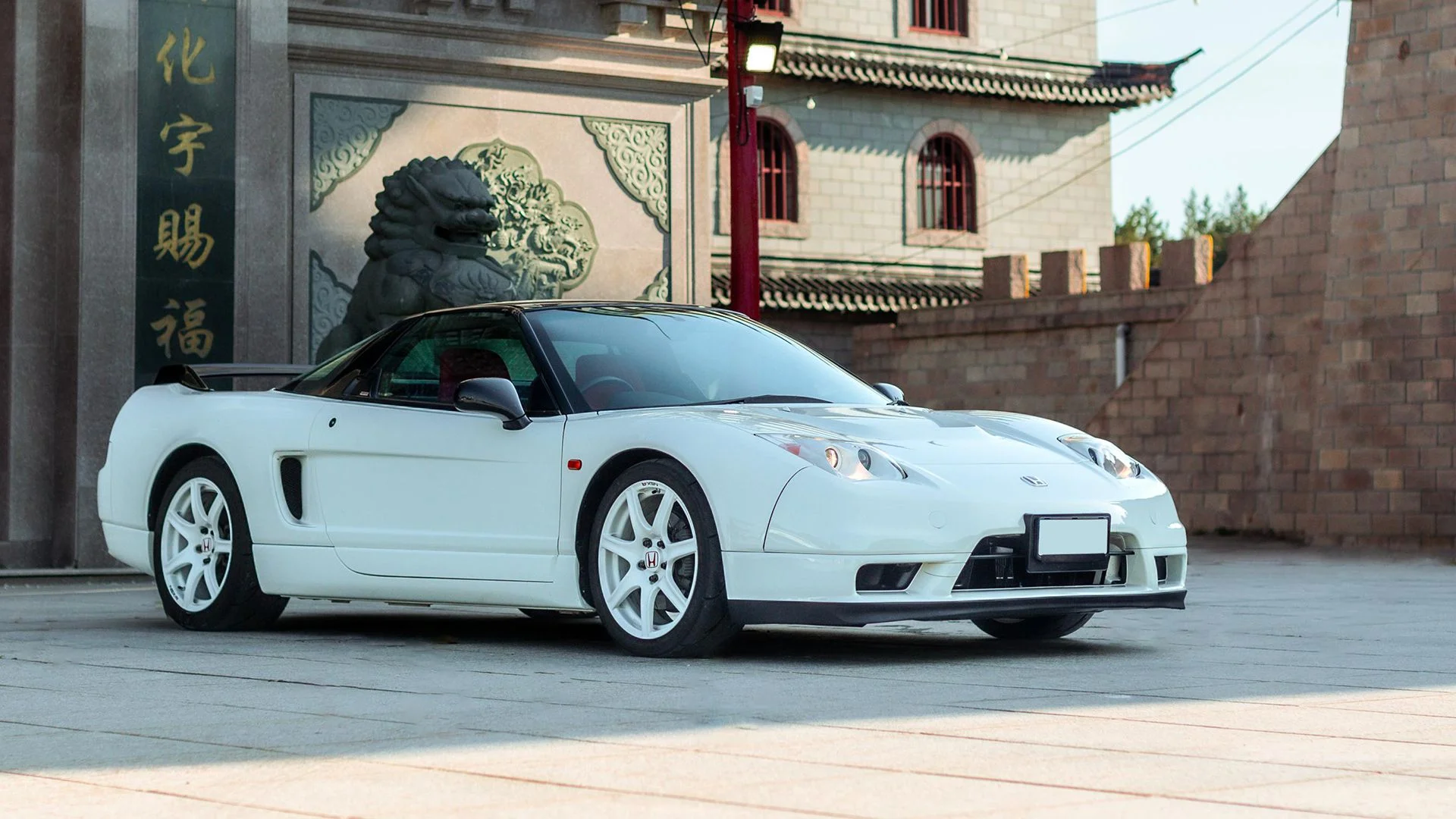
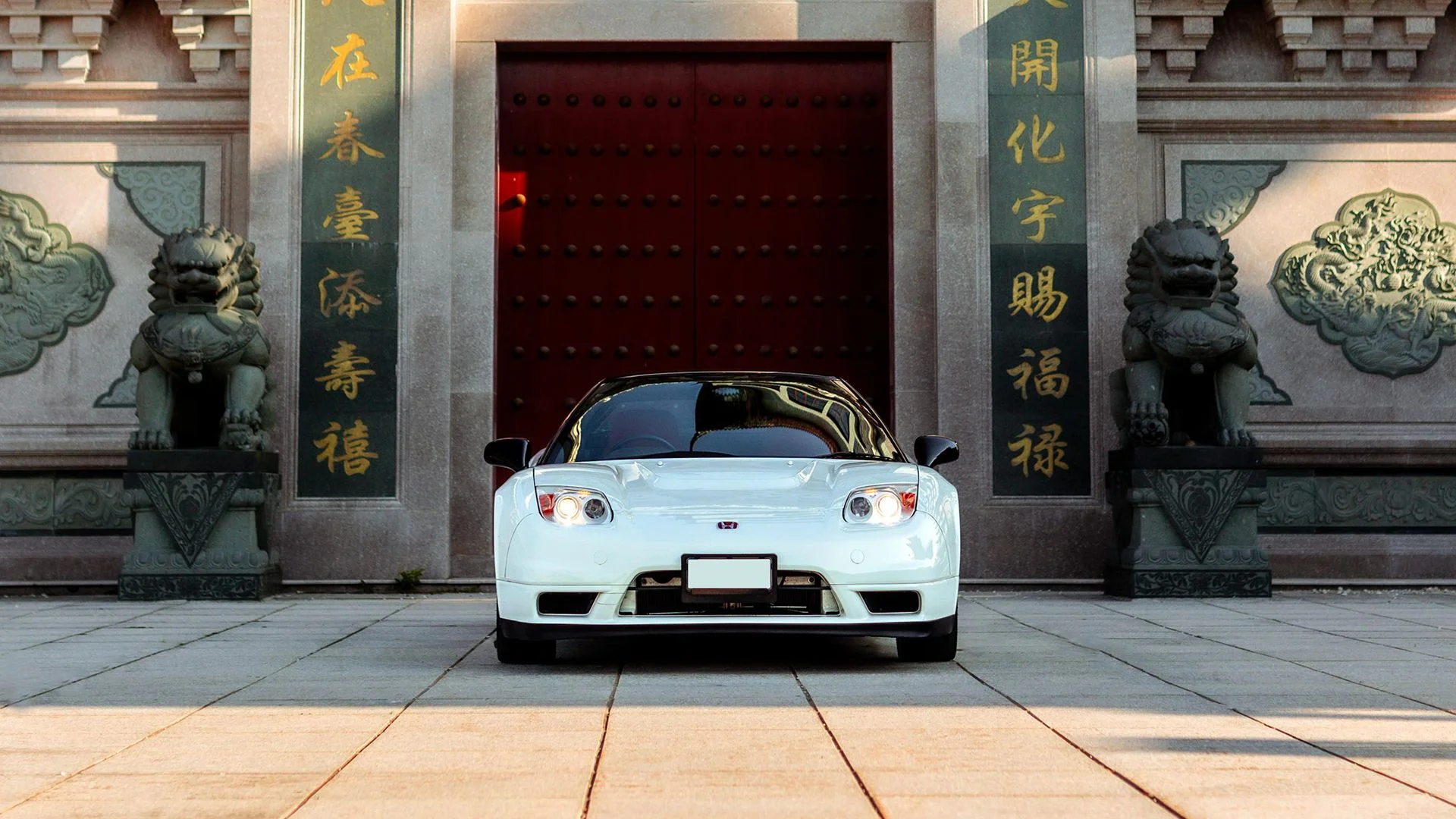
The NSX Type R featured aggressive, functional aerodynamic enhancements emphasizing its track-focused mission. A distinctive carbon-fiber hood with large integrated air vents provided genuine engine bay cooling while announcing the car’s performance focus. The undertray featured a revised diffuser generating legitimate downforce at speed, while a prominent carbon-fiber rear wing provided measurable aerodynamic benefit rather than purely visual enhancement. These components established visual distinctiveness signaling that this was fundamentally different from the standard NSX.
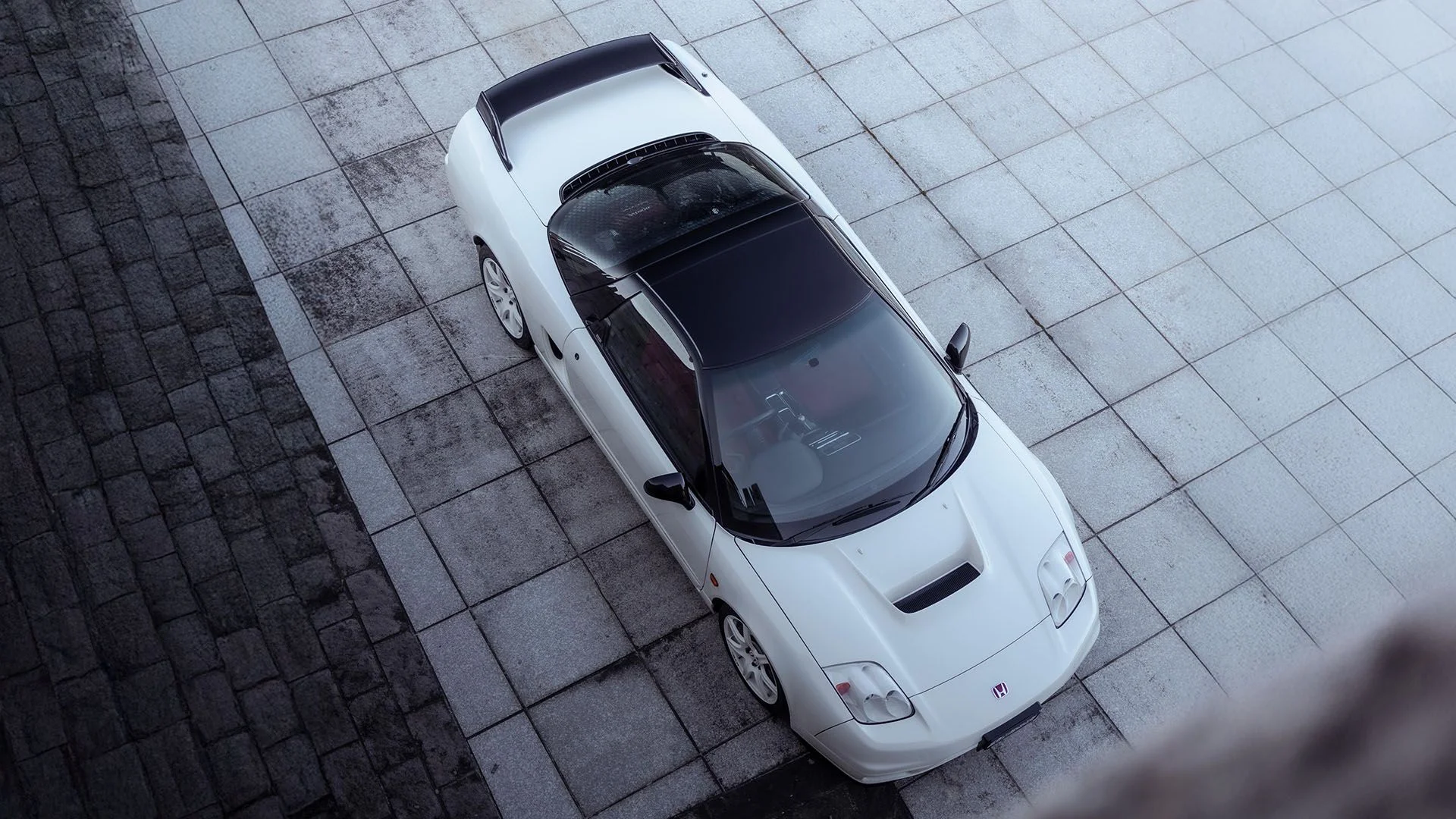
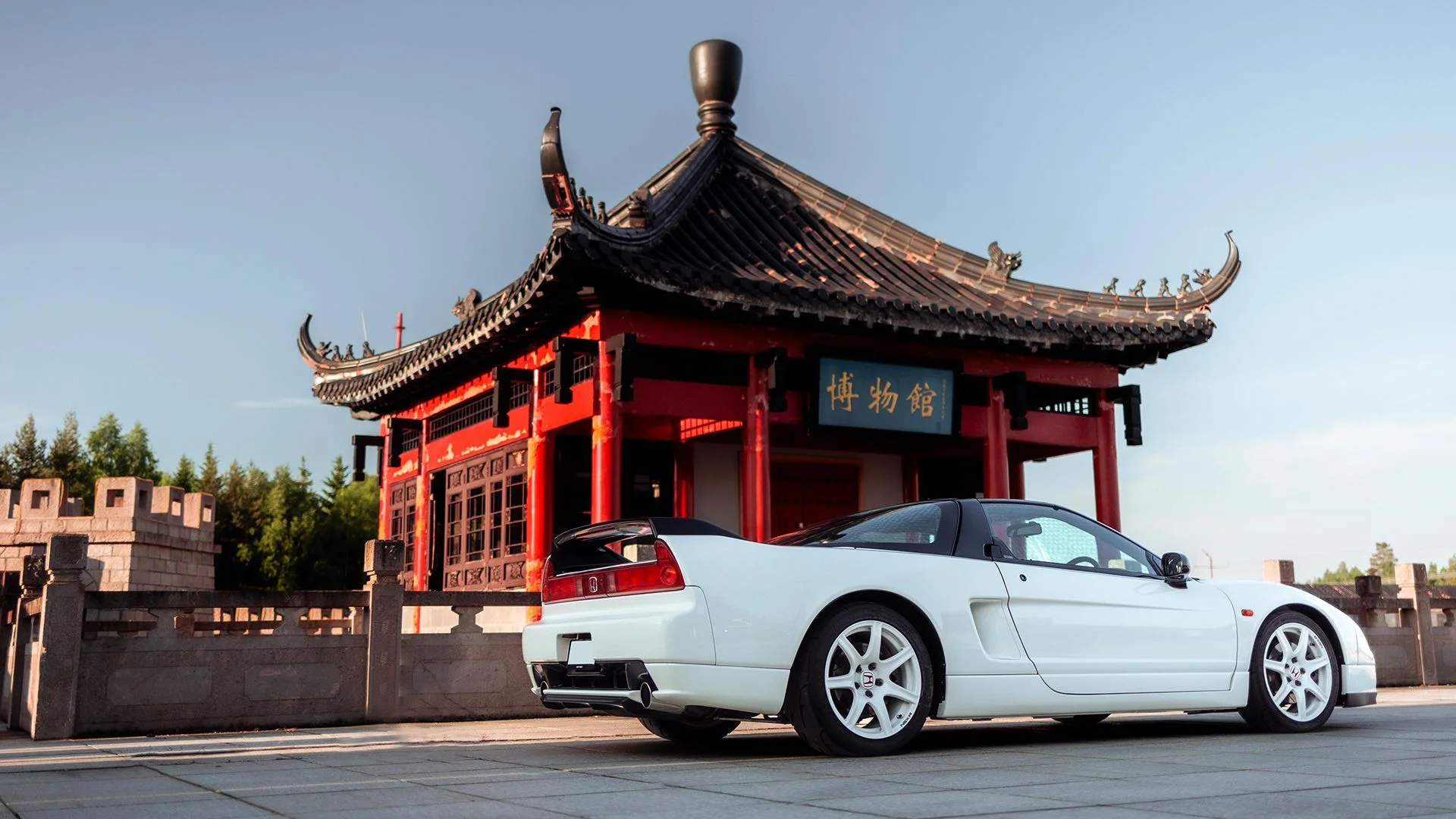
The overall appearance emphasized that Honda’s engineering excellence demanded no theatrical styling—functional aerodynamic design and engineering integrity defined the Type R character. Most NSX Type R examples were finished in Honda’s iconic Championship White, though custom palette options including Indy Yellow Pearl, Long Beach Blue Pearl, and Monza Red Pearl were available for select customers.
Interior
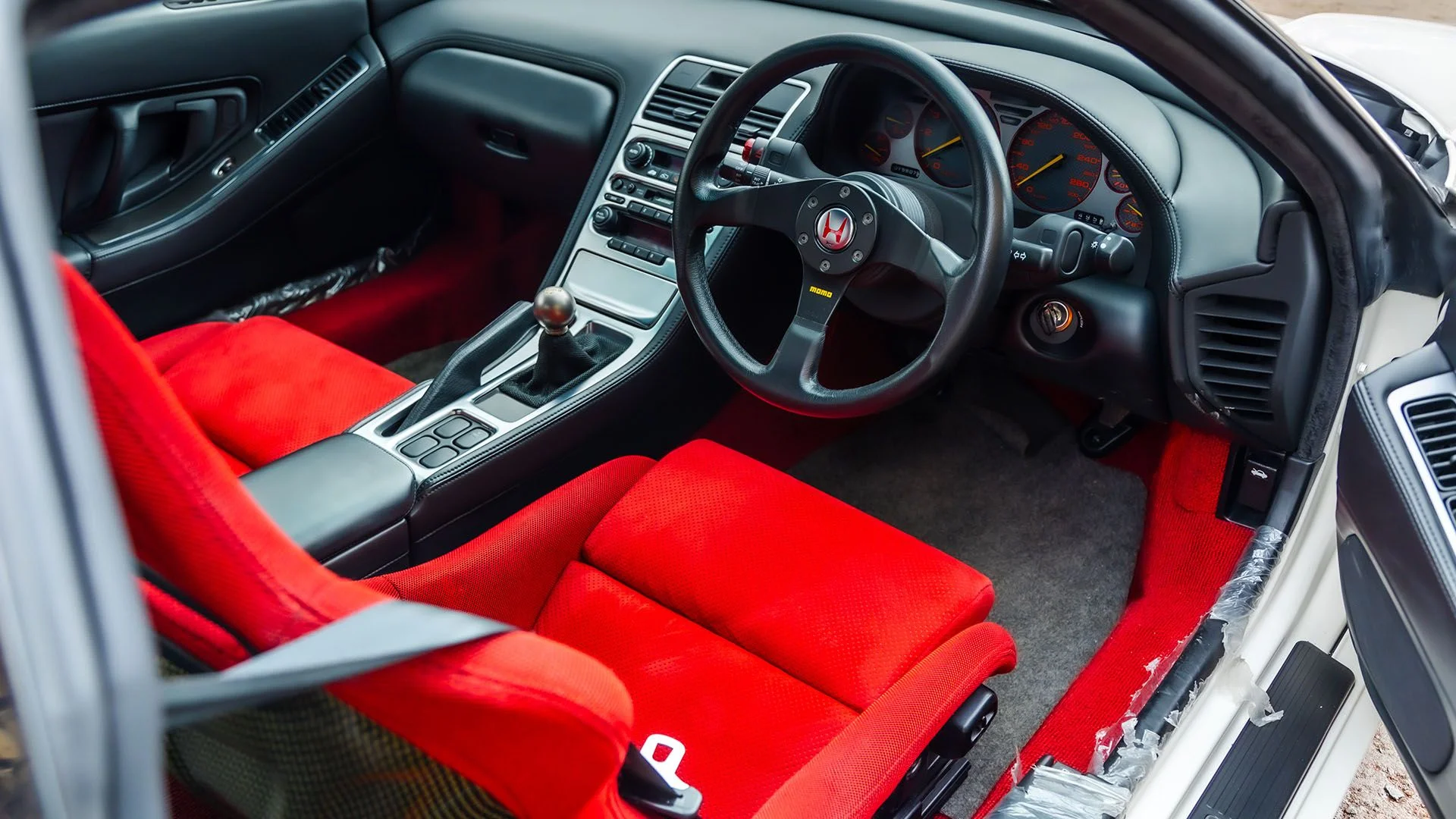
The cabin emphasized uncompromising driver engagement through systematic weight reduction. Carbon-kevlar Recaro racing bucket seats upholstered in red mesh and Alcantara provided exceptional lateral support during aggressive driving while maintaining adequate comfort for road use. Remarkably, air conditioning, the audio system, and power steering were completely eliminated as standard equipment—available only as optional extras for customers prioritizing comfort over performance. Sound deadening insulation was minimized to reduce mass, allowing engine and road noise to transmit directly to occupants.
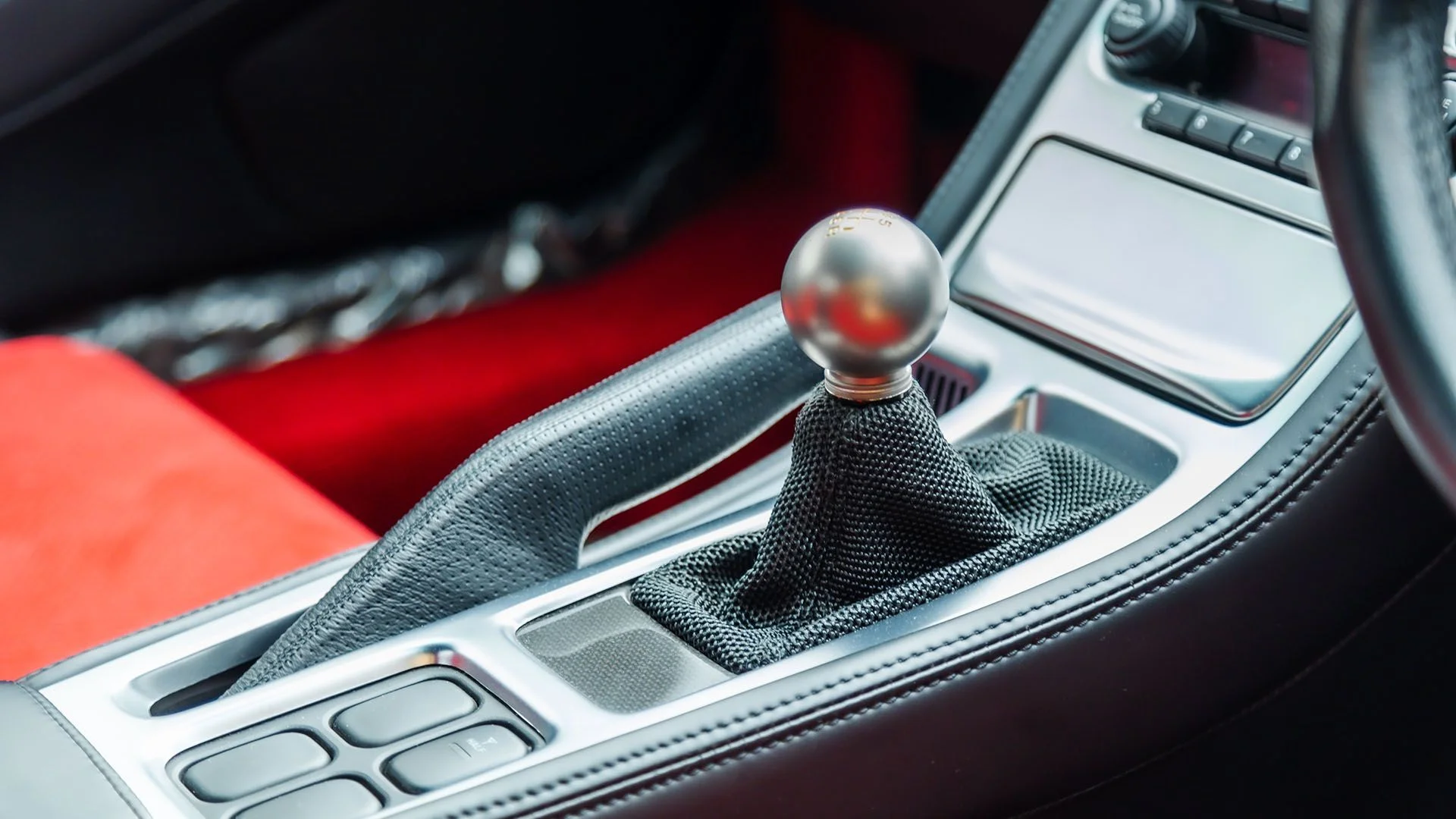
The driving position was commanding and precisely balanced, with all controls falling naturally to hand. The instrument binnacle featured comprehensive gauges displaying essential engine parameters—essential information for drivers exploiting the NSX’s full potential. The overall atmosphere emphasized that genuine track performance required accepting practical trade-offs: this was fundamentally a race car wearing legal credentials, not a luxury supercar with performance aspirations.
Specifications
- Engine: Honda C32B naturally aspirated V6, 3,179cc, DOHC per bank, four valves per cylinder, VTEC variable timing
- Power: 280 PS / 276 hp (official Gentleman’s Agreement rating) at 7,300 rpm
- Torque: 224 lb-ft / 304 N·m at 5,500 rpm
- Transmission: Six-speed manual, rear-wheel drive
- Chassis: All-aluminum monocoque, 2,530mm wheelbase
- Suspension: Independent double wishbones (front and rear), coil springs, sophisticated dampers
- Brakes: Ventilated discs 298mm (front), 303mm (rear), four-channel ABS
- Wheels: 17-inch forged BBS alloy (Championship White), performance tires
- Weight: 1,270 kg dry / 2,800 lbs
- Performance: 168 mph / 270 km/h top speed, 0-60 mph in approximately 4.5 seconds
Production and Legacy
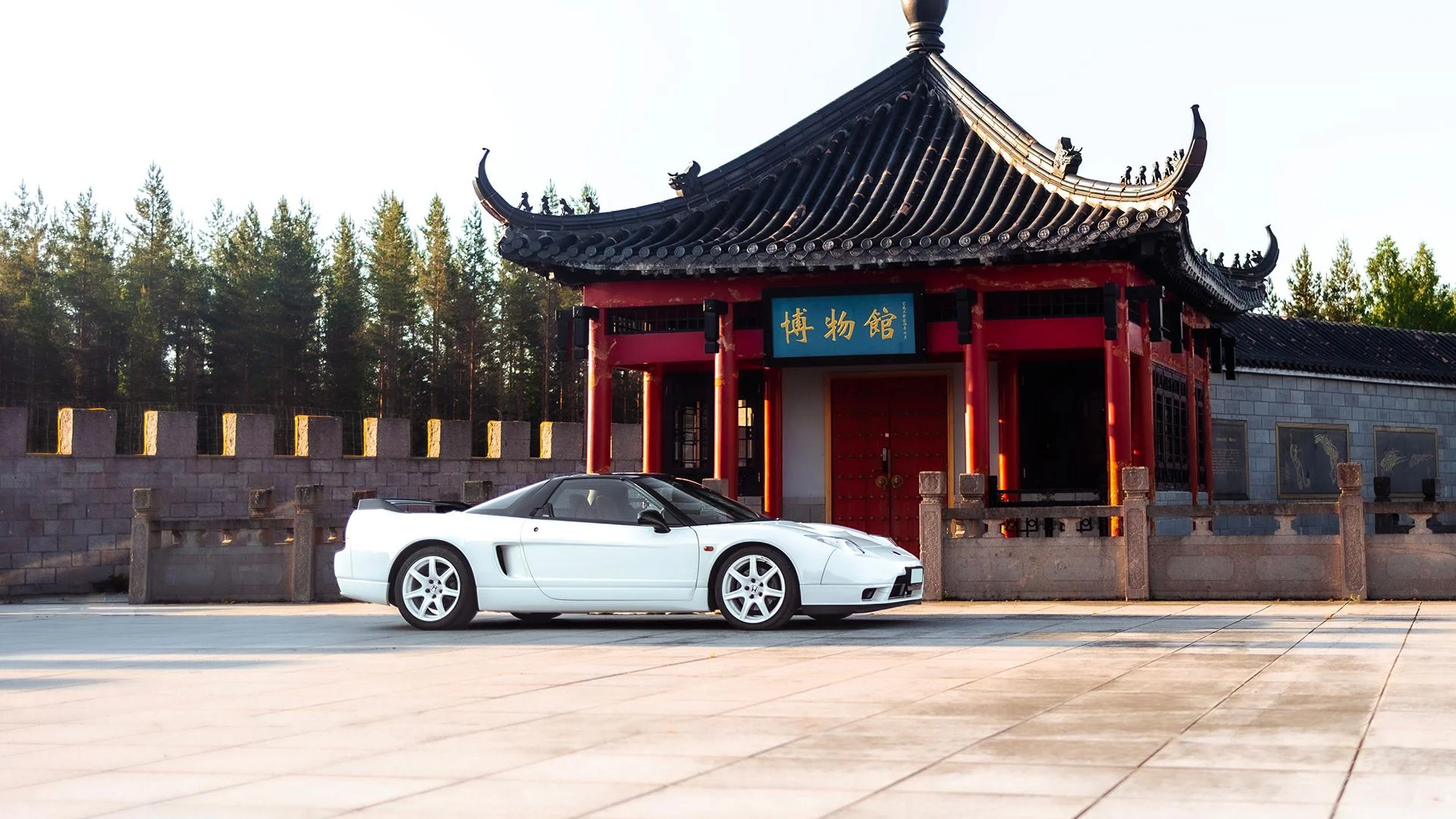
Honda hand-assembled approximately 281 NSX Type R examples at Takanezawa, Japan between 2002 and 2005. Production proceeded at deliberately limited capacity, with each car receiving meticulous assembly and comprehensive quality control reflecting Honda’s manufacturing excellence. The truncated production run reflected Honda’s deliberate exclusivity strategy, ensuring the Type R remained genuinely elite and extraordinarily rare among performance machines.
The NSX Type R proved that naturally aspirated engines could deliver supercar-competitive performance through intelligent engineering and radical weight reduction rather than forced induction. The combination of aluminum construction, high-revving V6 heritage, and sophisticated suspension geometry established unparalleled mechanical authenticity.
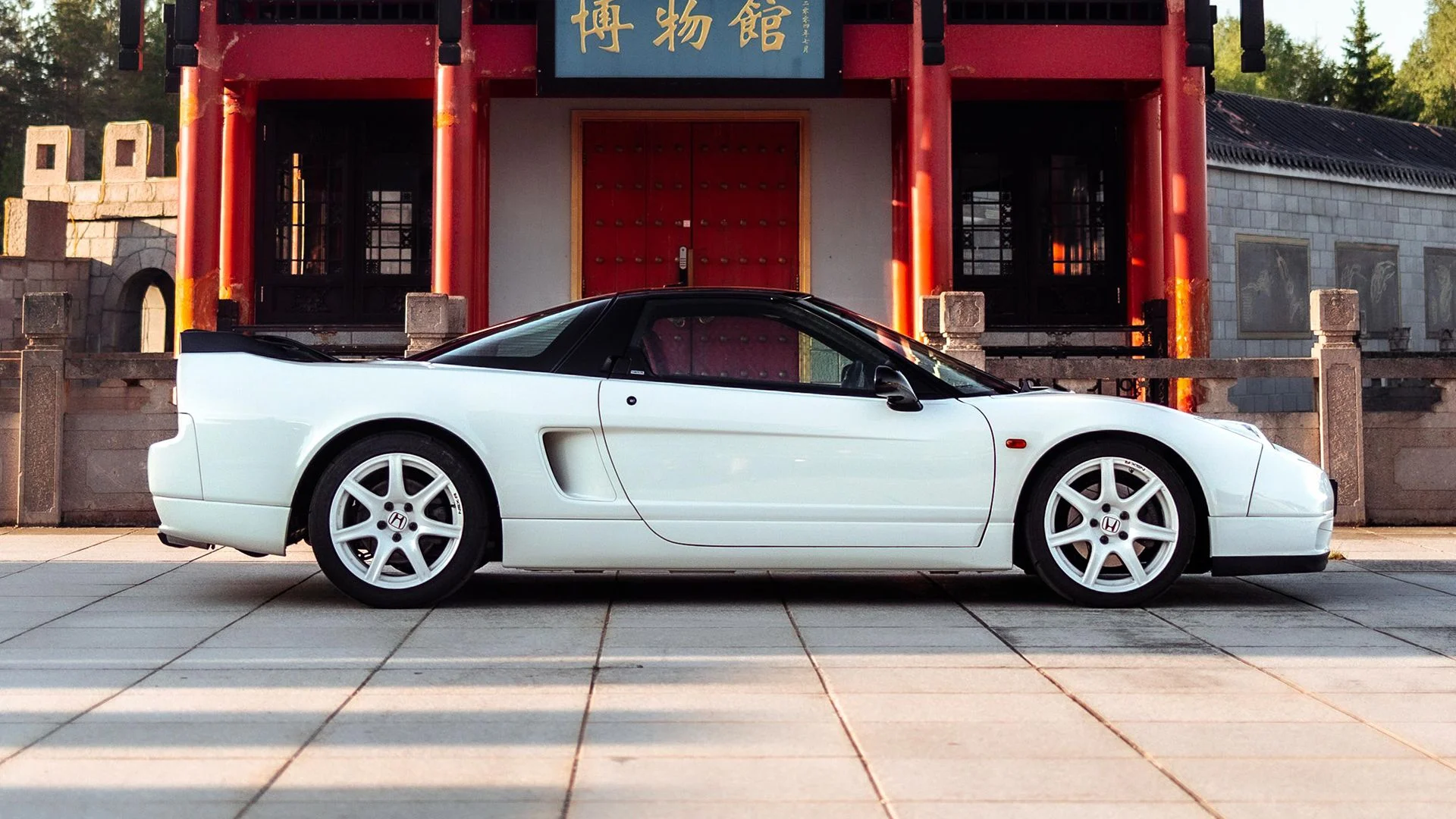
Today, NSX Type R examples command substantial collector prices reflecting their legendary status and engineering excellence. The combination of naturally aspirated character, aluminum chassis innovation, and Honda’s manufacturing precision has established immortal appeal among serious enthusiasts worldwide.
The Honda NSX Type R represented Tokyo at its most ambitious and uncompromising, celebrating naturally aspirated performance and mechanical refinement. It remains one of Honda’s greatest achievements, a masterpiece proving that engineering excellence and authentic track focus could create something genuinely transcendent.