
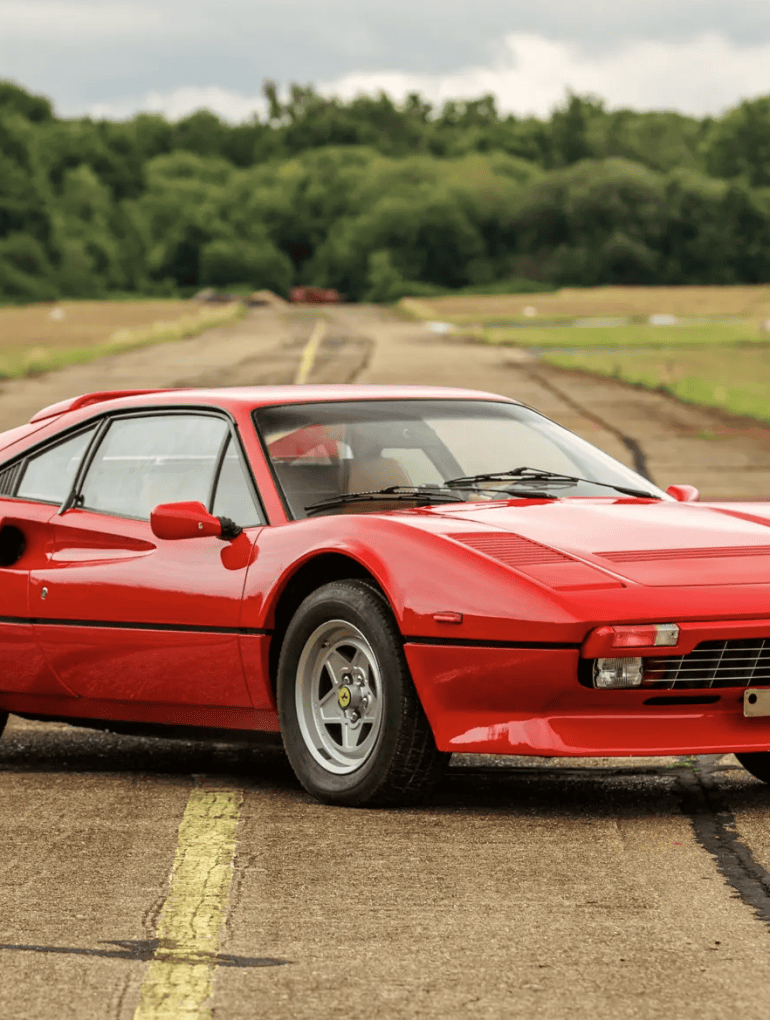

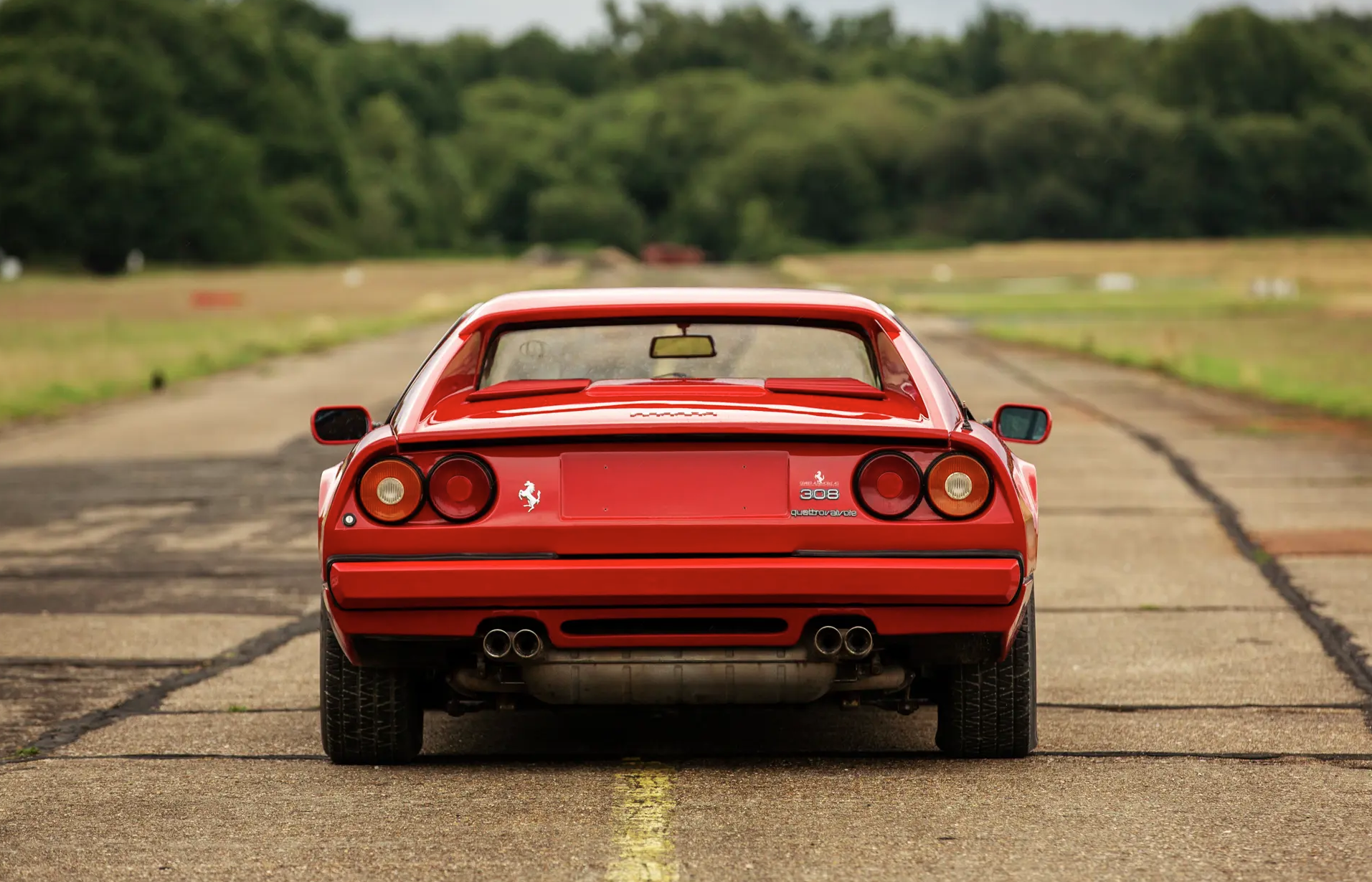
Paris Motor Show, October 1982. Ferrari unveiled the 308 GTB Quattrovalvole, representing a strategic engineering solution to emissions regulations that had compromised performance during the preceding GTBi era. The designation “Quattrovalvole”—Italian for “four valves”—celebrated the innovative four-valves-per-cylinder technology that restored the naturally aspirated V8’s authority following years of detuning imposed by stricter emission standards. The 2.9-liter mid-mounted V8 produced 240 horsepower at 7,000 rpm and 188 lb-ft of torque at 5,000 rpm in European specification, delivering authentic performance credentials matching contemporary supercars while maintaining the practical refinement expected from a genuine grand tourer.
This was Maranello’s statement that intelligent engineering could overcome regulatory constraints without requiring turbocharging or displacement sacrifice: the four-valve architecture provided the optimal solution to regain lost performance. The 308 GTB Quattrovalvole could achieve 158 mph while accelerating from 0 to 60 mph in approximately 5.8 seconds, establishing credentials proving that mechanical sophistication remained superior to forced induction compromise. Production ran from October 1982 through 1985, with exactly 748 GTB examples built alongside 3,042 GTS targa variants, establishing the Quattrovalvole as one of the most successful and respected 308 iterations.
Background and Origins
The 308 GTB Quattrovalvole emerged from deliberate engineering response to regulatory challenge rather than marketing whim. During the late 1970s, Ferrari powered the 308 GTB with a traditional naturally aspirated 3.0-liter carburetor V8 producing approximately 255 horsepower, establishing the car as a genuine competitor in the international supercar segment. However, 1980 brought fundamental change: increasingly stringent emissions regulations forced Ferrari to abandon carburetors for Bosch K-Jetronic fuel injection systems. While providing superior reliability and environmental compliance, this transition introduced an unwelcome consequence: output declined approximately 55 horsepower, with European models dropping to 211 horsepower and US variants achieving only 202 horsepower.
This performance loss, while politically necessary, proved commercially problematic. Customers recognized the deficiency when comparing the fuel-injected GTBi against turbocharged competitors maintaining performance despite emissions constraints. Ferrari management recognized that development of sophisticated four-valves-per-cylinder architecture—proven in racing applications—offered the optimal solution. Rather than abandon displacement or accept performance compromise, Maranello committed to comprehensive internal engine revision.
The engineering approach emphasized mechanical restoration without forced induction complexity. By implementing four valves per cylinder controlled by dual overhead camshafts with sophisticated valve timing management, Ferrari engineers increased breathing efficiency sufficiently to restore performance within natural aspiration parameters. This represented extraordinary engineering achievement: recovering lost power through intelligent design rather than compensatory technologies.
Design and Engineering
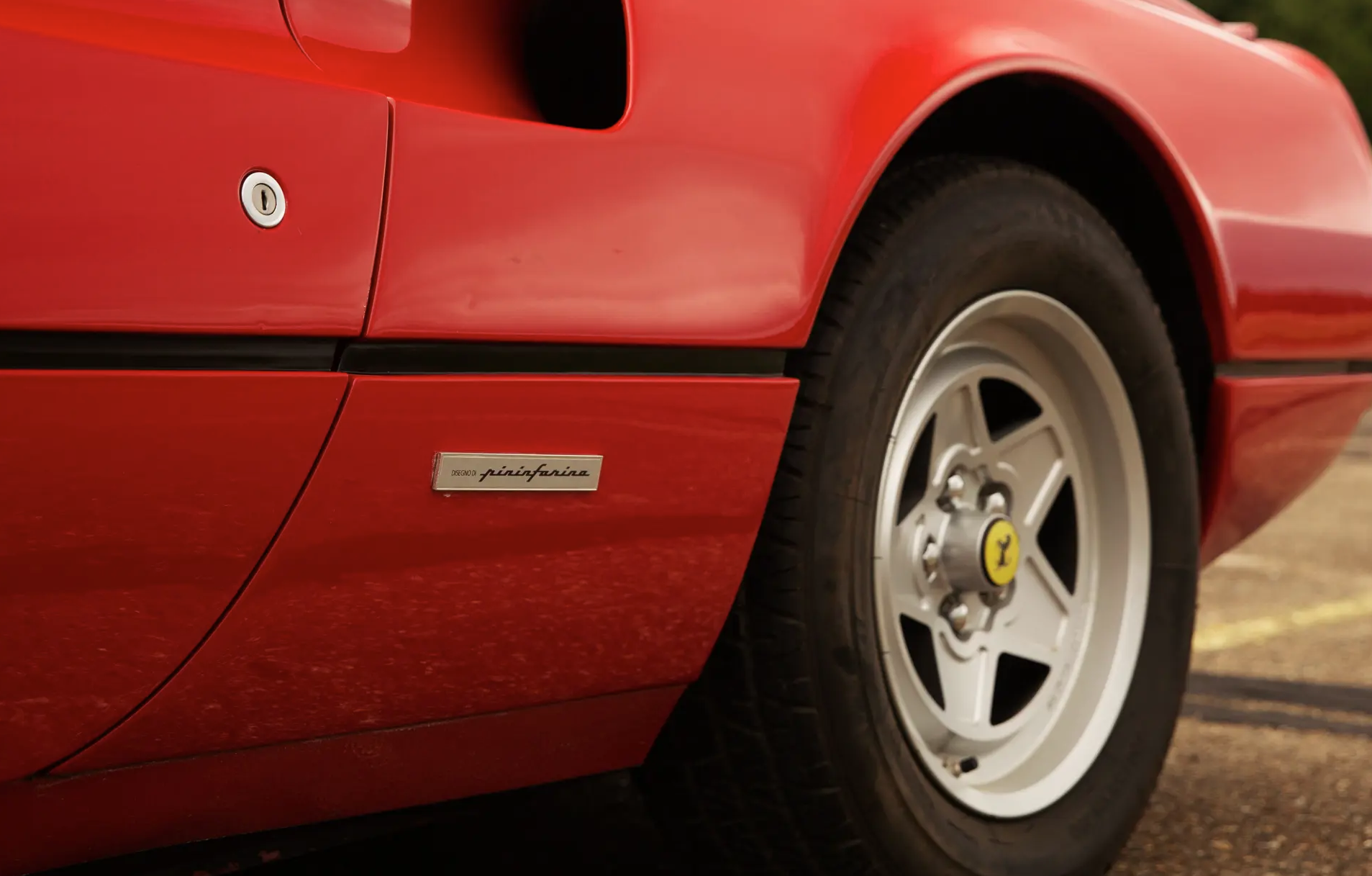
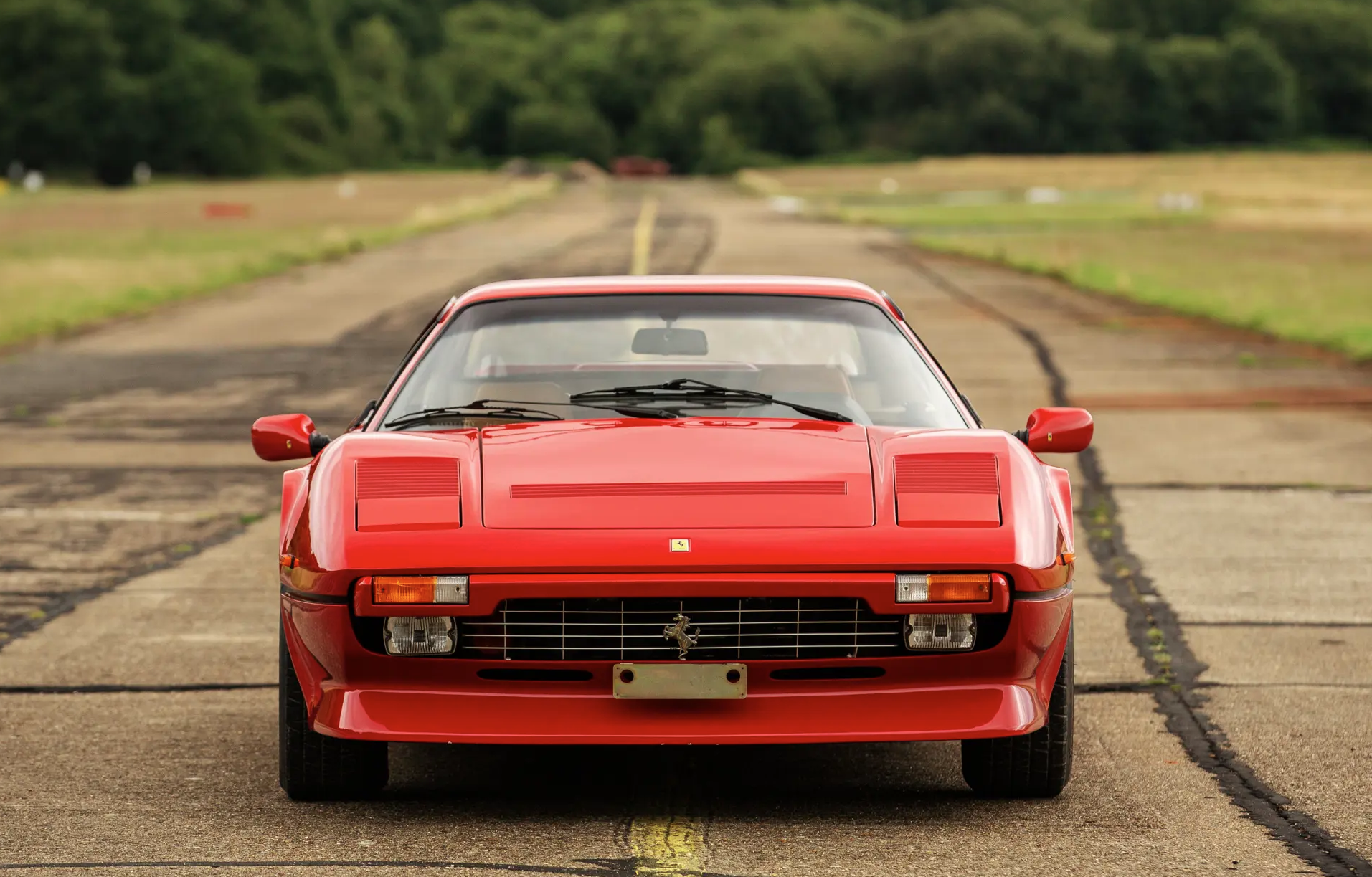
The 308 GTB Quattrovalvole retained Leonardo Fioravanti’s timeless Pininfarina design established in 1975, emphasizing that genuine performance didn’t require continuous visual updating. The low, sculpted profile emphasized elegant proportion rather than aggressive styling drama. Pop-up headlights integrated aerodynamically, while the mid-engine positioning remained evident through sculpted surfaces and pronounced rear fenders. The front lid featured a new louvre panel aiding radiator cooling airflow, while revised bumpers incorporated rectangular fog lamps providing practical visibility enhancement.
The chassis utilized a steel tubular construction providing exceptional rigidity while maintaining reasonable weight. Independent double-wishbone suspension front and rear incorporated coil springs and sophisticated dampers, the geometry precisely tuned for responsive handling while maintaining the refinement expected from a genuine grand tourer capable of extended European journeys.
Braking was by four-wheel disc systems with dual hydraulic circuits providing excellent stopping power and reliability. The 308 series never received anti-lock braking technology throughout its entire production run from 1975 through 1985, a limitation reflecting the technology’s immaturity for road-car application during that era.
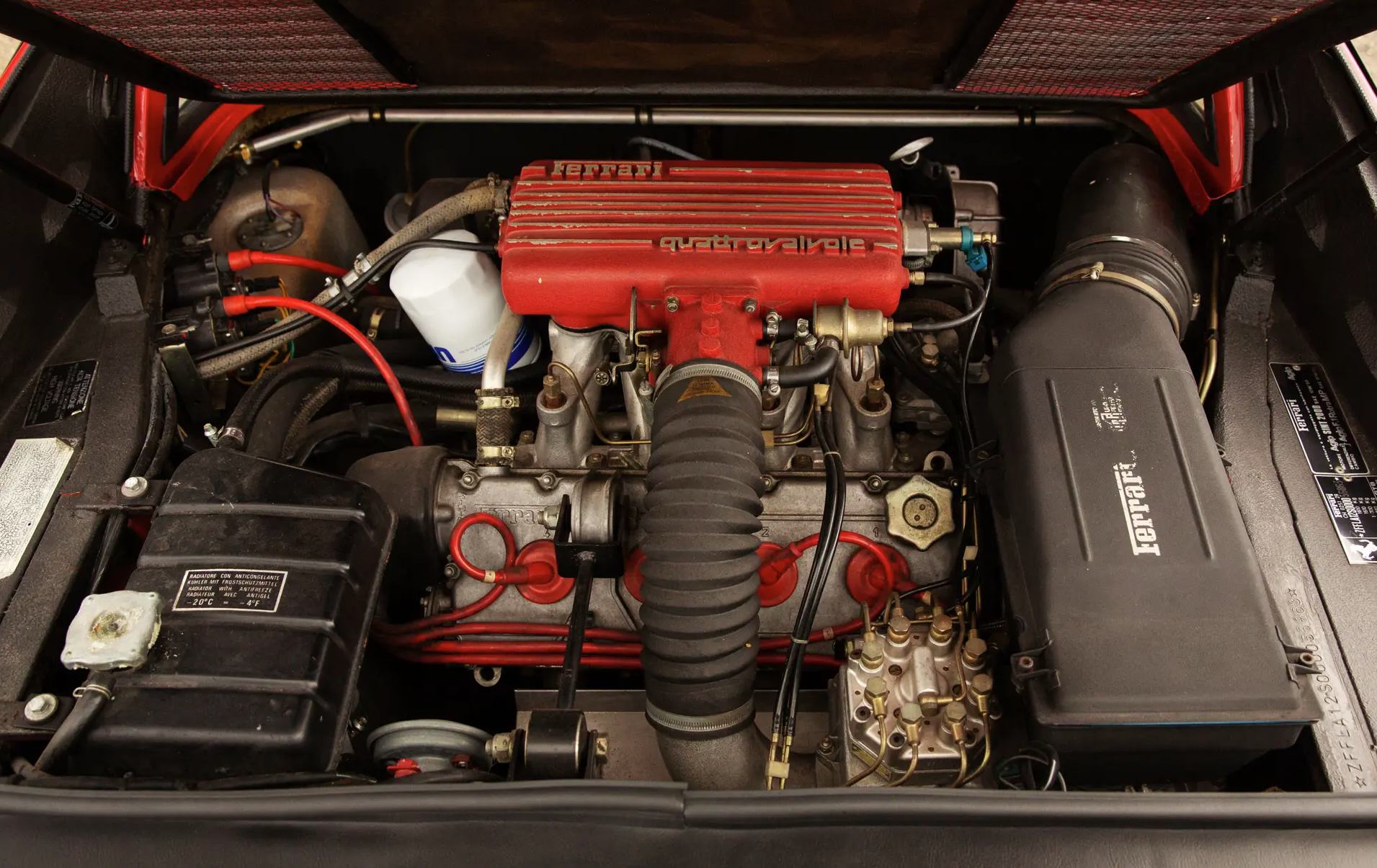
The F105AB naturally aspirated V8 displaced 2,927cc in a 90-degree configuration with transverse mounting in unit with the five-speed manual transmission. Belt-driven dual overhead camshafts per bank controlled four valves per cylinder—the revolutionary architecture that defined the Quattrovalvole designation. The European specification featured a 9.2:1 compression ratio optimized for premium fuel, while US-market models employed an 8.6:1 ratio accommodating lower-octane unleaded gasoline and catalytic converter requirements. The engine delivered 240 horsepower at 7,000 rpm in European form and 233 horsepower at 6,800 rpm in US specification, with 188 lb-ft of torque at 5,000 rpm across both variants.
The power delivery was distinctly high-revving, requiring disciplined driving through the five-speed manual gearbox to access full performance potential. The limited-slip differential managed torque delivery effectively, distributing power to rear wheels while the suspension geometry controlled chassis balance during spirited acceleration. This emphasis on driver engagement and mechanical response reflected Ferrari philosophy emphasizing authentic performance over technological complexity.
Styling
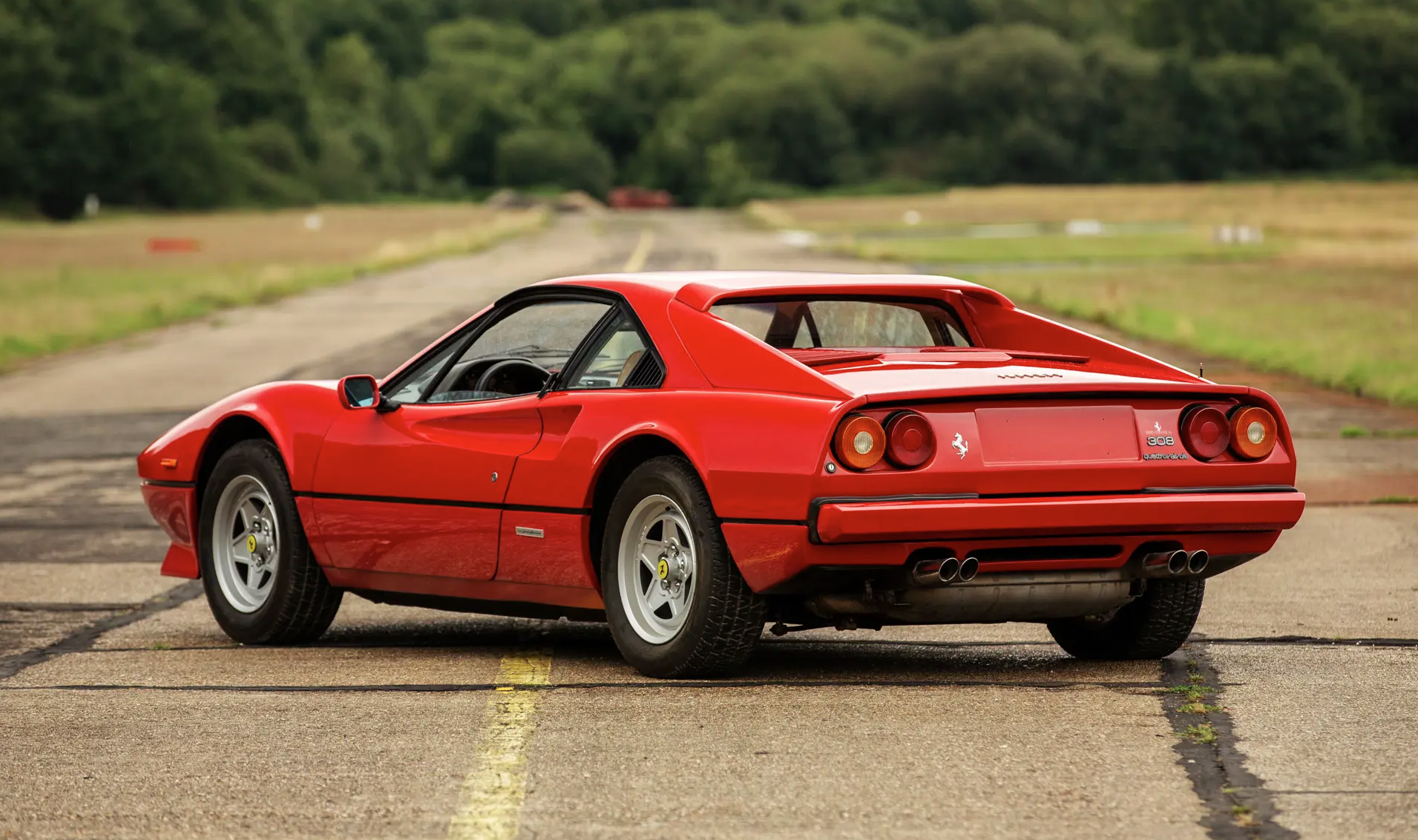
Leonardo Fioravanti’s design language, while seven years old at introduction, remained strikingly contemporary. The elegant proportions, refined line work, and functional form-follows-function approach emphasized that genuine performance required no theatrical styling embellishment. The pop-up headlights, integrated air intakes, and minimal bumper integration reflected an era when beauty and function remained unified concepts.
Most 308 GTB Quattrovalvole examples were finished in traditional Ferrari colors: Rosso Corsa red celebrating racing heritage, deep metallic blacks, or elegant silvers, allowing the car’s proportions to dominate rather than graphic ornamentation or aggressive color treatment.
Interior
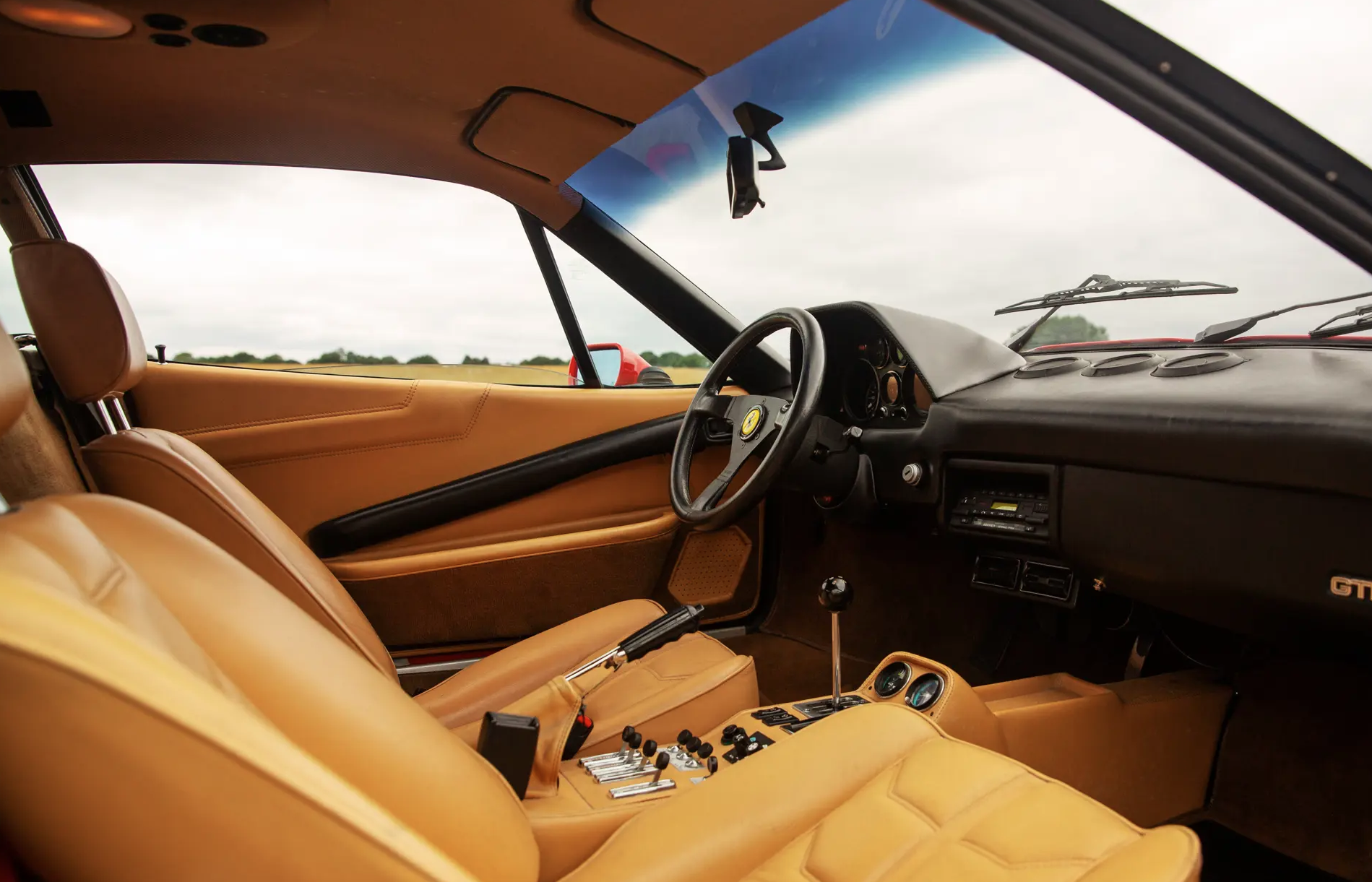
The cabin emphasized driver engagement combined with practical luxury. High-quality leather seats provided excellent lateral support during spirited driving while maintaining comfort for extended road journeys. The driving position was commanding and ergonomically balanced, with all controls falling naturally to hand. The instrument binnacle featured comprehensive gauges essential for exploiting the naturally aspirated engine’s full potential, including tachometer, fuel level, oil temperature, and oil pressure.
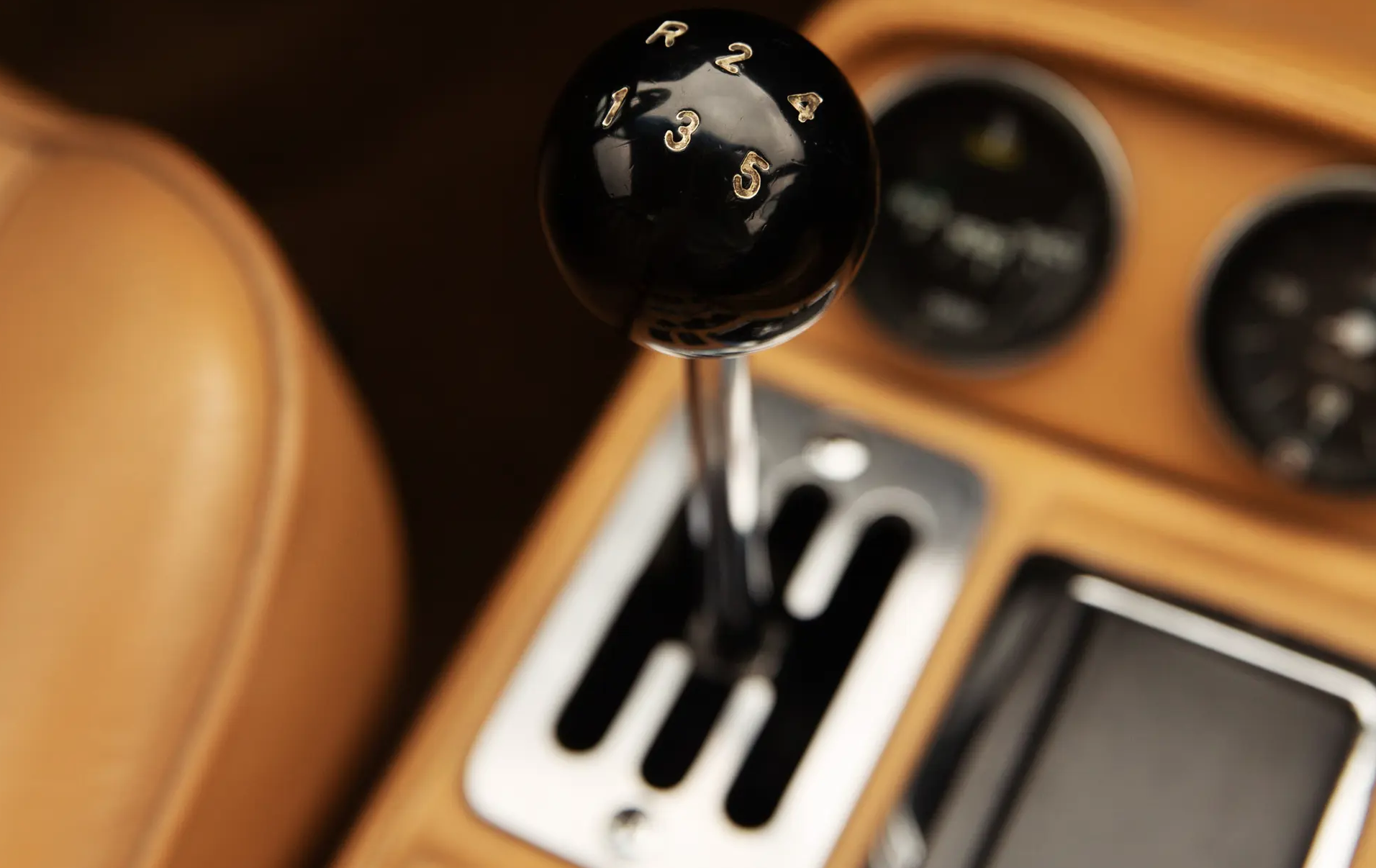
Standard equipment included functional climate control and quality interior appointments reflecting Ferrari’s commitment to refined daily usability despite the car’s performance orientation. The overall atmosphere balanced racing-derived functionality with genuine luxury appropriate for customers prepared to invest substantially in exclusive performance.
Specifications
- Engine: Ferrari F105AB naturally aspirated V8, 2,927cc, DOHC per bank, four valves per cylinder
- Power: 240 PS / 237 hp (European, 9.2:1 compression) at 7,000 rpm; 233 hp (US spec, 8.6:1 compression) at 6,800 rpm
- Torque: 188 lb-ft / 255 N·m at 5,000 rpm
- Transmission: Five-speed manual, rear-wheel drive
- Chassis: Steel tubular construction with steel/aluminum body panels, 2,450mm wheelbase
- Suspension: Independent double wishbones (front and rear), coil springs
- Brakes: Four-wheel ventilated discs with dual hydraulic circuits
- Wheels: 16-inch alloy, performance tires
- Weight: 1,320 kg / 2,910 lbs (coupe)
- Performance: 158 mph / 255 km/h top speed, 0-60 mph in 5.8 seconds (European GTB)
Production and Legacy
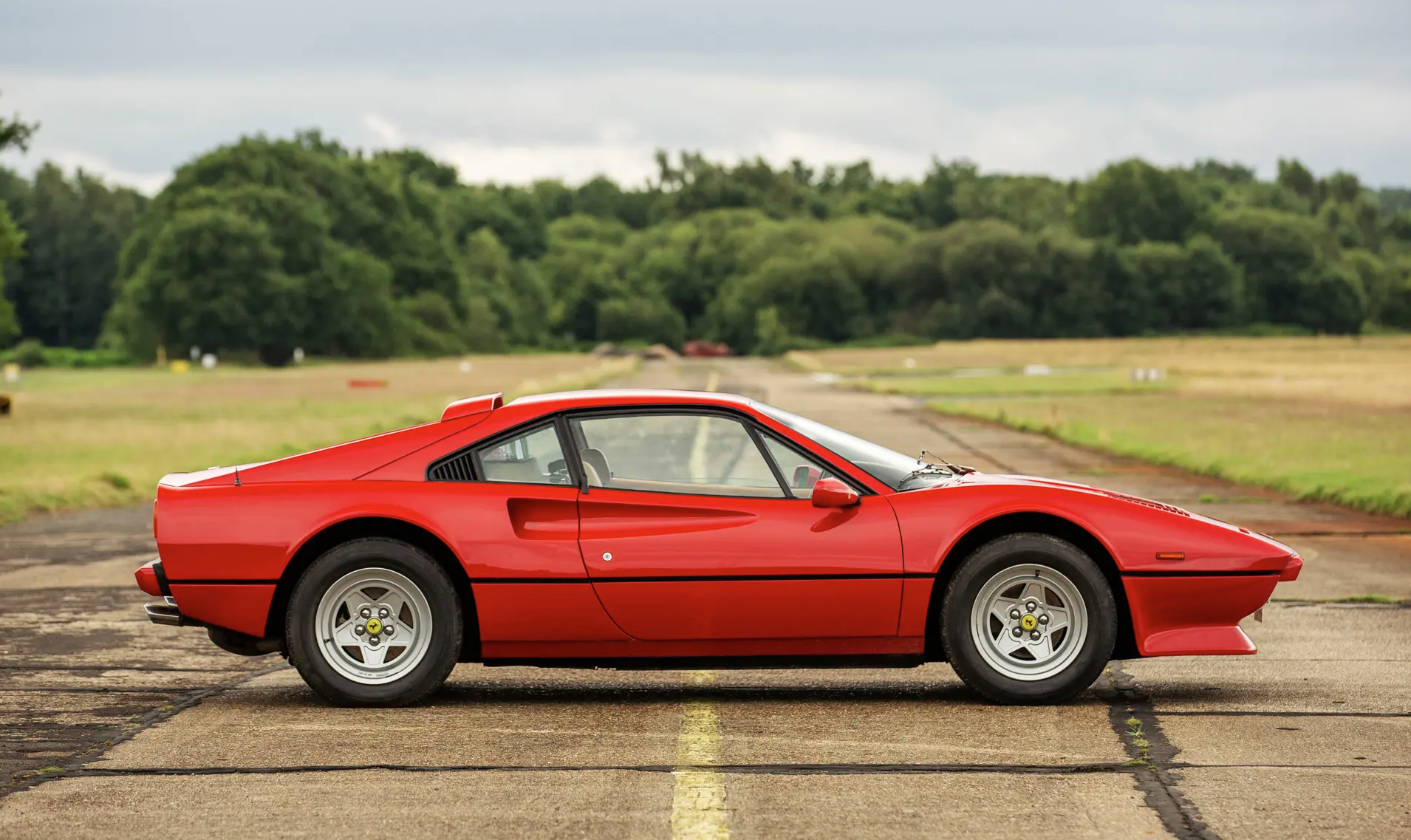
Ferrari hand-assembled 748 308 GTB Quattrovalvole examples and 3,042 GTS variants between October 1982 and 1985 at Maranello. The extended production of the GTS variant reflected demand for the removable targa roof offering open-air driving versatility. The Quattrovalvole variants proved extraordinarily successful, establishing themselves among the most respected 308 iterations for balanced performance, reliability, and accessibility.
Special edition variants emerged during production, most notably examples featuring Daytona seats and specific interior color combinations reflecting individual customer preferences. The car achieved legendary popular culture status through its appearance in the television series “Magnum, P.I.,” with Tom Selleck’s iconic red 308 GTS establishing the car as synonymous with 1980s automotive desirability. The targa-roof configuration proved essential, accommodating Selleck’s 6’4″ stature while enabling clear camera shots during driving sequences.
The 308 GTB Quattrovalvole proved that sophisticated engineering could overcome regulatory constraints without technological compromise. The combination of four-valve efficiency, mechanical reliability, and balanced performance established templates influencing supercar development for decades.
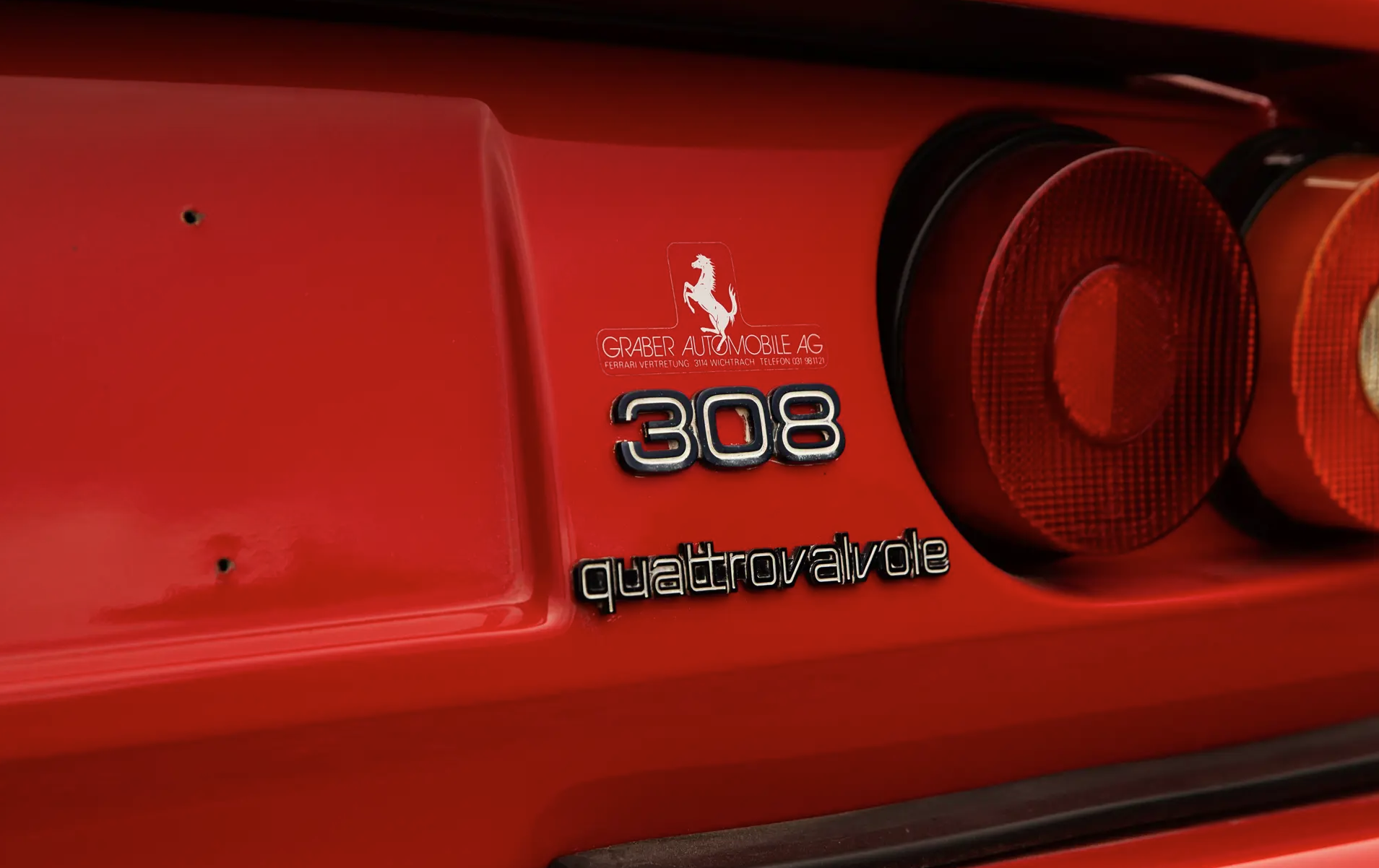
Today, Quattrovalvole examples command strong collector appreciation reflecting their legitimate performance credentials and design timelessness. The combination of Fioravanti design excellence, four-valve engineering innovation, and genuine performance credentials ensures lasting appeal among serious Ferrari enthusiasts.
The Ferrari 308 GTB Quattrovalvole represented Maranello at its most pragmatic and accomplished, proving that intelligent engineering could restore performance without abandoning principle. It remains one of Ferrari’s greatest achievements, a masterpiece establishing that mechanical sophistication remained preferable to technological compromise.