

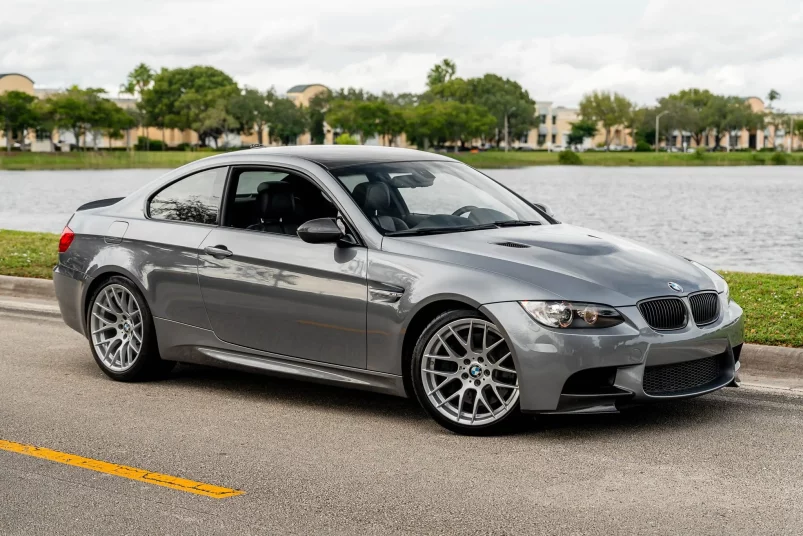
Frankfurt, September 2007. BMW unveiled the fourth-generation M3 at the Frankfurt Motor Show, and for the first time, the M3 had a V8. The E92 M3 Coupe was powered by the 4.0-liter S65 engine, which produced 414 hp at 8,300 rpm and revved to 8,400 rpm, giving it a character closer to a racing car than any M3 before it. A carbon-fiber roof, an aluminum hood with a raised power dome and wide, muscular fenders set it apart from the regular 3 Series Coupe. With a six-speed manual or, from 2008, a seven-speed M-DCT dual-clutch transmission, it could reach 62 mph in under five seconds. The E92 formed the basis for the M3 GT2 that won the Nürburgring 24 Hours and back-to-back ALMS titles, and for the M3 DTM that gave BMW the DTM championship on its return to the series in 2012. Built until 2013, it remains the only M3 with a naturally aspirated V8 and one of the most celebrated M cars ever made.
Background and Origins
BMW launched the fifth-generation 3 Series in 2005, starting with the E90 Sedan, and followed it with the E92 Coupe. The M3 version was a major change from the E46 M3 it replaced. The E46 had used a high-revving inline-six, but for the fourth generation, BMW M chose a V8 for the first time. The new engine shared significant engineering DNA with the S85 V10 used in the contemporary M5 and M6. It kept BMW M’s focus on high revs and natural aspiration, but it was developed specifically for the M3 as a lighter, more compact unit.
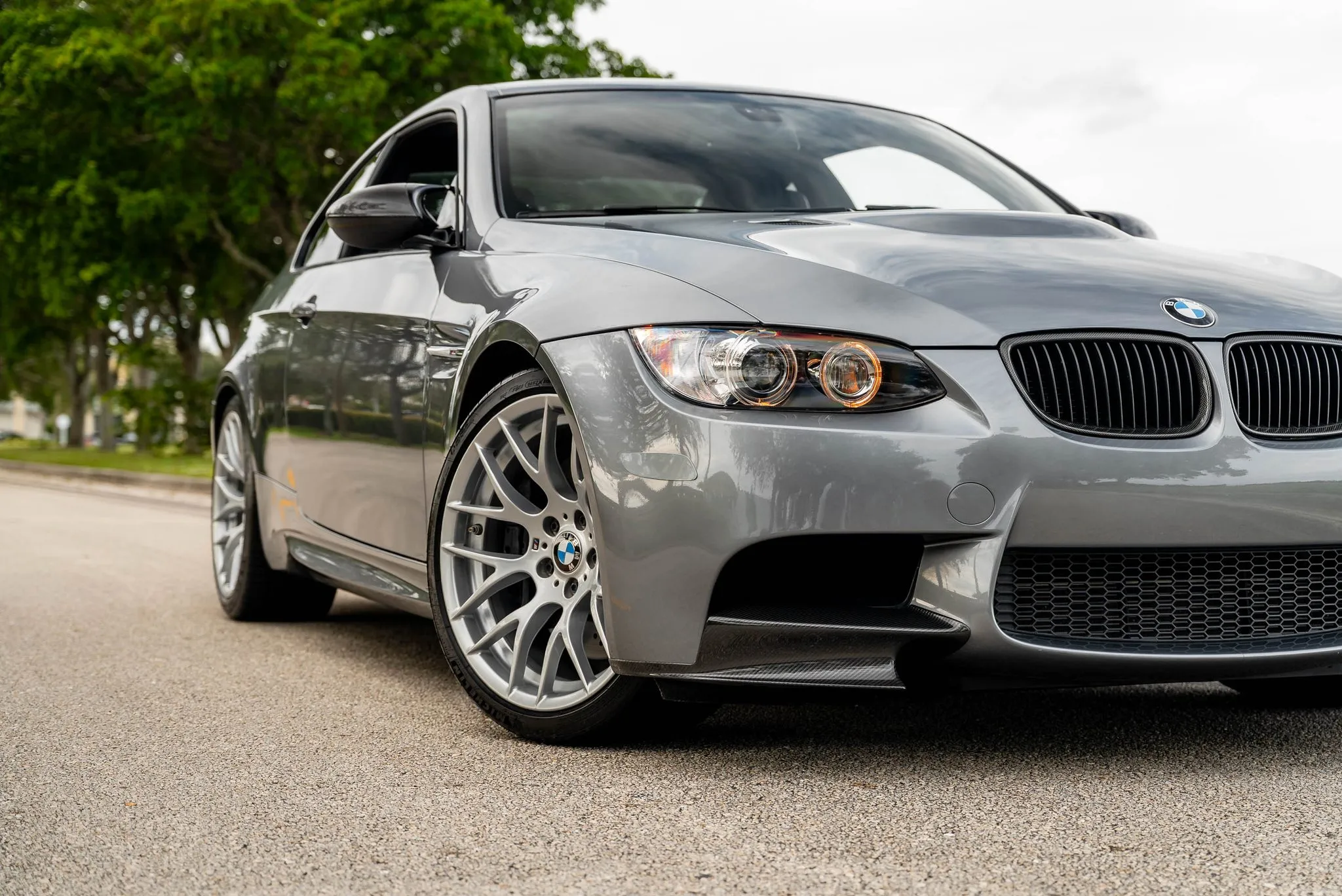
The production M3 debuted in E92 Coupe form at Frankfurt in September 2007, with production already underway at BMW’s Regensburg plant. The coupe was the core of the range, and it was soon joined by the E90 Sedan, shown at Tokyo a month later, and the E93 Convertible in 2008. The coupe remained the most popular and most performance-focused version of the fourth-generation M3.
Design and Engineering
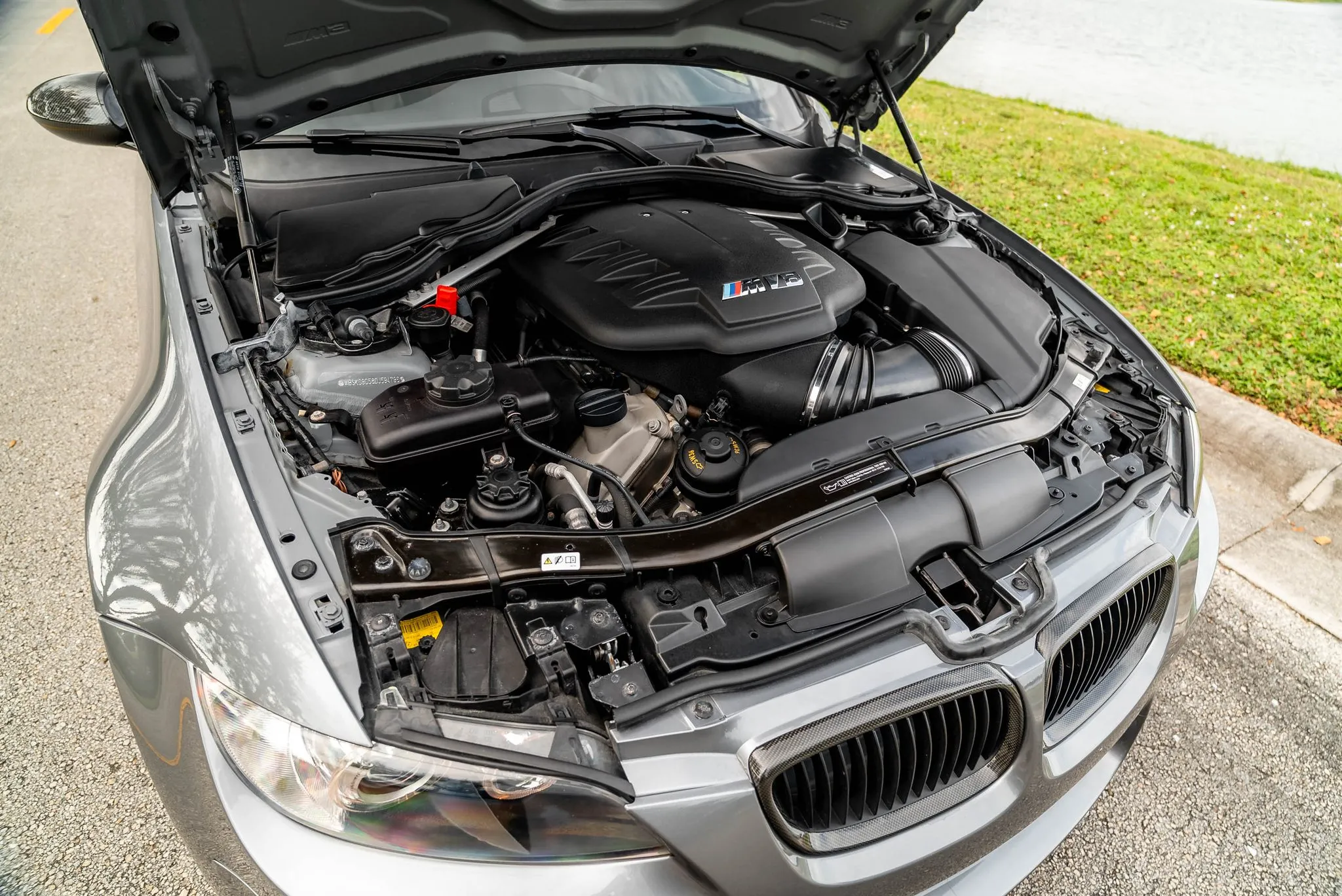
The heart of the M3 was the S65, a 3,999cc 90-degree V8 with a light-alloy block, eight individual throttle bodies, double-VANOS variable valve timing and a 12.0:1 compression ratio. BMW rated it at 414 hp (420 PS) at 8,300 rpm and 295 lb-ft of torque at 3,900 rpm, with 85 percent of peak torque available across a 6,500-rpm operating range. Maximum engine speed was 8,400 rpm. At 202 kilograms, the V8 was 15 kilograms lighter than the E46 M3’s S54 inline-six, despite having two more cylinders.
At launch, the M3 came with a six-speed manual gearbox. In early 2008, BMW added an optional seven-speed M-DCT dual-clutch transmission developed with Getrag, the first dual-clutch gearbox offered by BMW and one designed specifically for a high-revving engine. Power went to the rear wheels through a Variable M Differential Lock. The chassis used an all-aluminum MacPherson strut front and multi-link rear suspension with M-specific geometry, along with two-piece compound brakes. Electronic Damper Control (EDC) with three settings was optional, and the M Drive button, depending on market and equipment, let drivers save their preferred settings for the engine, dampers, steering and stability control. The coupe could reach 62 mph in 4.8 seconds with the manual gearbox, or 4.6 seconds with M-DCT. Top speed was electronically limited to 155 mph, or 174 mph with the optional M Driver’s Package.
Styling
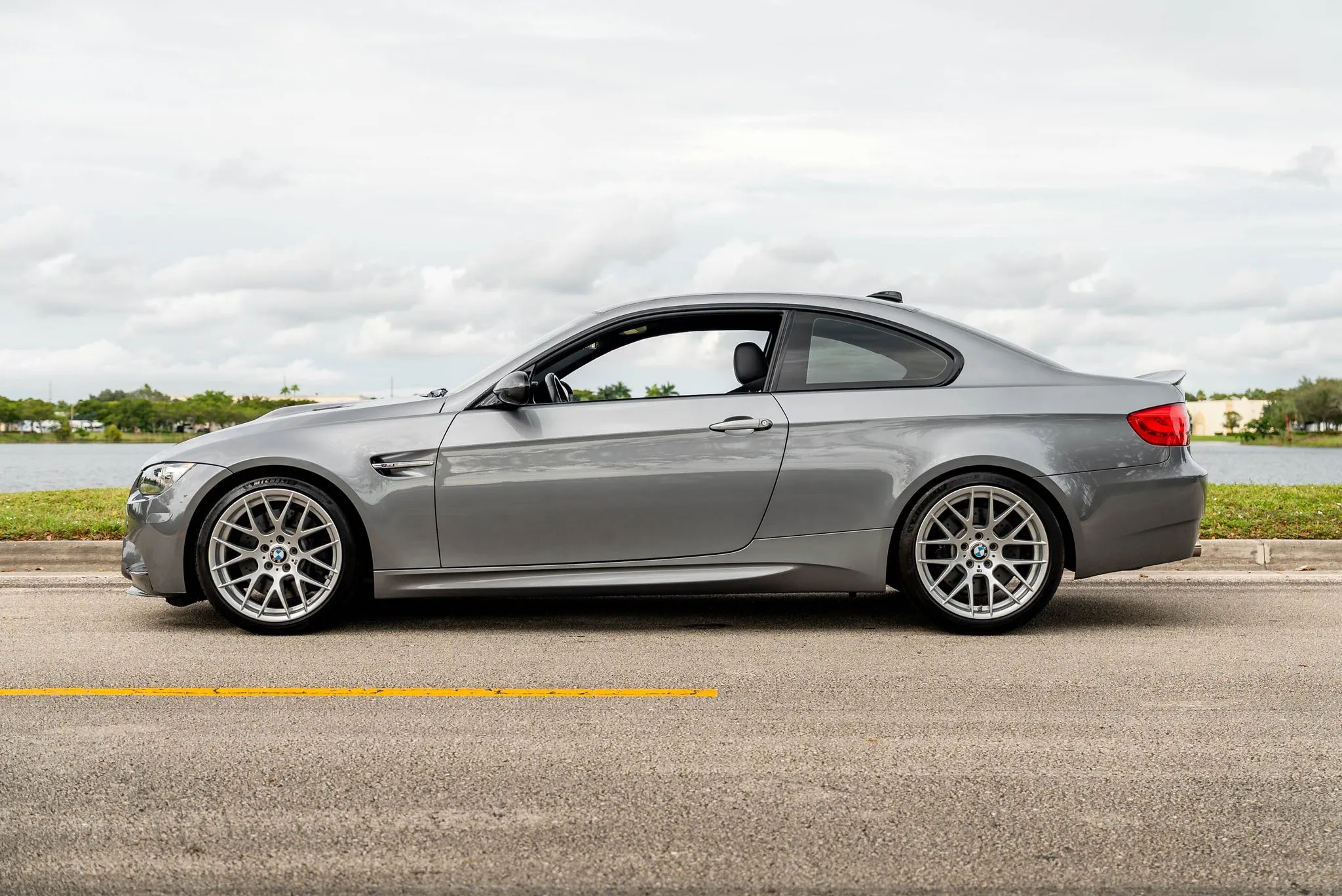
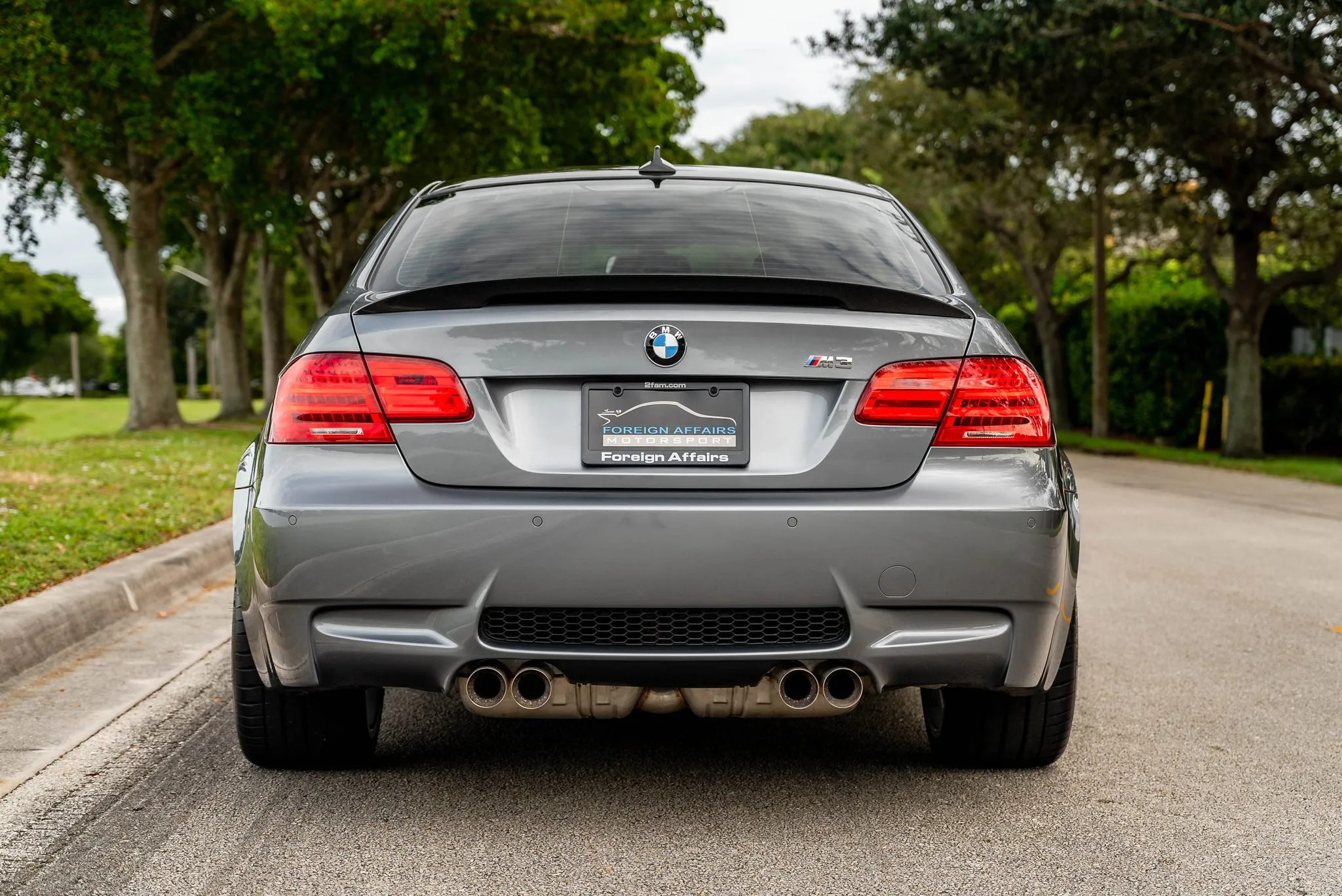
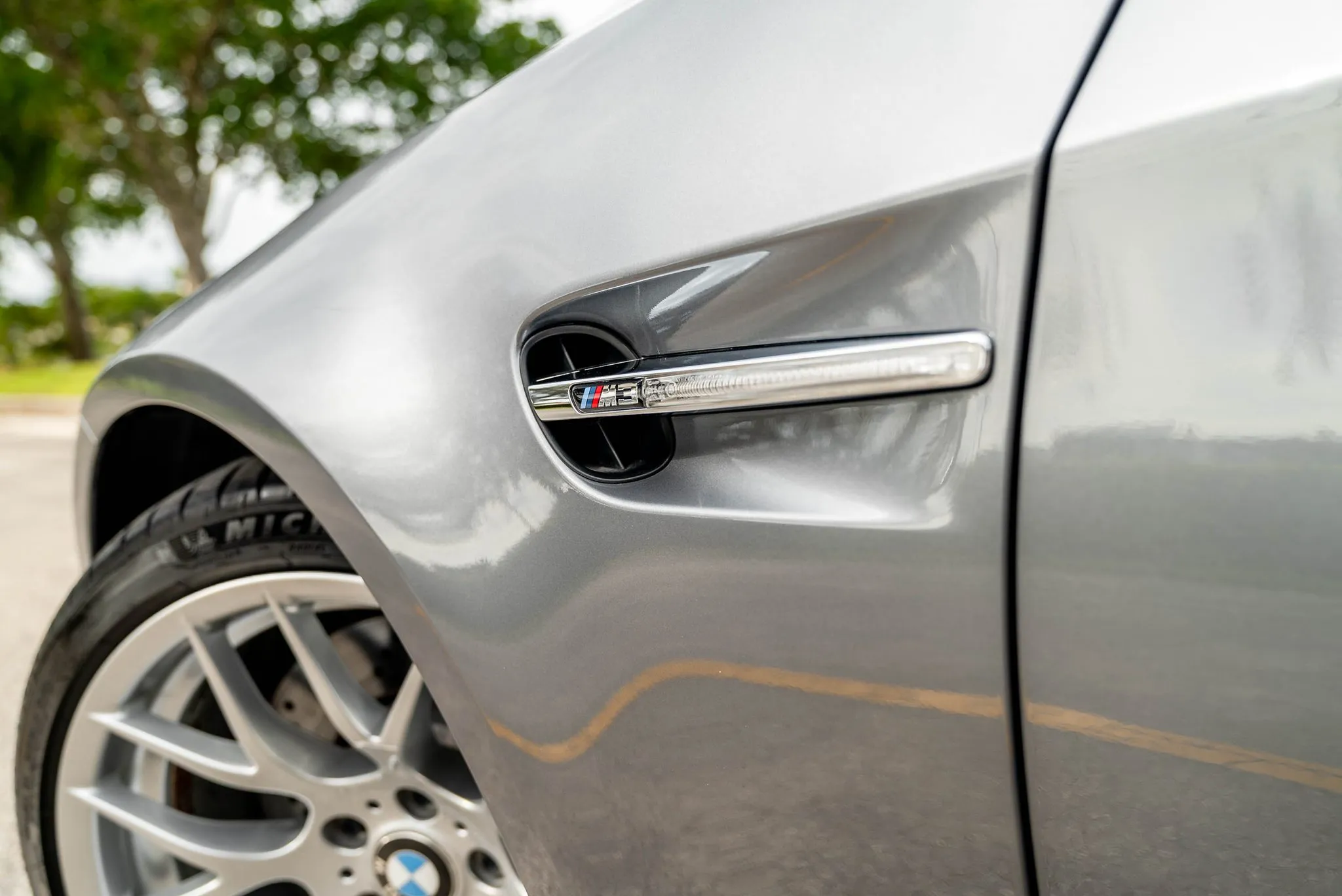
The E92 M3 shared its basic shape with the regular 3 Series Coupe, but almost every panel was different. It had wider front fenders with M gills, a sculpted aluminum hood with a raised power dome for the V8, a deeper front bumper with large air intakes and a rear diffuser with four exhaust tips. The most distinctive feature was its carbon-fiber roof, which reduced weight and lowered the center of gravity, and its exposed weave made it easy to identify. A discreet rear spoiler, M mirrors and 18-inch wheels, with 19-inch wheels available, completed the look. The result was more muscular and aggressive than the regular coupe, but still clean and understated by later M car standards.
Interior
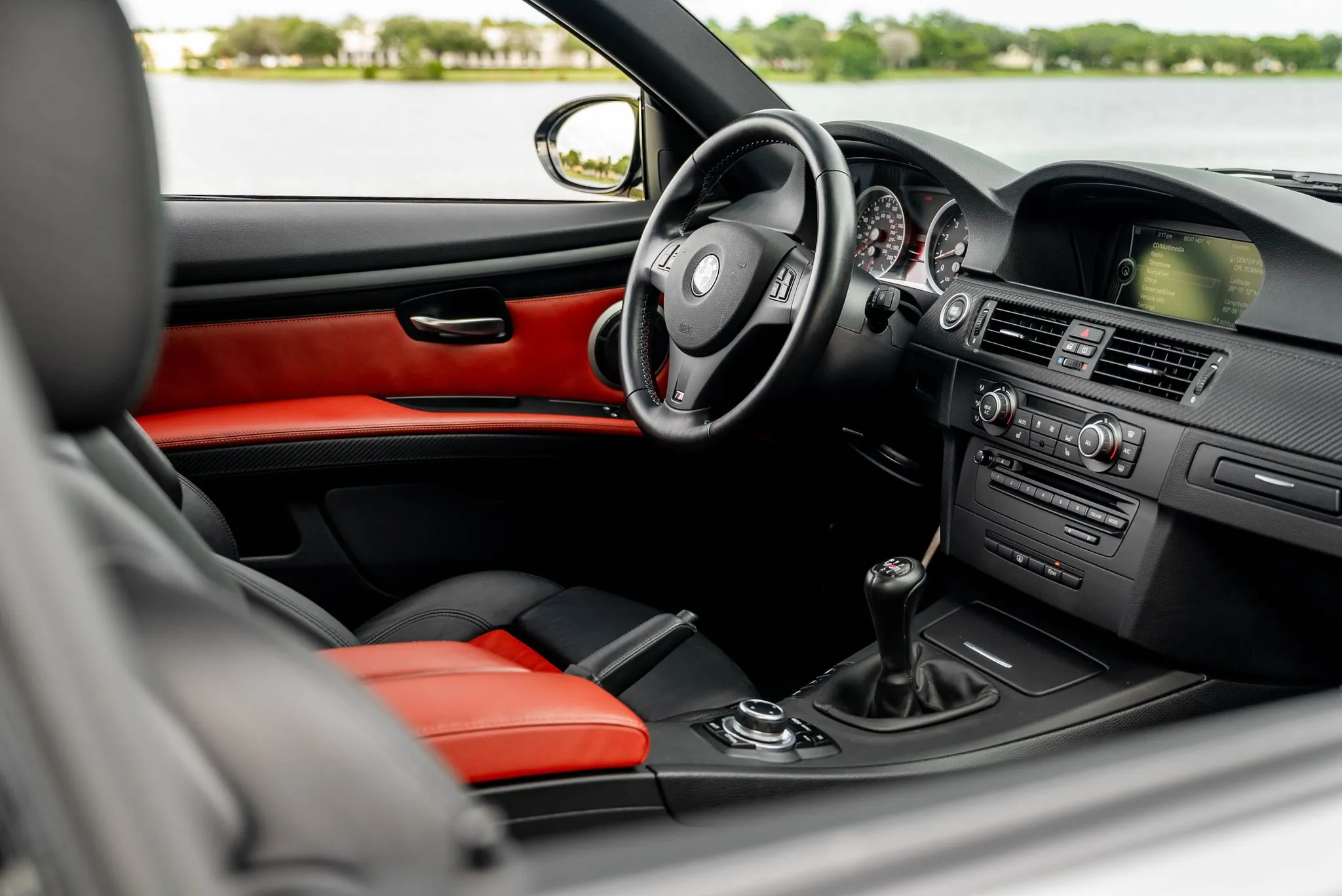
Inside, the M3 Coupe combined everyday comfort with M-specific touches. It had supportive M sport seats, a thick-rimmed M steering wheel and M instruments with a variable redline warning that adjusted to engine temperature, showing when the engine was ready for higher revs. Equipment included iDrive and navigation, depending on market, along with leather upholstery and carbon-fiber or aluminum trim. The coupe seated four, with reasonable rear-seat space for its class, making it a high-performance car that could still be used every day.
Racing History
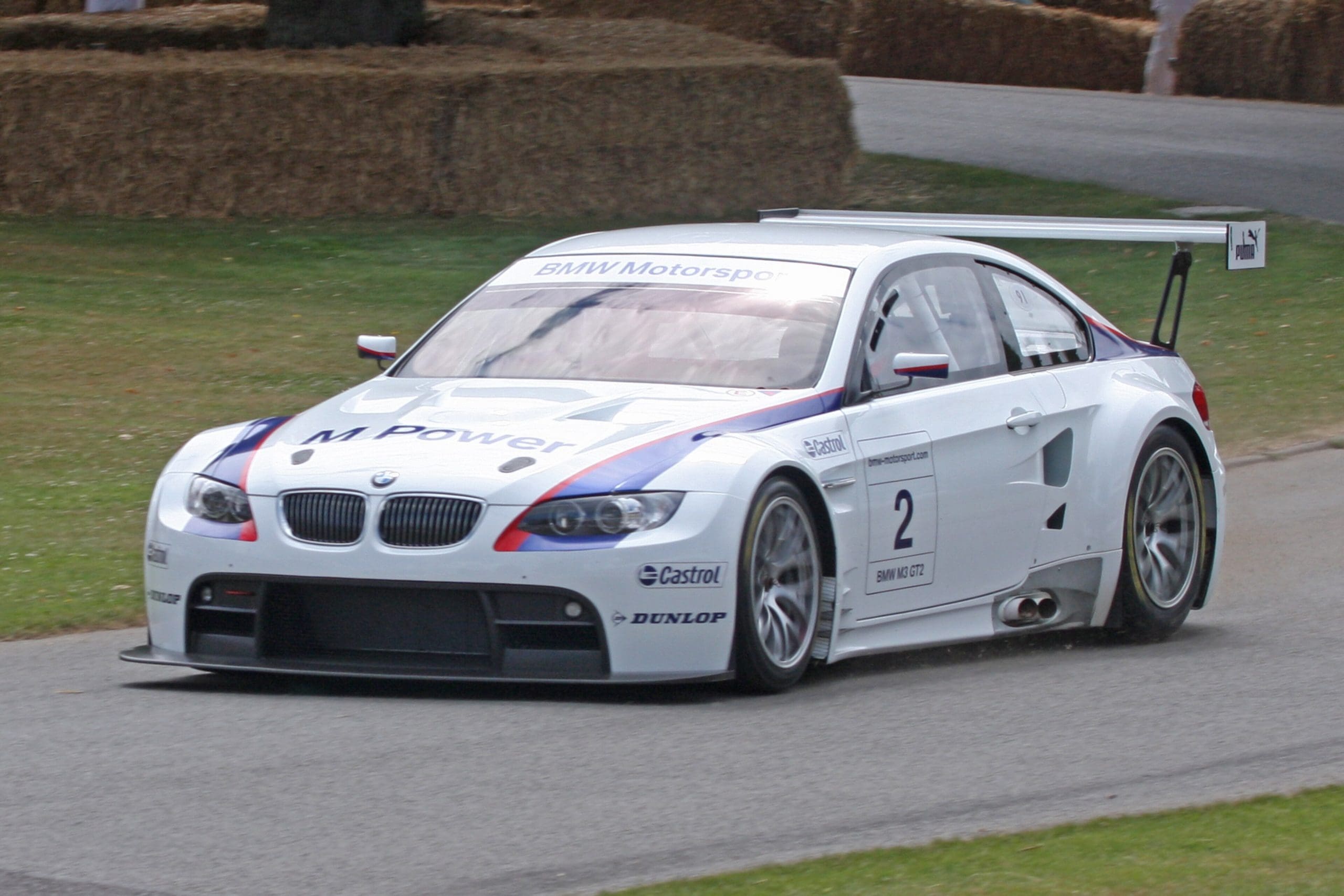
The E92 M3 had an outstanding competition career. The M3 GT2 made its debut in the American Le Mans Series in 2009 with Rahal Letterman Racing. In 2010, it won the ALMS GT team and manufacturer championships, giving BMW its first ALMS titles since 2001, and in 2011 it swept the GT drivers’, team and manufacturer titles. In 2010, the M3 GT2 also took an outright win at the Nürburgring 24 Hours, completing 154 laps with Jörg Müller, Augusto Farfus, Pedro Lamy and Uwe Alzen driving. That same year, the No. 79 M3 GT2 designed by Jeff Koons became BMW’s 17th Art Car and raced at Le Mans. The GT2 also won its class at the Zhuhai round of the Intercontinental Le Mans Cup in both 2010 and 2011.
When BMW returned to the DTM in 2012 after a 20-year absence, it did so with the M3 DTM. It was a purpose-built racing car with a carbon-fiber monocoque and silhouette bodywork inspired by the E92 M3 Coupe. It made a successful return, with BMW Team Schnitzer’s Bruno Spengler winning the drivers’ championship, while BMW also claimed the teams’ and manufacturers’ titles. To celebrate, BMW built the M3 DTM Champion Edition road car.
Specifications
- Engine: S65 90-degree V8, 3,999cc, DOHC, 32 valves, double-VANOS, eight individual throttle bodies, 12.0:1 compression
- Power: 414 hp (420 PS) at 8,300 rpm
- Torque: 295 lb-ft at 3,900 rpm
- Maximum engine speed: 8,400 rpm
- Transmission: Six-speed manual or seven-speed M-DCT dual-clutch (from 2008), Variable M Differential Lock, rear-wheel drive
- Suspension: Aluminum MacPherson strut front, aluminum multi-link rear, optional EDC
- Brakes: Two-piece compound discs front and rear
- Performance: 0-62 mph in 4.9 seconds (manual), top speed electronically limited to 155 mph (174 mph with M Driver’s Package)
Production and Legacy
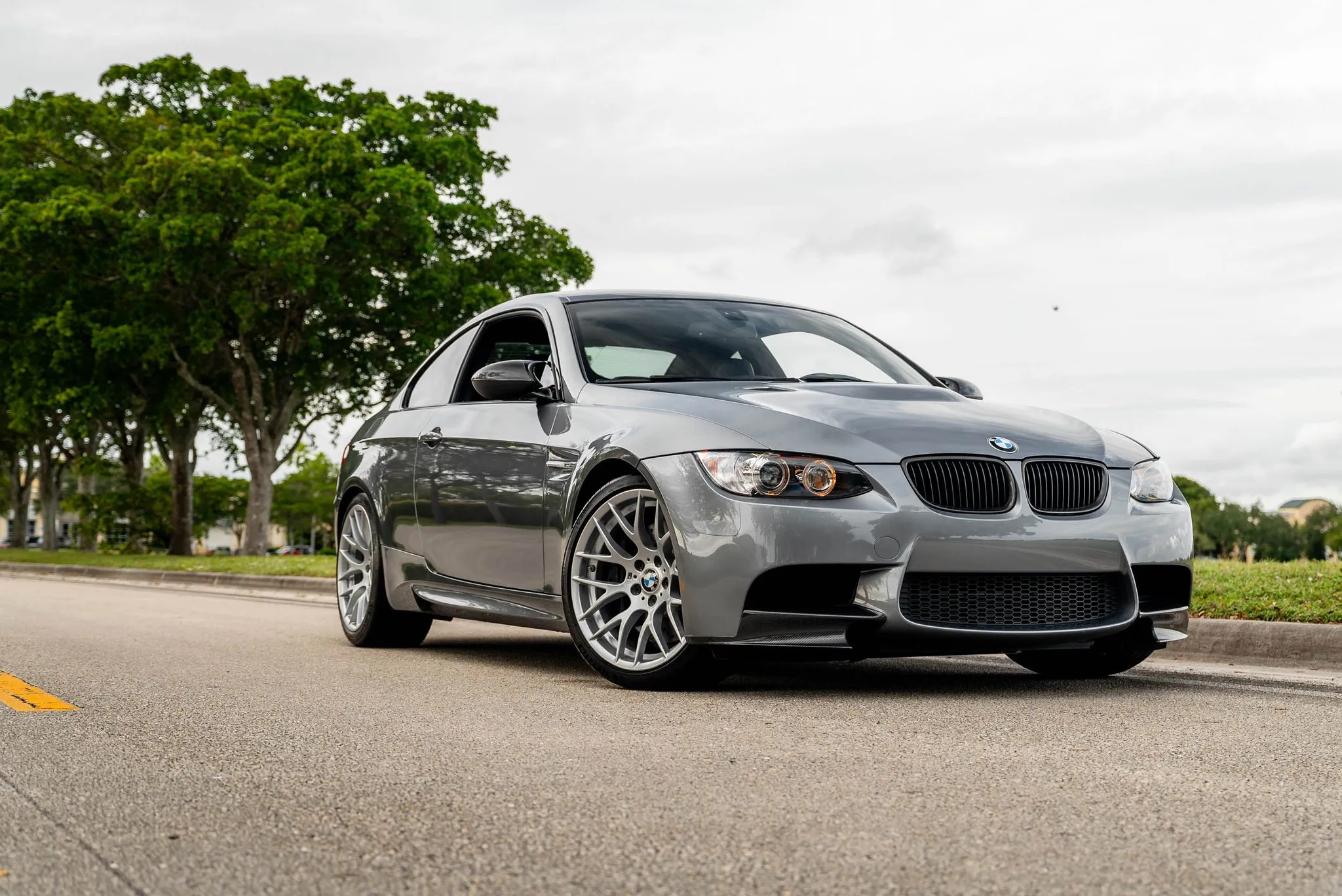
The E92 M3 Coupe was built at Regensburg from 2007 until June 2013, outlasting the sedan, which ended in 2011. BMW offered several special versions during its run. The most extreme was the 2010 M3 GTS, finished in Fire Orange, which had a larger 4.4-liter V8 producing 444 hp (450 PS), along with reduced weight, a roll cage and adjustable suspension. Others included the Competition Package, the M3 DTM Champion Edition and various limited editions for specific markets. After the E9x generation, BMW renamed the coupe the M4, and the F82 M4 arrived in 2014 with a turbocharged inline-six.
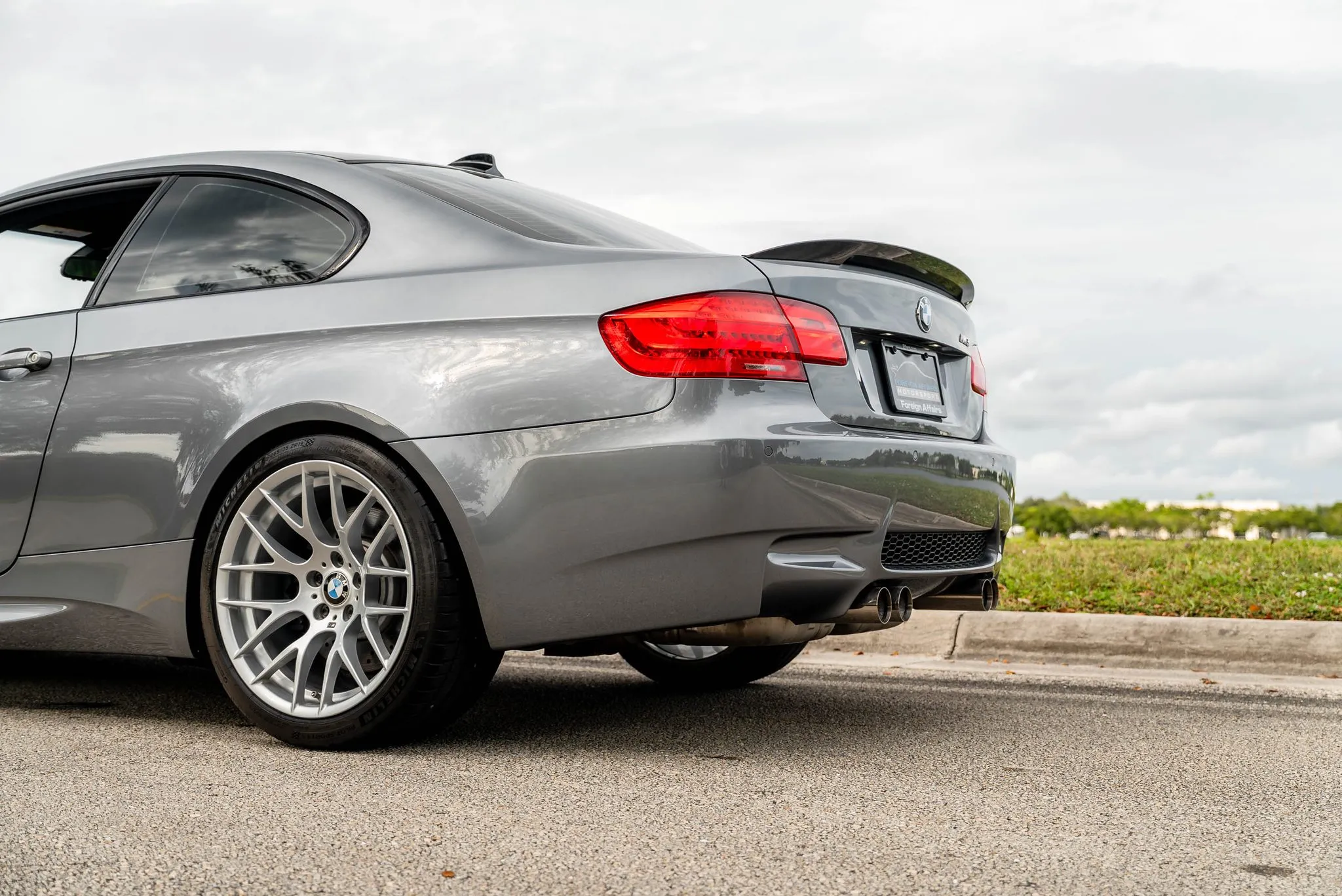
The E92 M3 is now remembered as one of the greatest M cars ever built. Its high-revving V8 gave it a character that later turbocharged M cars never fully replicated, and its racing success in ALMS, at the Nürburgring and in the DTM made it one of the most successful M3s on track. It remains a sought-after modern classic, especially in manual form.
I also changed the “early 2008” M-DCT wording to “from 2008” in the intro. The sedan’s sentences about four doors, seating for five, the Tokyo debut, the 9,606 production figure and the CRT are gone, since they only apply to the sedan. The verification notes from my previous message still apply, especially the 4.8-second manual coupe time and the GTS details.