
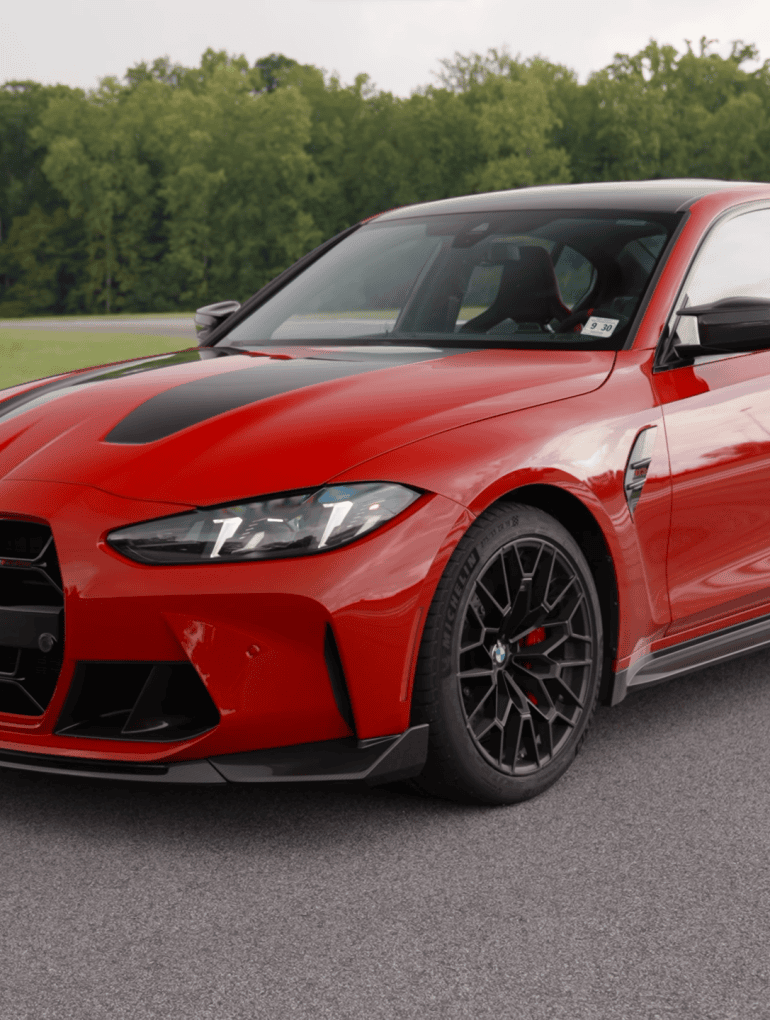
The BMW M3 CS Handschalter represents a distinctive send-off for the sixth-generation M3, combining the lightweight, track-focused hardware of the CS with rear-wheel drive and a six-speed manual transmission. In its review, Top Gear heads to North Carolina’s Ten Tenths Motor Club to determine whether this limited-edition performance sedan delivers a genuinely special driving experience or simply commands an excessive premium for its nostalgic appeal.
CS Performance Comes at a Premium
Built exclusively for the North American market, the M3 CS Handschalter occupies the top of the M3 lineup at a starting price of $108,450. That positions it well above the standard rear-wheel-drive M3 manual, which produces the same 473 horsepower and 406 lb-ft of torque but starts at $80,650. Unlike the discontinued all-wheel-drive M3 CS, the manual variant prioritizes driver involvement over outright power, foregoing the more potent model’s 543 horsepower and 479 lb-ft of torque.
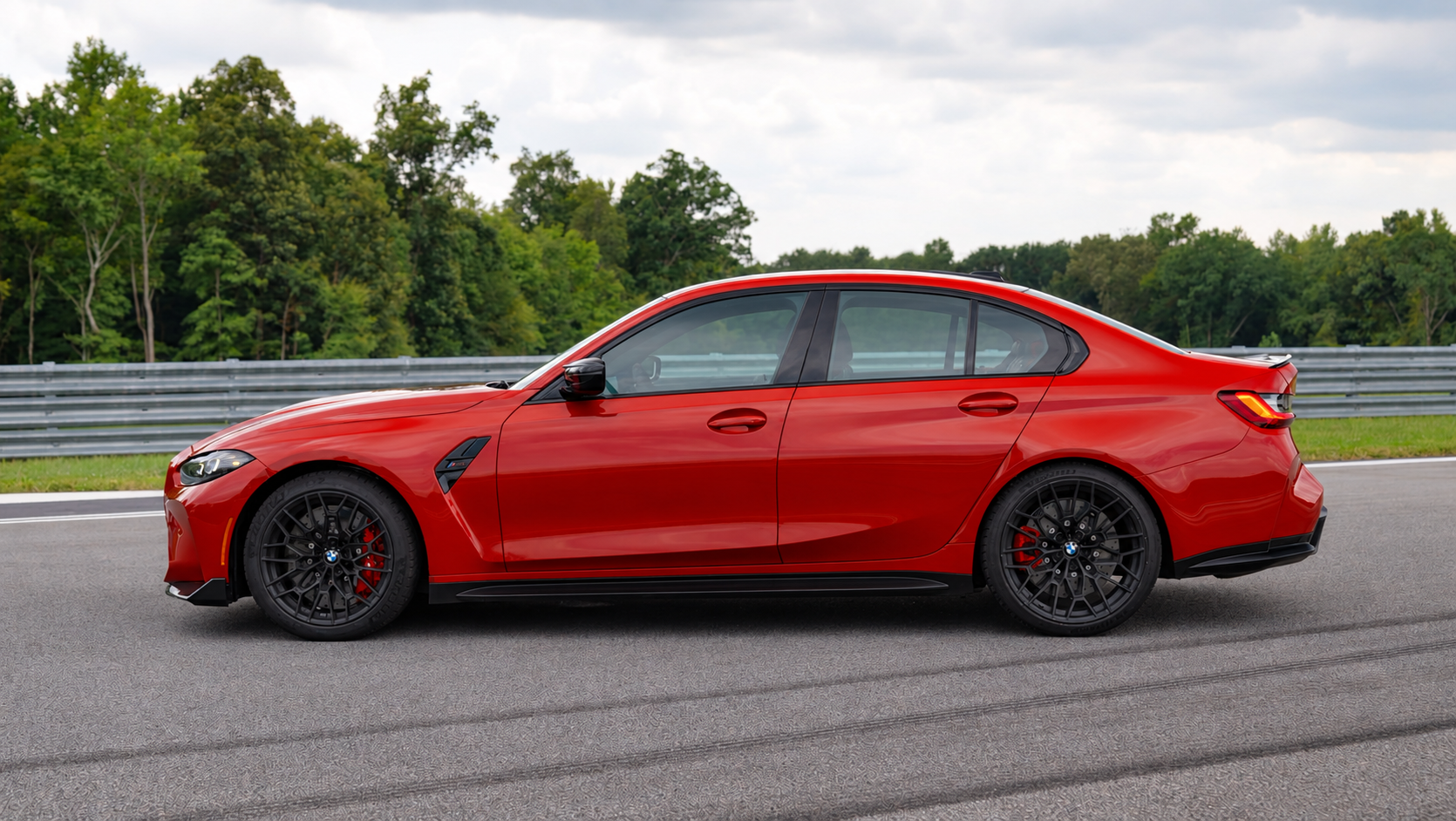
BMW equips the Handschalter with an extensive collection of CS components. Carbon-fiber bodywork includes a front splitter, air intakes, hood, mirror caps, rear diffuser, and spoiler, complemented by a titanium exhaust silencer and standard M Carbon bucket seats. These changes reduce weight by approximately 19 kilograms compared with a conventional rear-wheel-drive M3.
A Track-Focused Chassis
Beyond the weight reduction, BMW revises the chassis with a 6-millimeter lower ride height, specialized dampers, helper springs, unique camber settings, and revised steering calibration. The car also features extensive electronic adjustments for the engine, steering, brakes, suspension, and traction control, allowing drivers to tailor its behavior to road or circuit conditions.
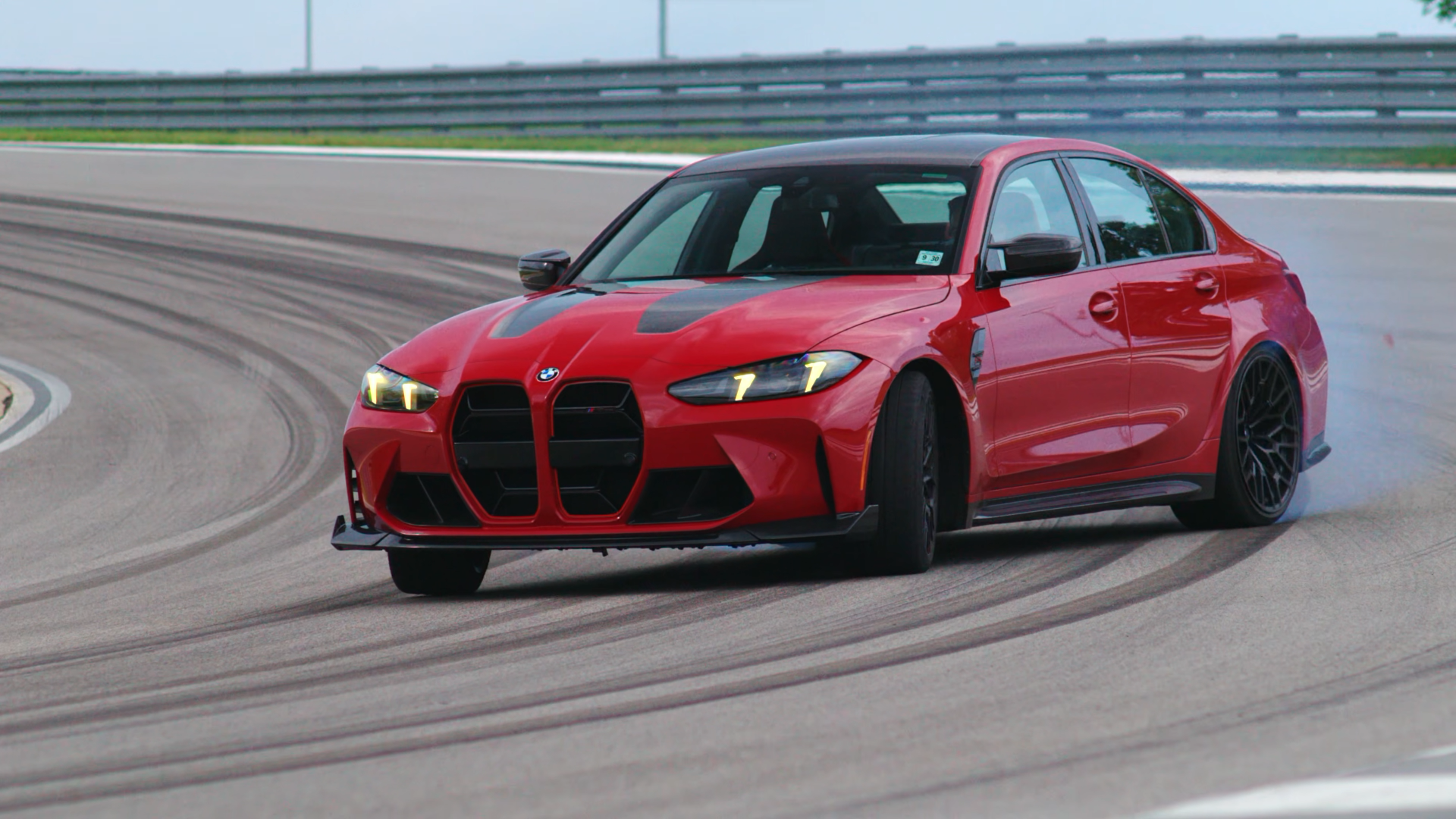
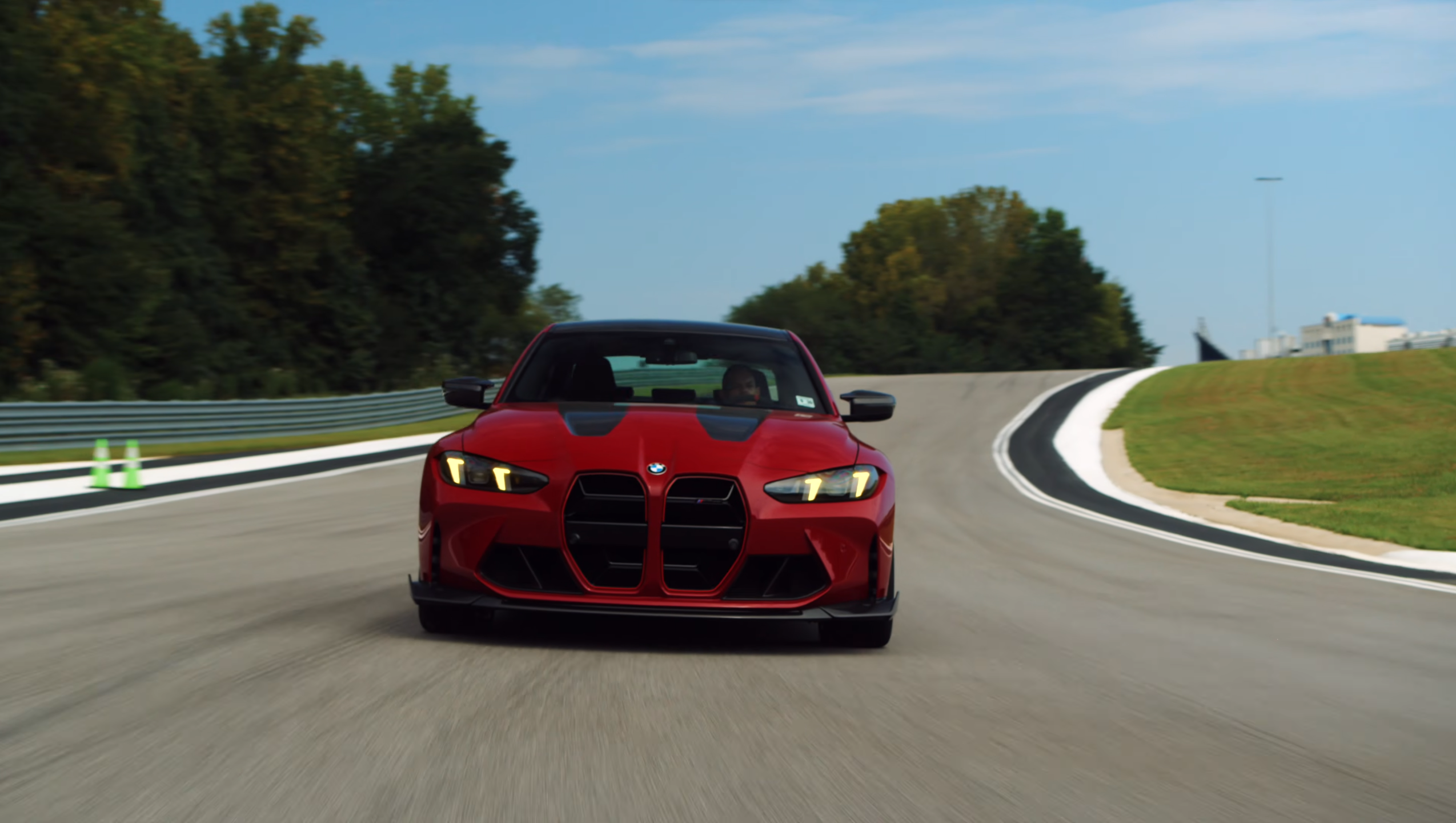
On the track, the combination proves more compelling than its specifications initially suggest. The manual gearbox encourages greater engagement with the twin-turbocharged engine, making its turbo lag more noticeable but adding character to the driving experience. Meanwhile, the carefully tuned chassis delivers impressive body control, balance, and composure despite the car weighing approximately 1,700 kilograms.
Rear-Wheel-Drive Dynamics Take Center Stage
The rear-wheel-drive configuration unlocks a more playful personality. Adjustable traction control allows drivers to tailor the car’s behavior, making controlled slides accessible without sacrificing the precision required for fast circuit driving. The chassis responds progressively to driver inputs, providing the flexibility to prioritize cornering speed or a more entertaining driving style.
There are some compromises. The steering wheel feels overly thick, while the optional carbon-ceramic brakes could offer sharper pedal response. Nevertheless, the overall package demonstrates remarkable versatility and composure.
Ultimately, Top Gear finds that the M3 CS Handschalter succeeds by prioritizing involvement over measurable performance gains. Its price remains difficult to justify on paper, but the combination of a manual gearbox, responsive chassis, and adjustable rear-drive dynamics gives this final-edition M3 a character that numbers alone cannot capture. Despite its awkward name and premium price, it delivers a compelling reminder of what makes an M car memorable: the connection between driver and machine.
Source: Top Gear