
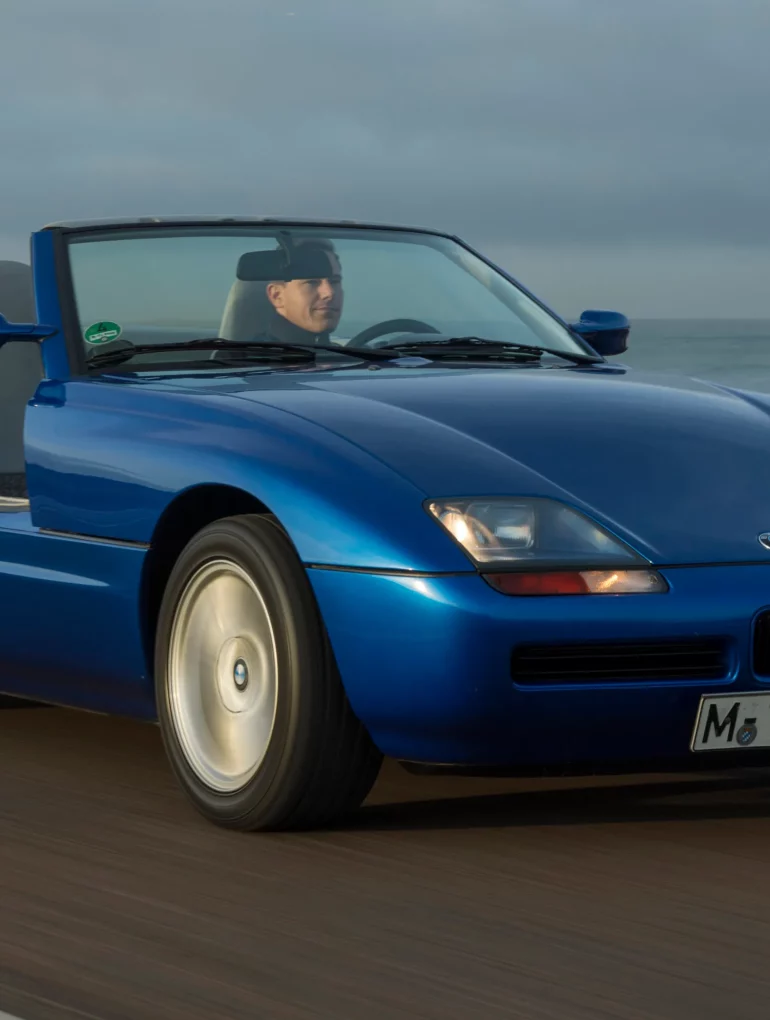

Frankfurt, September 1987. BMW unveiled the Z1, a sleek two-seater roadster that previewed the company’s future direction. The “Z” designation signified a new era of BMW roadsters, returning to the brand’s sports car heritage after decades focusing on sedans. The Z1 featured unique gullwing doors that disappeared vertically into the body rather than swinging outward, a revolutionary design that became the car’s signature feature. The chassis used plastic composite body panels bonded over a tubular steel frame, a technological exercise in alternative materials. Power came from a 2.5-liter inline six producing 170 horsepower, modest by supercar standards but adequate for the lightweight roadster’s spirited character. This was BMW’s experimental vision of the future, a limited-production exploration of new technologies and design concepts. Production ran from 1987 to 1991, with just 8,000 examples built, making the Z1 one of the rarest modern BMWs.
Background and Origins
BMW’s roadster heritage stretched back to the 1950s with the 507, but by the 1980s, the company had abandoned open-top sports cars entirely. Meanwhile, Porsche’s 911 Cabriolet and Mercedes-Benz’s 560 SL dominated the market. BMW recognized an opportunity to create something different, something that reflected the company’s engineering innovation rather than simply copying competitors.
Development of the Z1 began in 1984 under BMW’s design director Claus Luthe. Rather than create a traditional roadster, Luthe proposed something experimental. The gullwing doors became the defining feature, a technological showpiece demonstrating BMW’s engineering capability while creating a practical solution to the problem of open-air motoring in an urban environment.
The Z1 was conceived as a technology demonstrator, a rolling advertisement for BMW’s innovations. The plastic composite body panels represented a significant departure from traditional steel construction. The chassis combined proven mechanical components with advanced structural techniques. The result was a lightweight, responsive machine that previewed future BMW designs.
The prototype debuted at Frankfurt in September 1987, with production beginning in 1989 at BMW’s Grubmüller facility in Garching. However, production numbers were deliberately limited as the Z1 was never intended to be a volume car. The exclusivity enhanced the Z1’s appeal to enthusiasts and collectors.
Design and Engineering
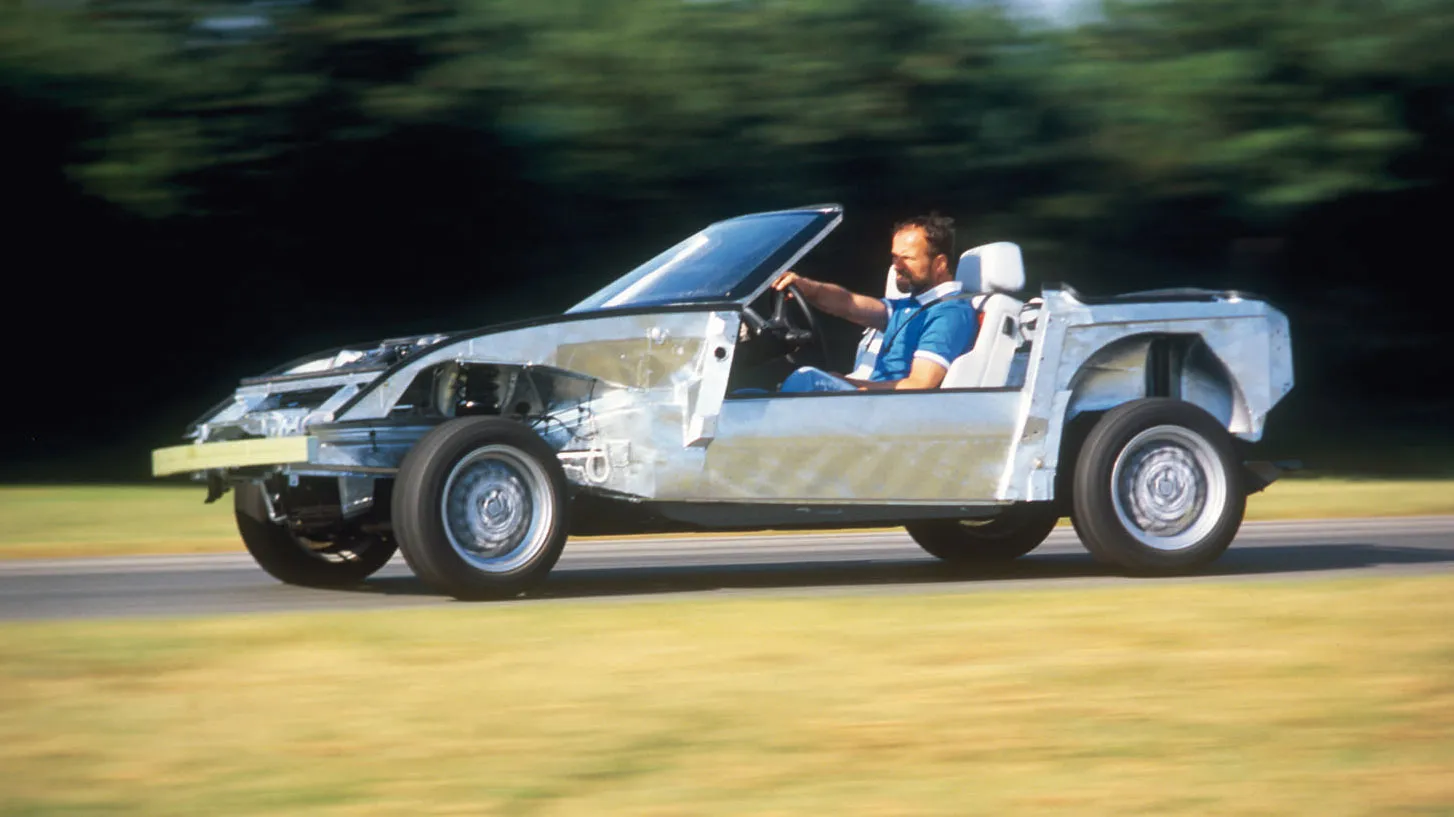
The Z1 was based on a tubular steel spaceframe with a 2,430mm wheelbase. The structure provided excellent rigidity while keeping weight to approximately 1,190 kilograms. The open design allowed significant interior space despite the compact footprint.
Suspension used MacPherson struts with lower A-arms, coil springs, and telescopic dampers front and rear. The geometry was optimized for balanced, responsive handling. Anti-roll bars front and rear controlled body roll effectively during spirited driving.
Braking was by ventilated discs measuring 300mm front and 280mm rear with four-piston calipers. ABS became standard in later production, providing progressive braking regardless of road conditions. Power steering was standard, with a quick ratio providing immediate response.
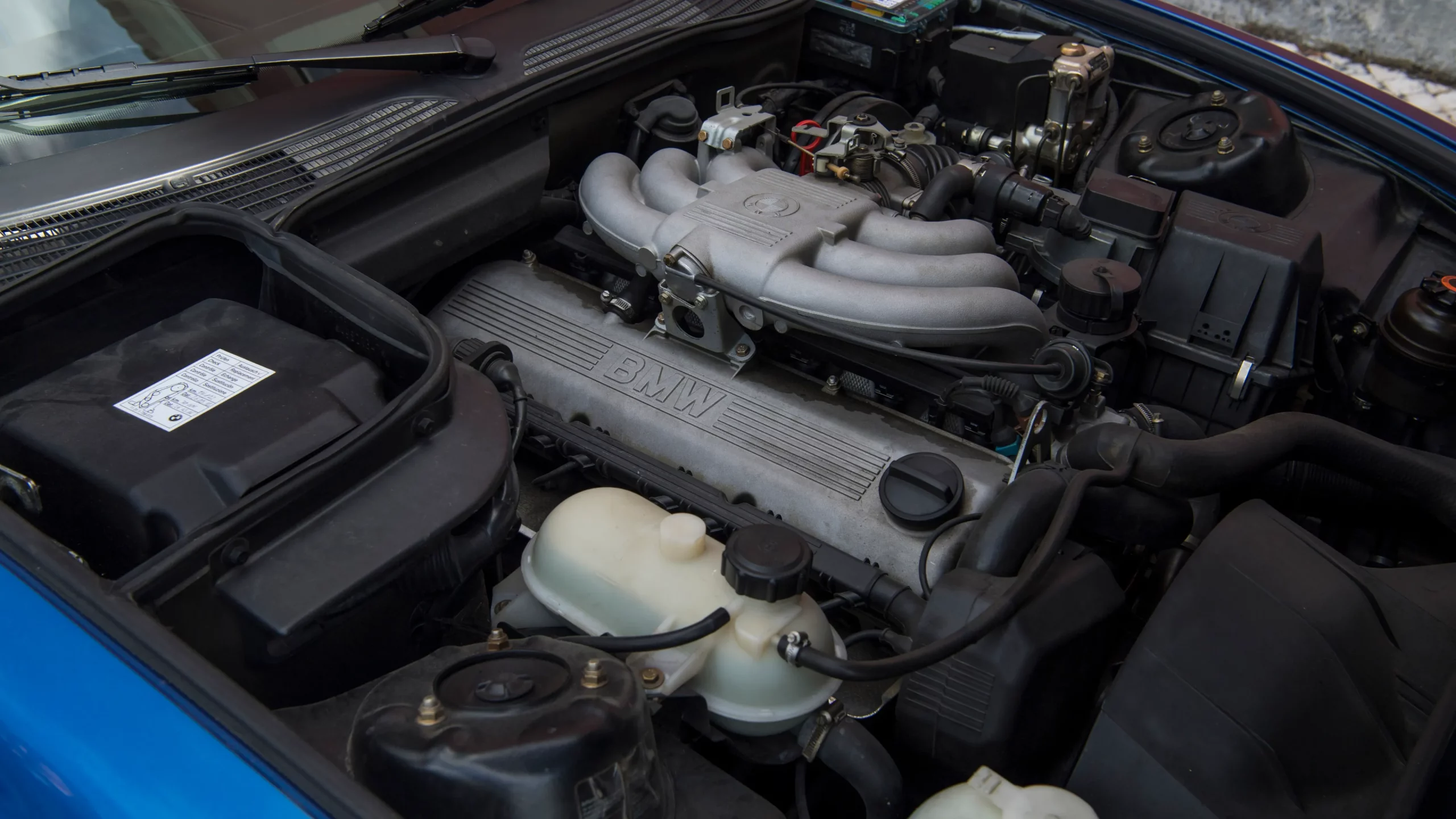
The engine was BMW’s M20 inline six, displacing 2,494cc with an 84mm bore and 75mm stroke. This all-aluminum engine featured a single overhead camshaft per bank, two valves per cylinder, and a 10.0:1 compression ratio. Bosch Motronic engine management controlled fuel injection and ignition.
With a single Solex carburetor initially, output was 170 horsepower at 6,000 rpm and 164 lb-ft at 4,500 rpm. Later examples received fuel injection, improving drivability and emissions compliance. The power delivery was smooth and linear, encouraging drivers to explore the 6,500 rpm redline.
Transmission was a five-speed manual initially, with a six-speed becoming available in later production. The close ratios suited both spirited road driving and occasional track use. A limited-slip differential transferred power to the rear wheels with a 3.45:1 final drive.
Styling
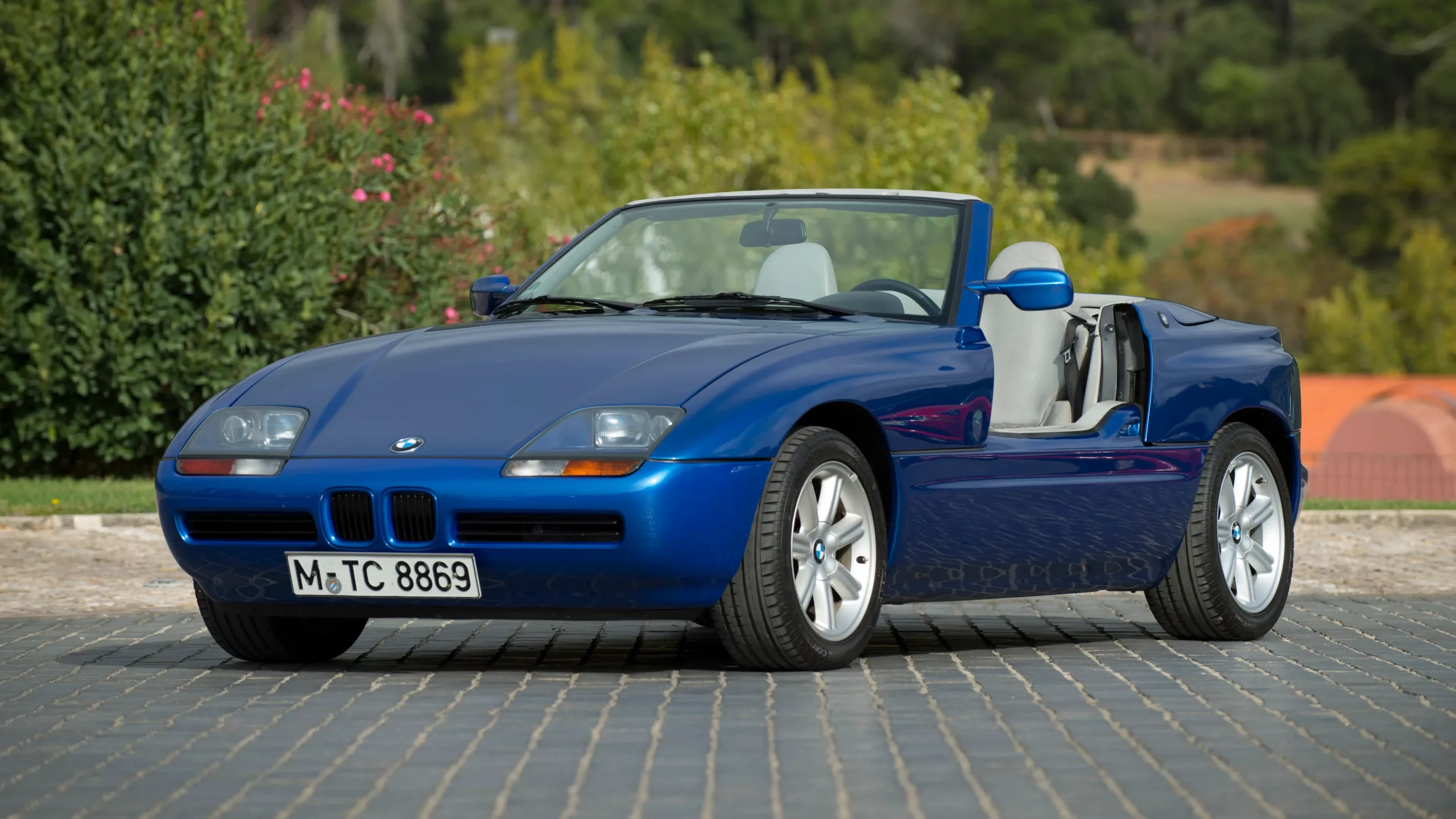
Claus Luthe’s design was striking and contemporary. The Z1 featured a low nose, pronounced fender flares, and a raised rear deck creating proportions that suggested performance. Pop-up headlights kept the nose clean when retracted. The side profile was dominated by the dramatic character line running from headlight to tail, dividing the body visually.
The signature feature was the gullwing doors, which retracted vertically into the body via sophisticated mechanical systems. The operation was smooth and reliable, though the system required regular maintenance. With the doors lowered, the Z1 had excellent open-air visibility and ventilation.
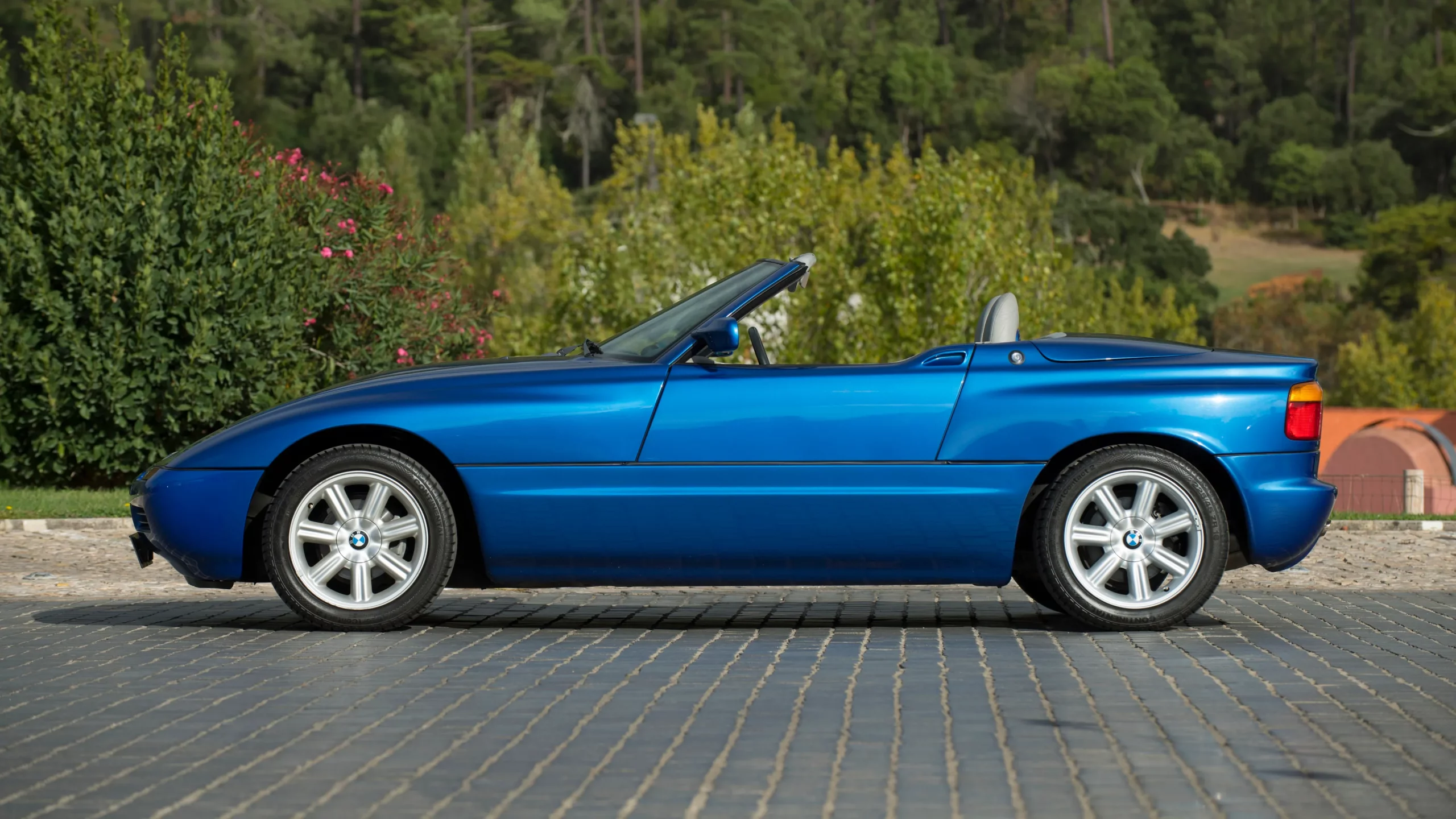
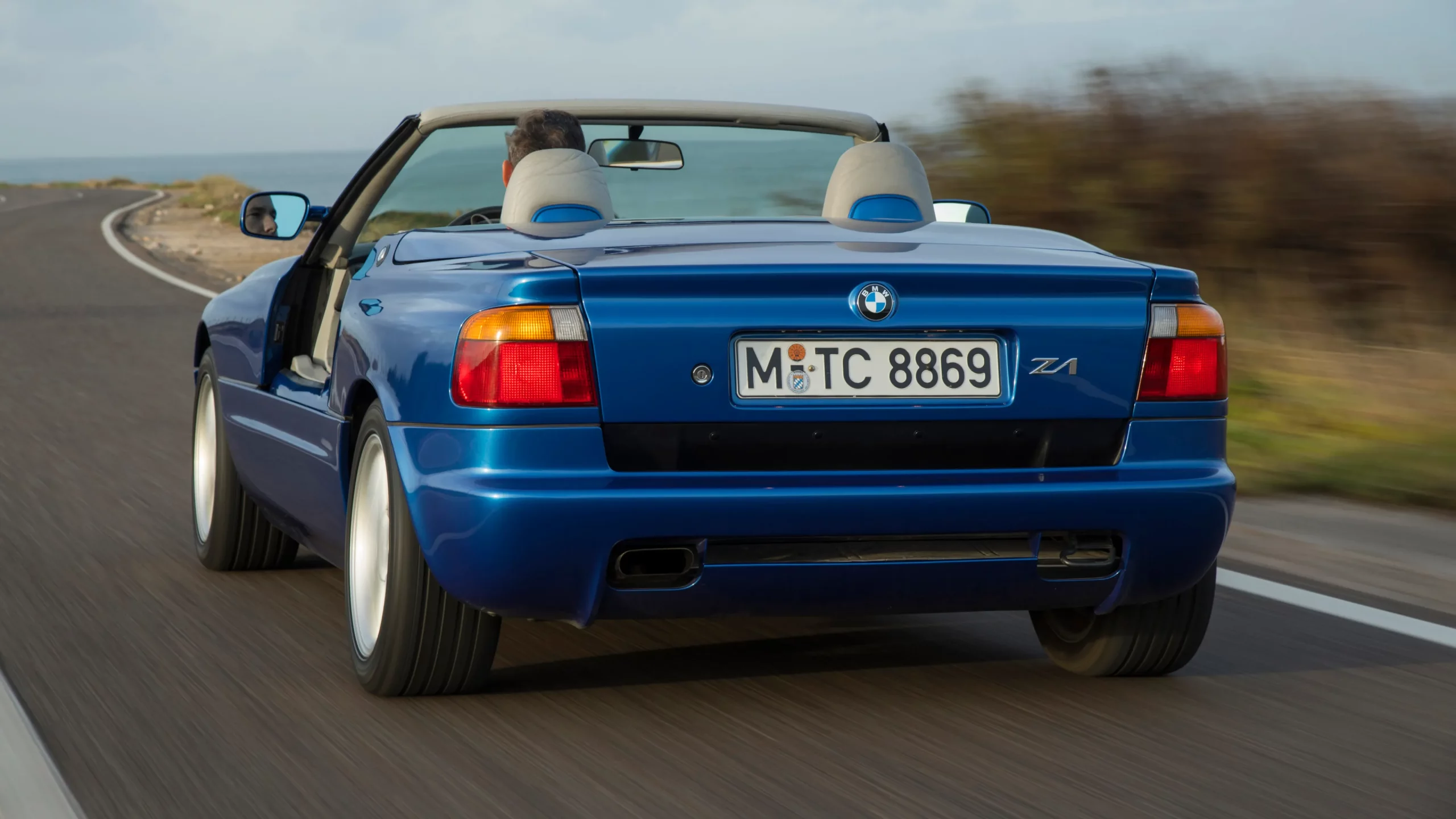
At the rear, a simple trunk lid provided access to storage space behind the engine. Quad round taillights sat above body-colored bumpers. The tail was clean and uncluttered, reflecting the car’s minimalist aesthetic.
Body panels were plastic composite materials, primarily polyurethane and reinforced plastic. This represented cutting-edge technology for the era, offering advantages in durability and repairability compared to traditional aluminum or steel. The plastic panels were painted to match the chassis colors rather than requiring additional finishing.
Standard wheels were 15-inch alloy units measuring 6.5 inches wide, wearing 205/55 VR15 Michelin or Dunlop tires. The modest wheel size reflected the Z1’s lightweight character rather than performance pretensions.
Interior
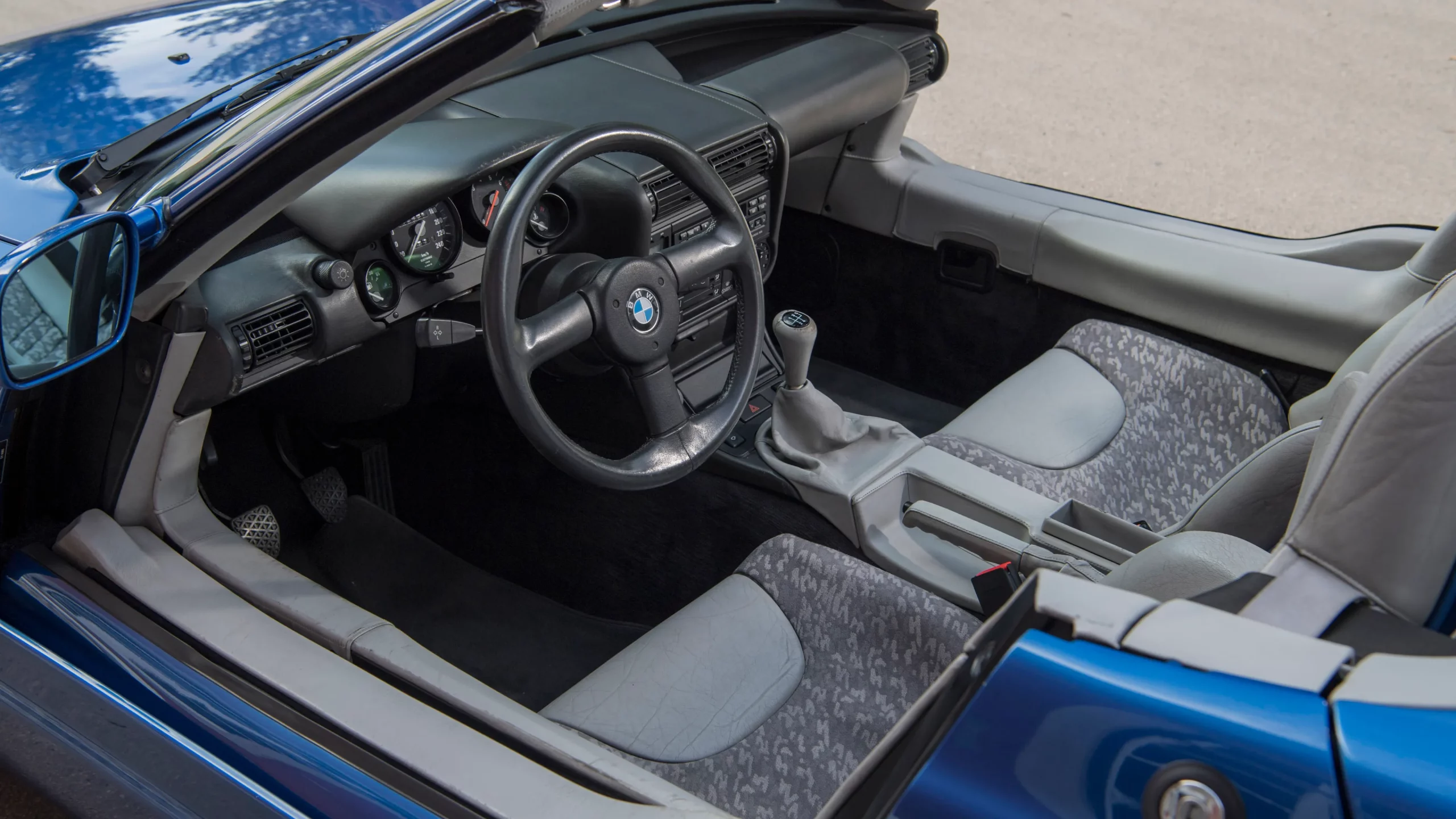
The cabin was trimmed in leather with cloth accents. Two individual bucket seats provided adequate support for spirited driving. The driving position was low and forward, with excellent visibility forward but limited rearward sight typical of mid-engine roofless designs.
The dashboard featured comprehensive instrumentation with Veglia gauges including a tachometer, speedometer, oil pressure, water temperature, and fuel level. A leather-wrapped steering wheel faced the driver with the BMW roundel at its center. The gear lever sprouted from the transmission tunnel with mechanical precision.
Standard equipment included power windows, central locking, and electric mirrors. Air conditioning was optional and relatively rare. The overall atmosphere was purposeful and minimalist, reflecting the Z1’s experimental nature.
Specifications
- Engine: M20 inline six, 2,494cc (84mm x 75mm), SOHC per bank, two valves per cylinder, Bosch Motronic
- Power: 170 bhp at 6,000 rpm
- Torque: 164 lb-ft at 4,500 rpm
- Transmission: Five-speed or six-speed manual, 3.45:1 limited-slip differential
- Chassis: Tubular steel spaceframe, 2,430mm wheelbase
- Suspension: MacPherson struts (front and rear)
- Brakes: Vented discs 300mm (front), vented discs 280mm (rear), ABS (later)
- Wheels: 6.5×15 alloy, Michelin/Dunlop 205/55 VR15
- Weight: 1,190 kg
- Performance: 140 mph top speed, 0-60 mph in 8.0 seconds
Competition History
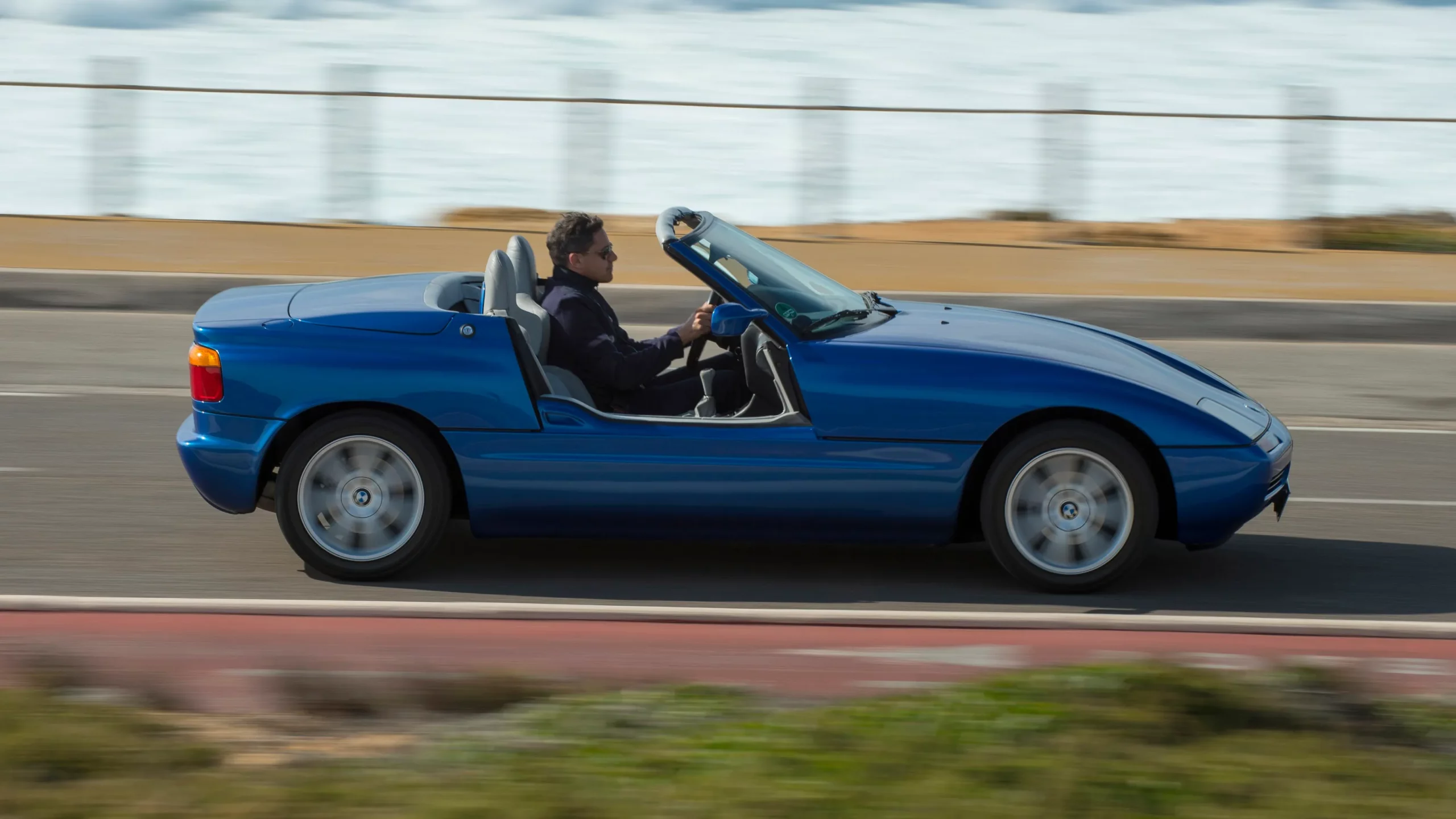
The Z1 was designed as a road car and saw no official motorsport use. However, its lightweight construction and responsive handling made it popular for track days and amateur racing events. Several owners campaigned Z1s in club racing, where the combination of power and agility proved competitive in their class.
Production and Legacy
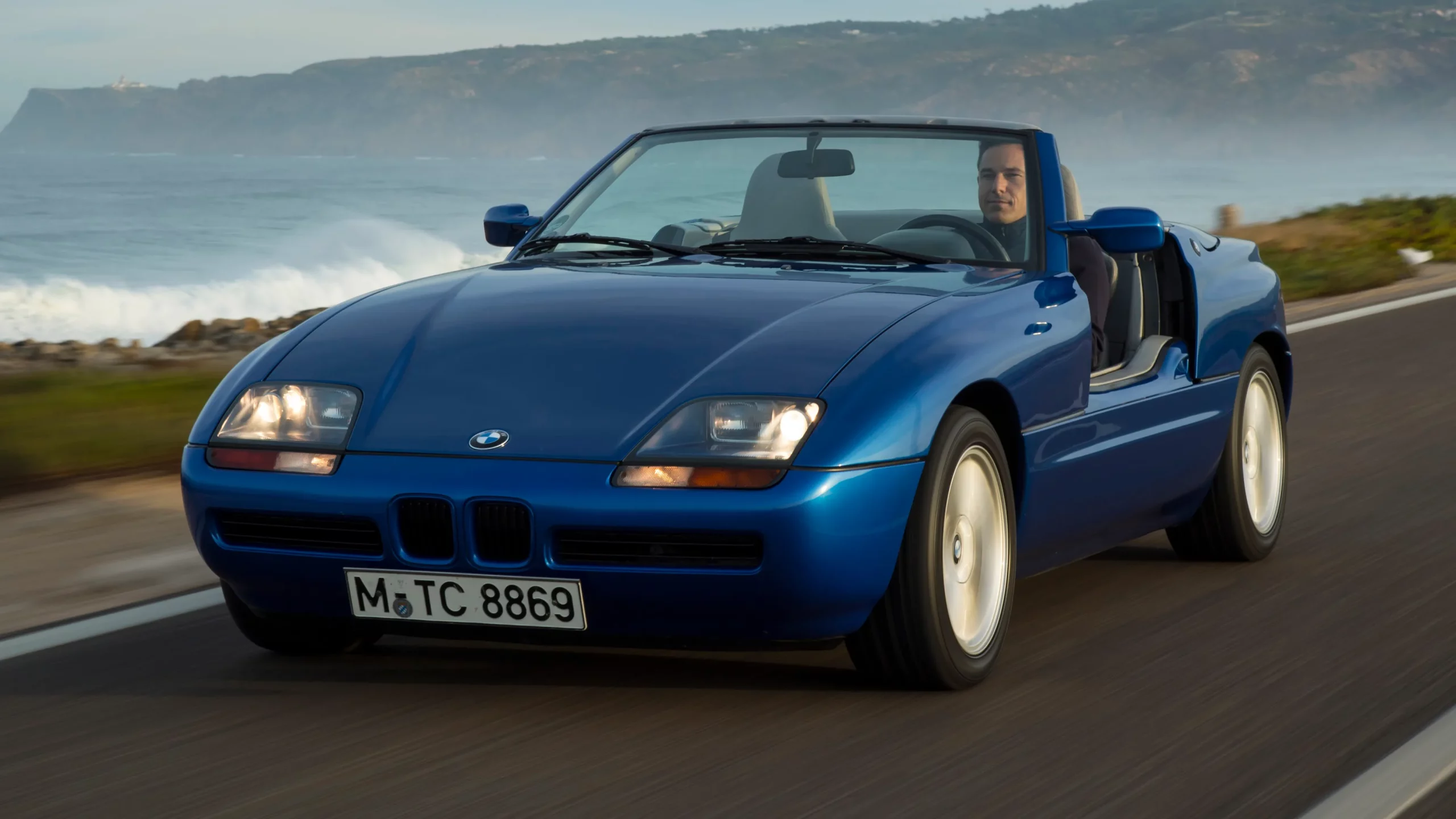
BMW built just 8,000 Z1s between 1989 and 1991 at the Grubmüller facility in Garching, the low volume reflecting both the car’s experimental nature and the plant’s limited capacity. Each was hand-assembled, with craftsmen individually fitting the complex sliding doors and body panels.
The Z1 cemented BMW’s reputation as a design innovator. It showed that a mid-engine roadster could work as a daily driver and that plastic composite panels could match traditional materials for durability. Those lessons informed later models, and while the gullwing-style doors were never repeated, they proved BMW’s appetite for unconventional ideas.
Today the Z1 is increasingly collectible. Limited production, genuine performance and bold engineering have made clean examples highly sought after, with prices that reflect their standing as technological landmarks.
It also closed a chapter: the last purely experimental BMW roadster before the more conventional Z3, and a reminder of when small-scale risk-taking was still possible.