

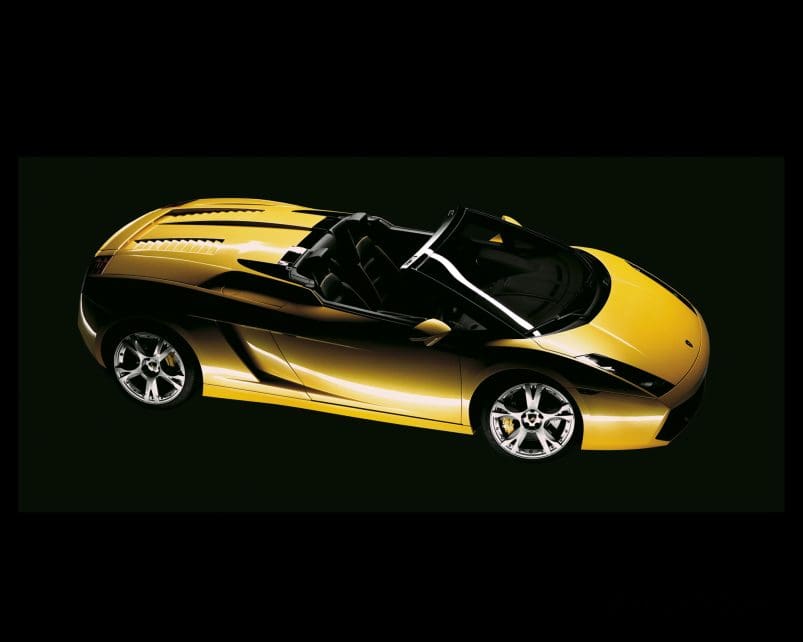
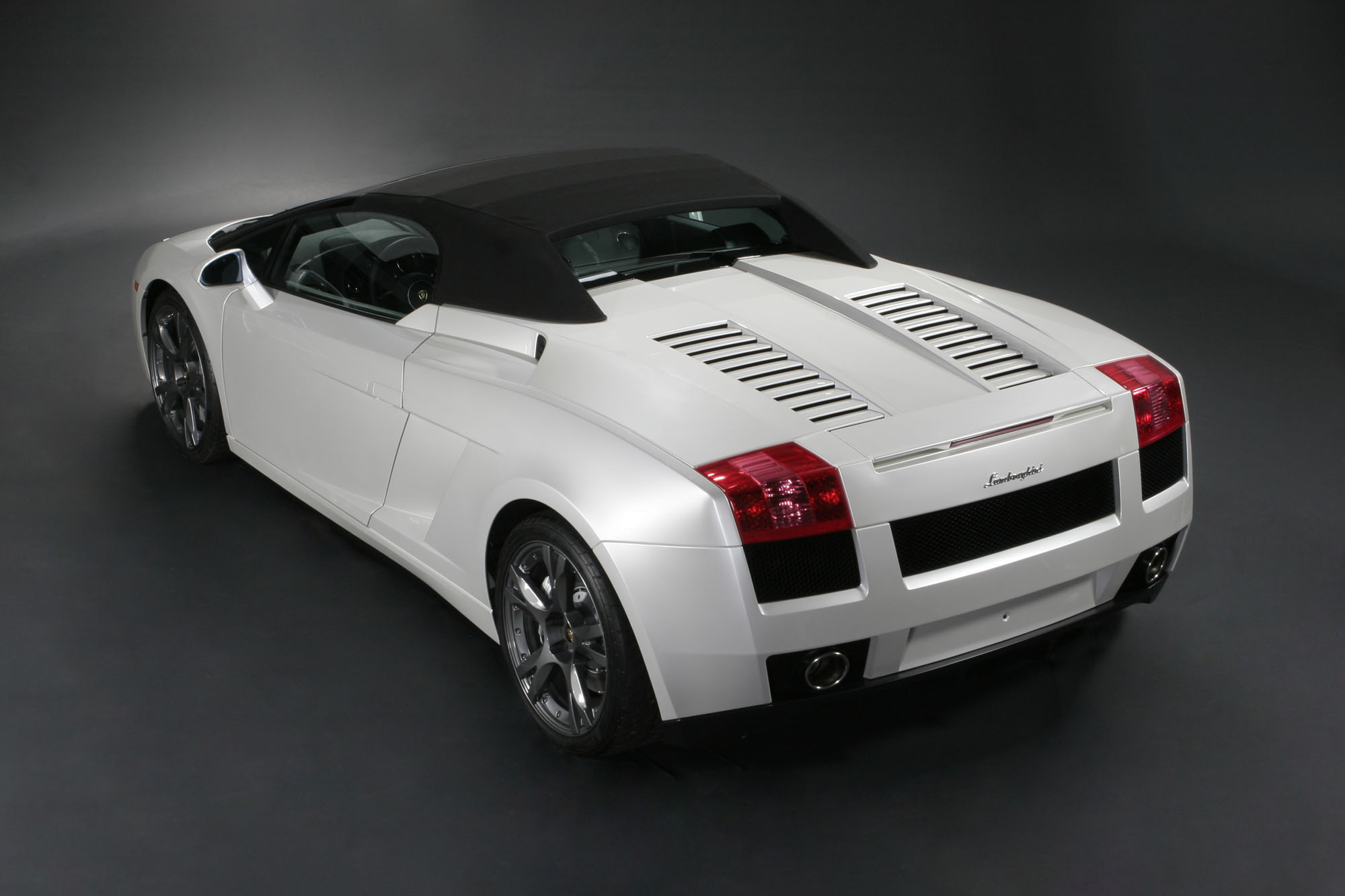
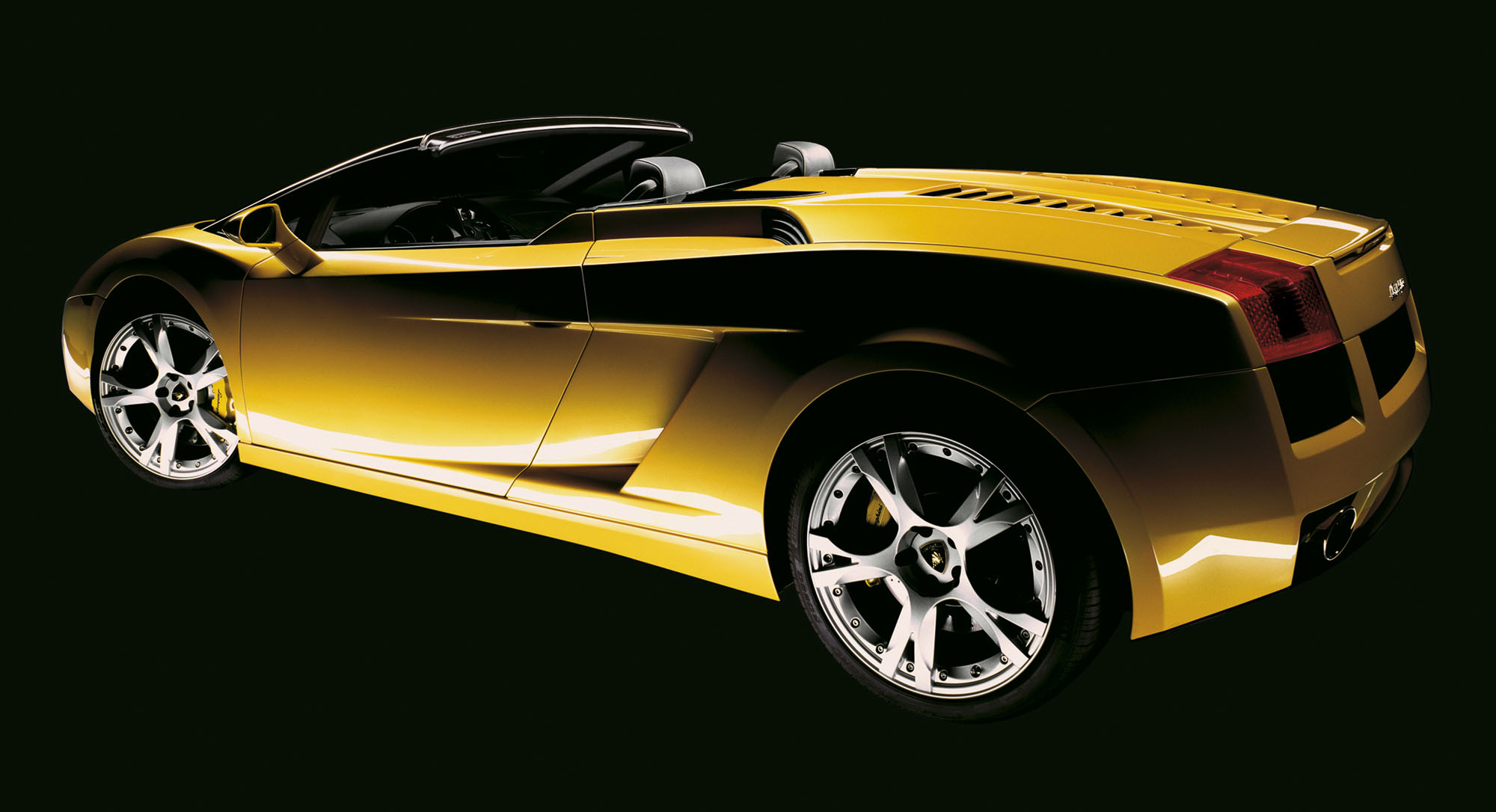
Twenty years after its market launch, the Lamborghini Gallardo Spyder remains a pivotal model in the Italian manufacturer’s history. Introduced at the 2005 Frankfurt Motor Show and launched in 2006, the V10-powered convertible established the Spyder as a regular part of Lamborghini‘s model range rather than an occasional open-top derivative. 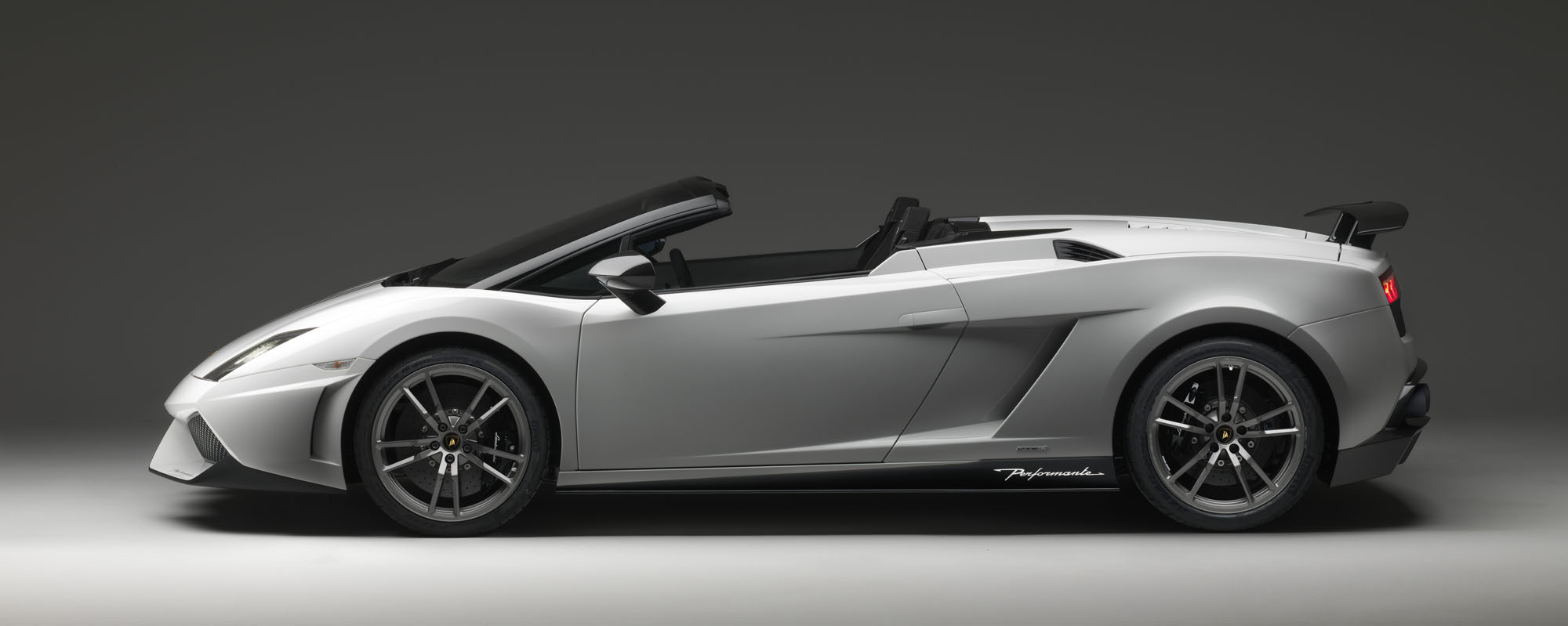
The Gallardo Spyder combined a 520 CV V10, a fully automatic fabric roof and chassis revisions designed specifically for open-air driving. Its success helped establish a lineage that continued through the Gallardo’s successors, including the Huracán Spyder.
From the Lamborghini Silhouette to the Gallardo Spyder
Lamborghini’s compact open-top heritage dates to the 1976 Silhouette, a targa-roof sports car unveiled at the Geneva Motor Show. The subsequent Jalpa and open-top interpretations of the Diablo and Murciélago continued the tradition, but the Gallardo Spyder introduced a fully automatic convertible roof to Lamborghini’s compact supercar lineup.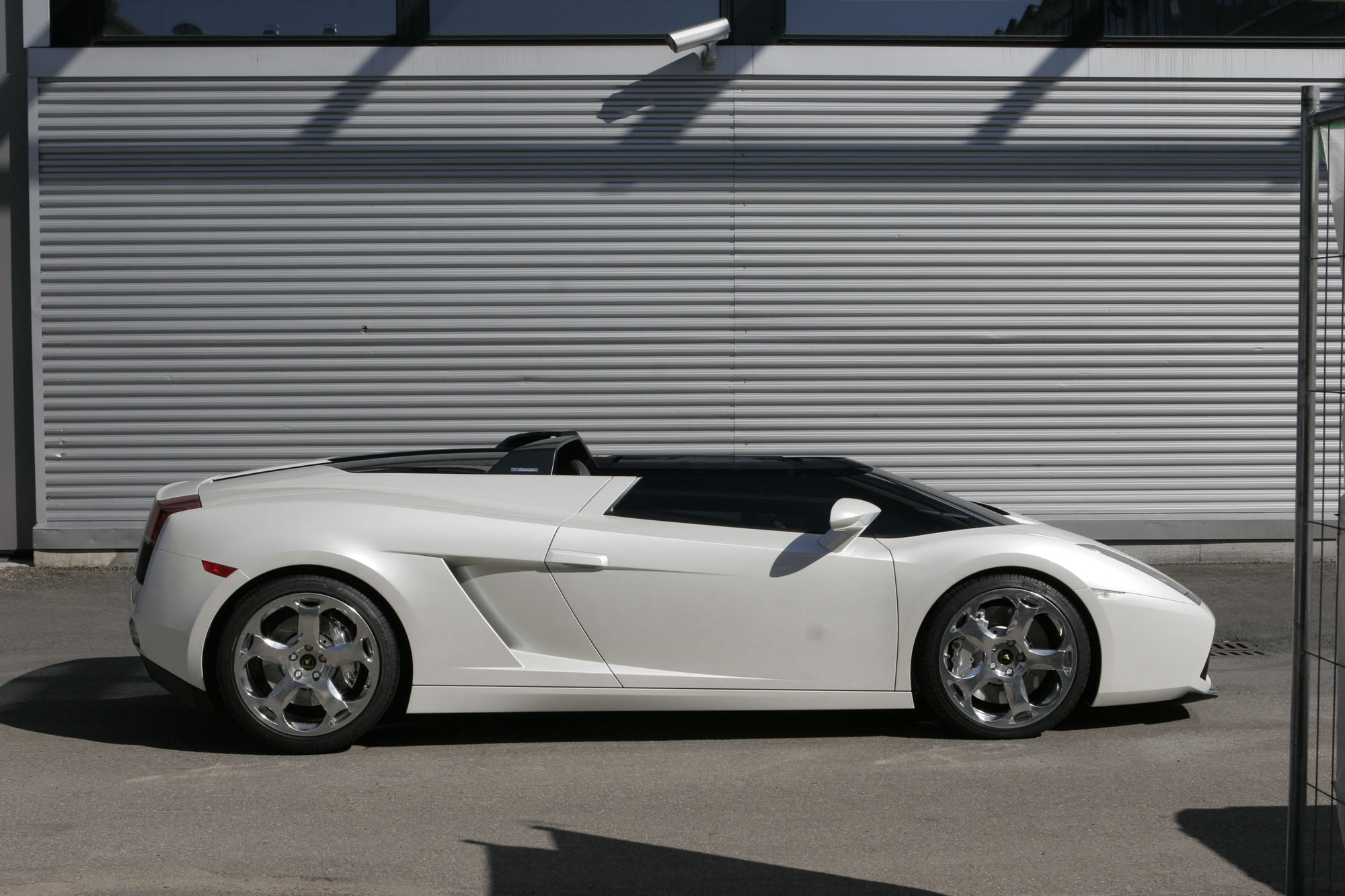
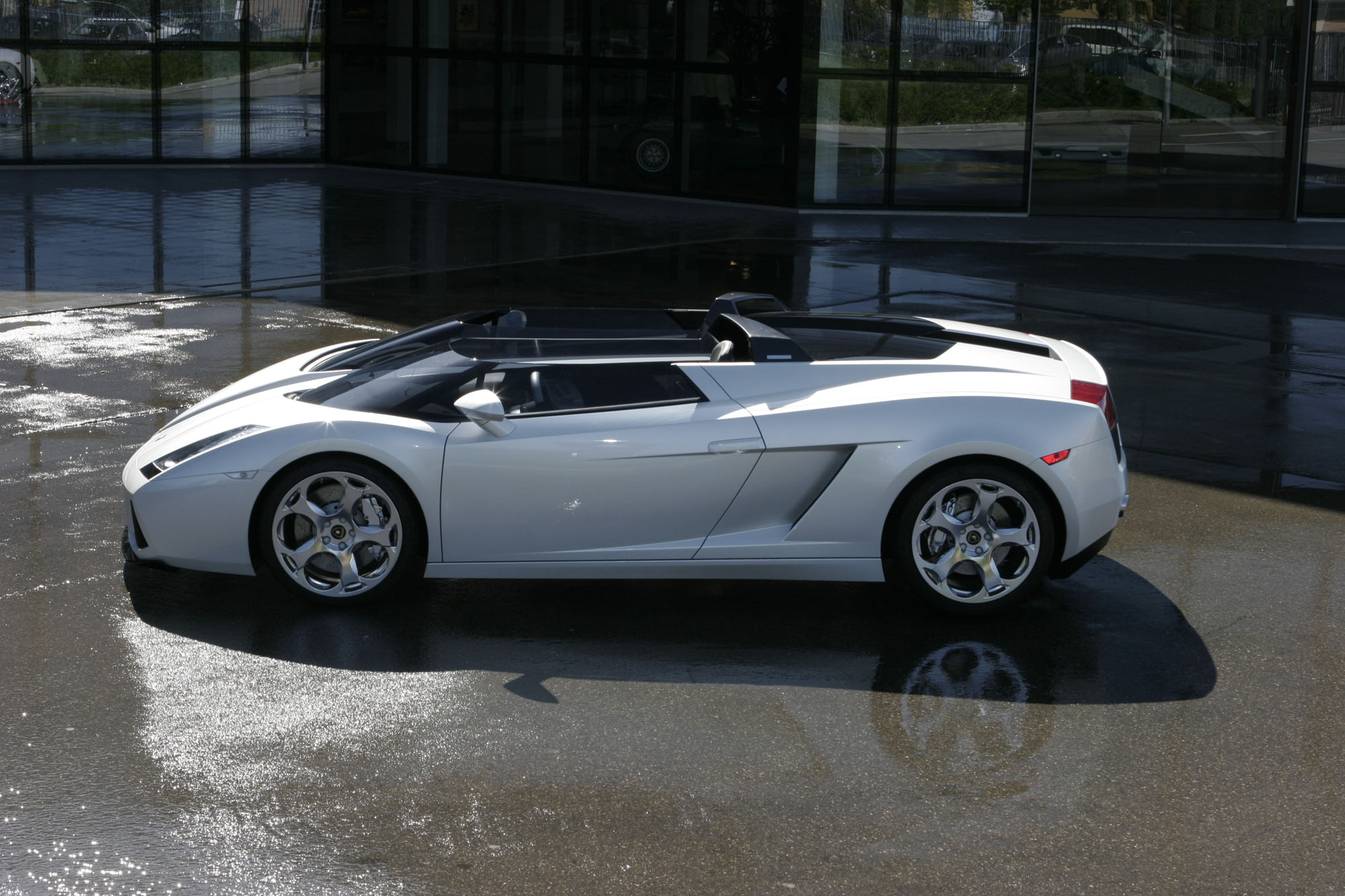
The Gallardo-based Concept S, developed under Luc Donckerwolke, explored the idea through a radical split-cockpit design. The production Spyder, developed under Walter de’ Silva’s design supervision, adopted a more conventional configuration while retaining the Gallardo coupé’s angular styling and proportions.
Gallardo Spyder V10 Engine and Performance
The original Gallardo Spyder featured a naturally aspirated 4,961 cc V10 producing 520 CV at 8,000 rpm. Lamborghini quoted 0–100 km/h acceleration in 4.3 seconds and a maximum speed of 314 km/h with the roof closed, dropping to 307 km/h with the roof lowered.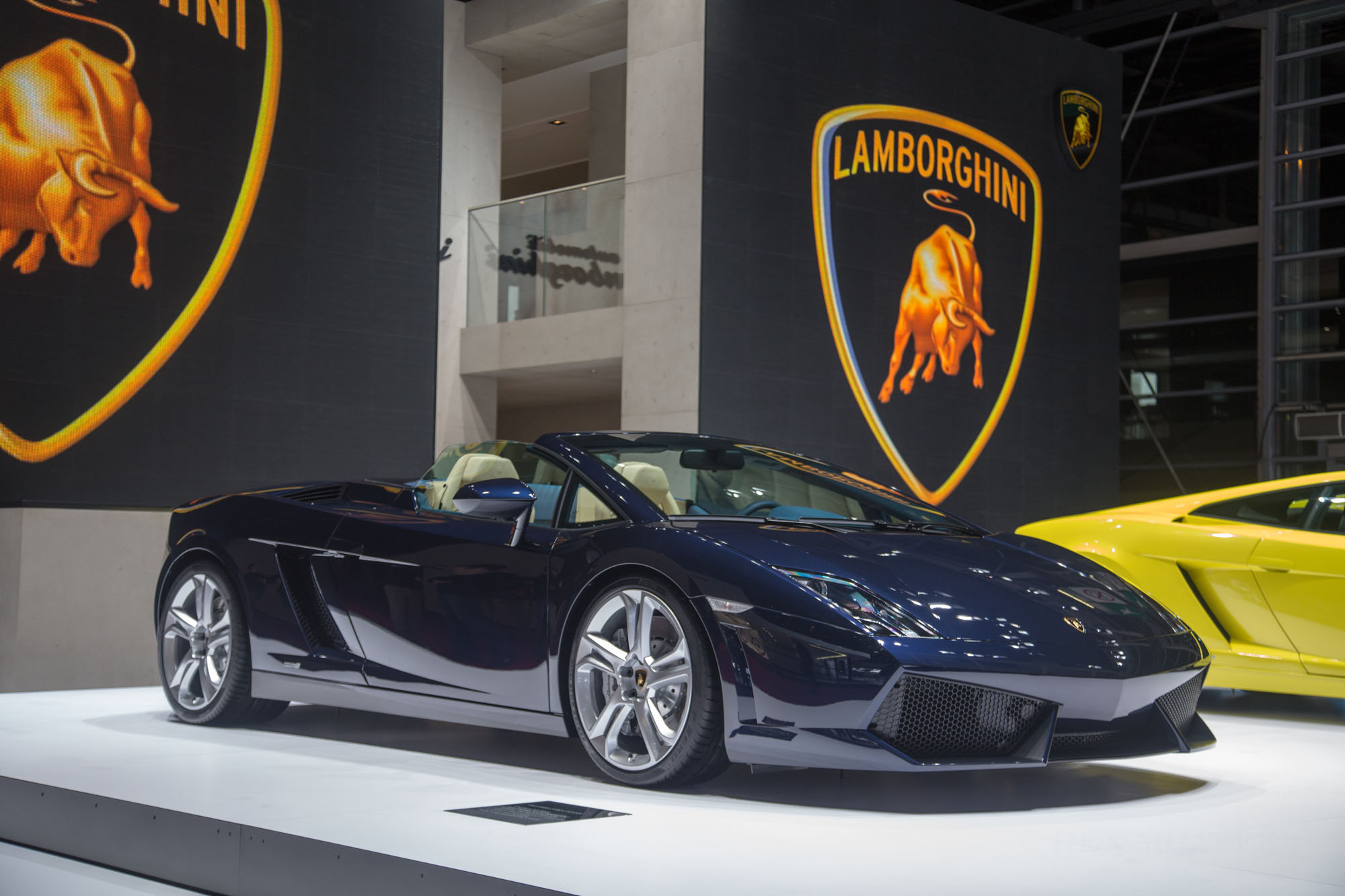
Compared with early Gallardo coupés, the Spyder received steering that was 20% more direct, stiffer suspension springs and revised transmission ratios. Buyers could choose a six-speed manual or an updated six-speed e-gear automated transmission, while an exhaust bypass system emphasized the V10’s sound at higher engine speeds.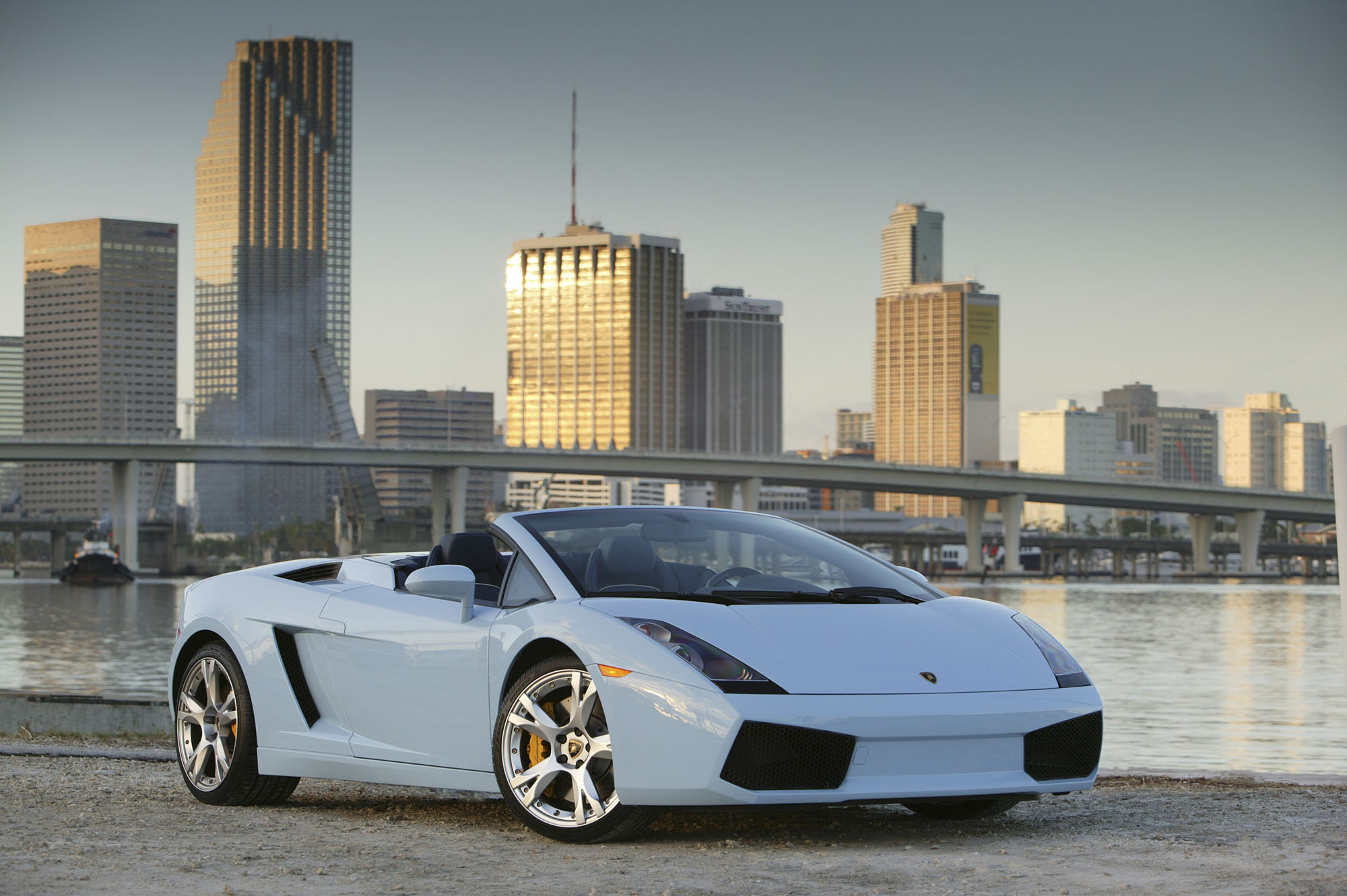
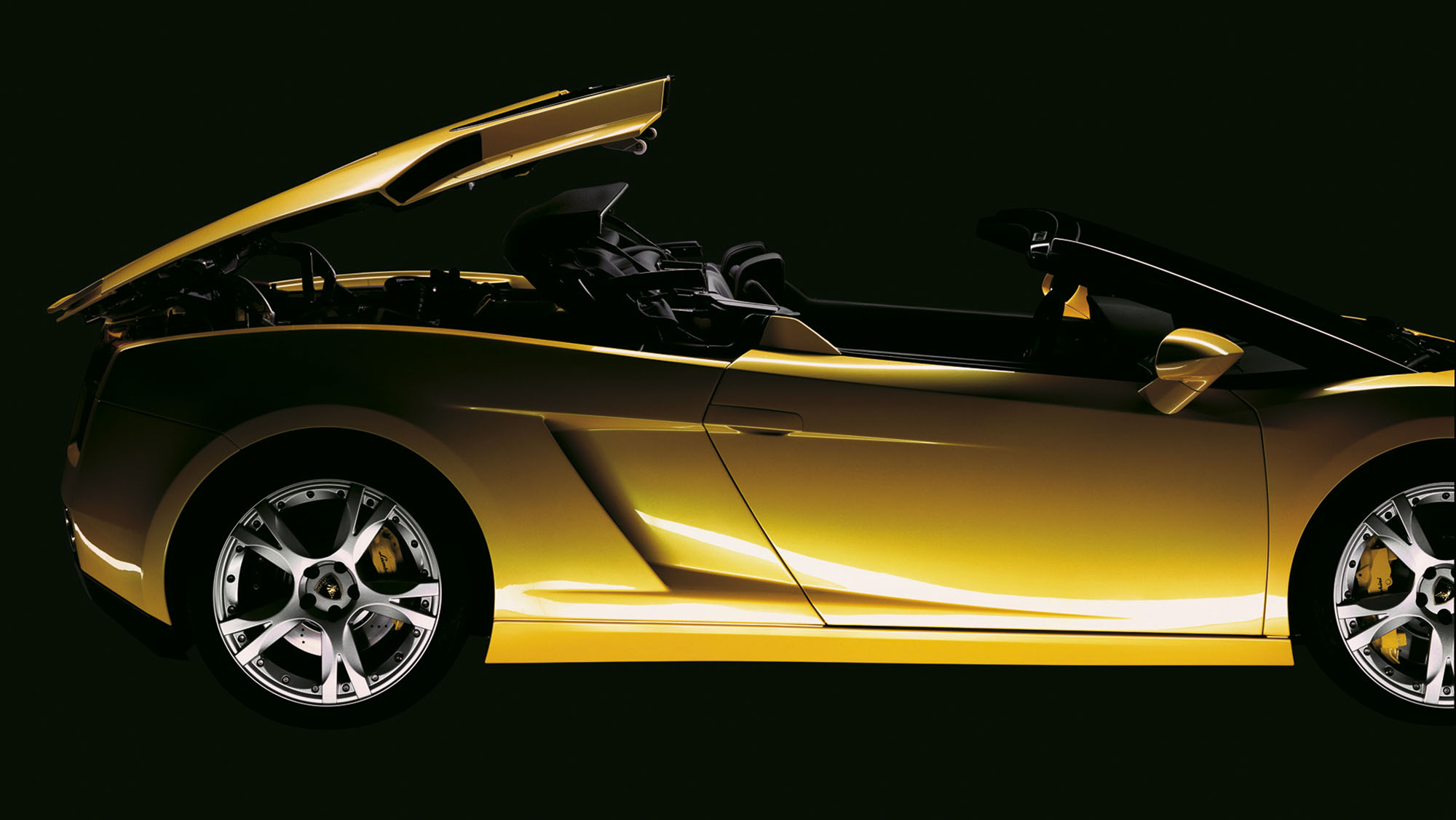
A 20-Second Convertible Roof
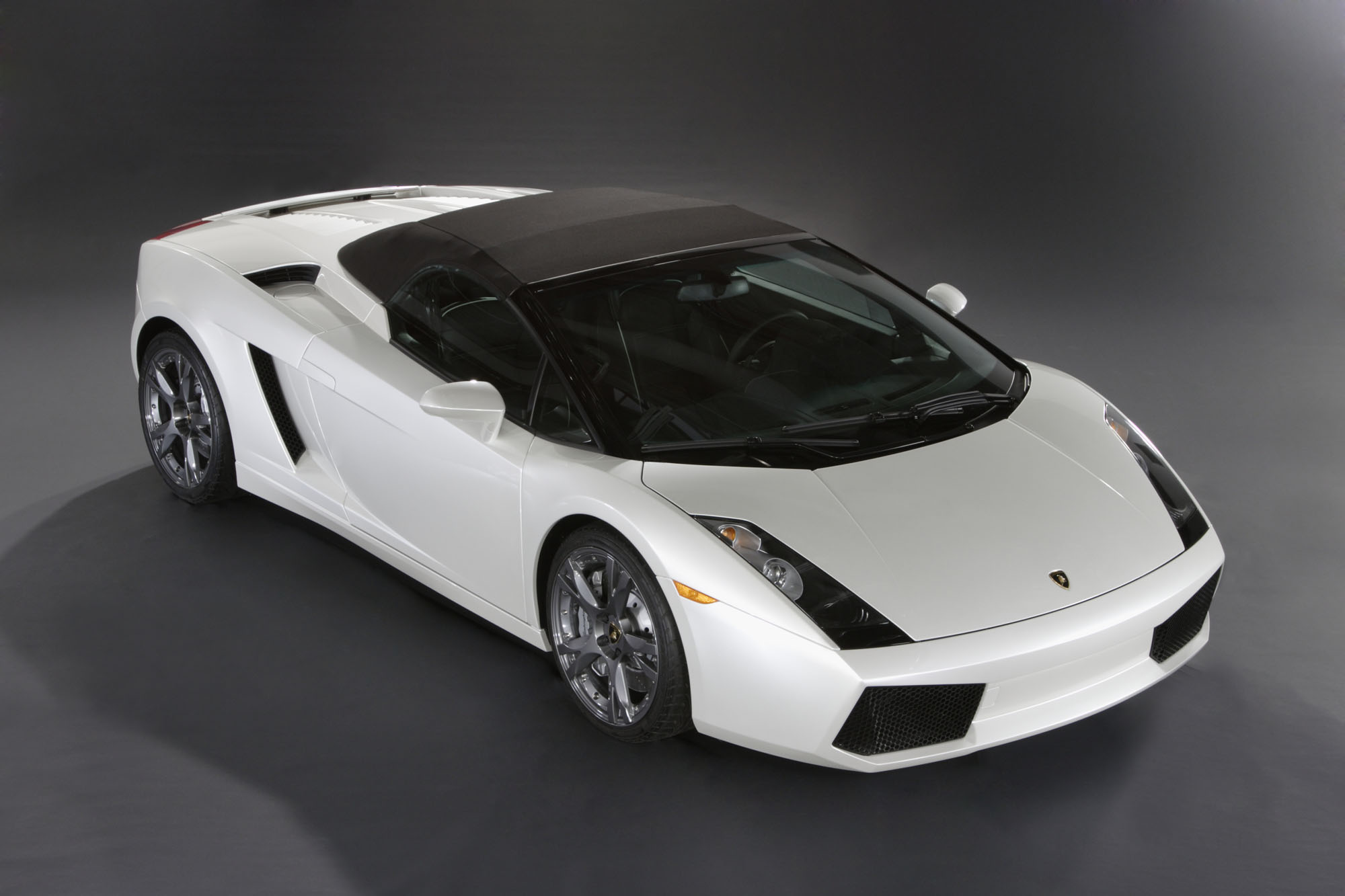
The Spyder’s electro-hydraulic fabric roof opened or closed in approximately 20 seconds, with the engine cover lifting to accommodate the mechanism. An independently operated electric rear window allowed drivers to regulate cabin airflow or hear the V10 with the roof raised.
Lamborghini also introduced additional customization possibilities through its Privilegio program, including special paint finishes and equipment.


Gallardo LP 560-4 and Spyder Performante Evolution
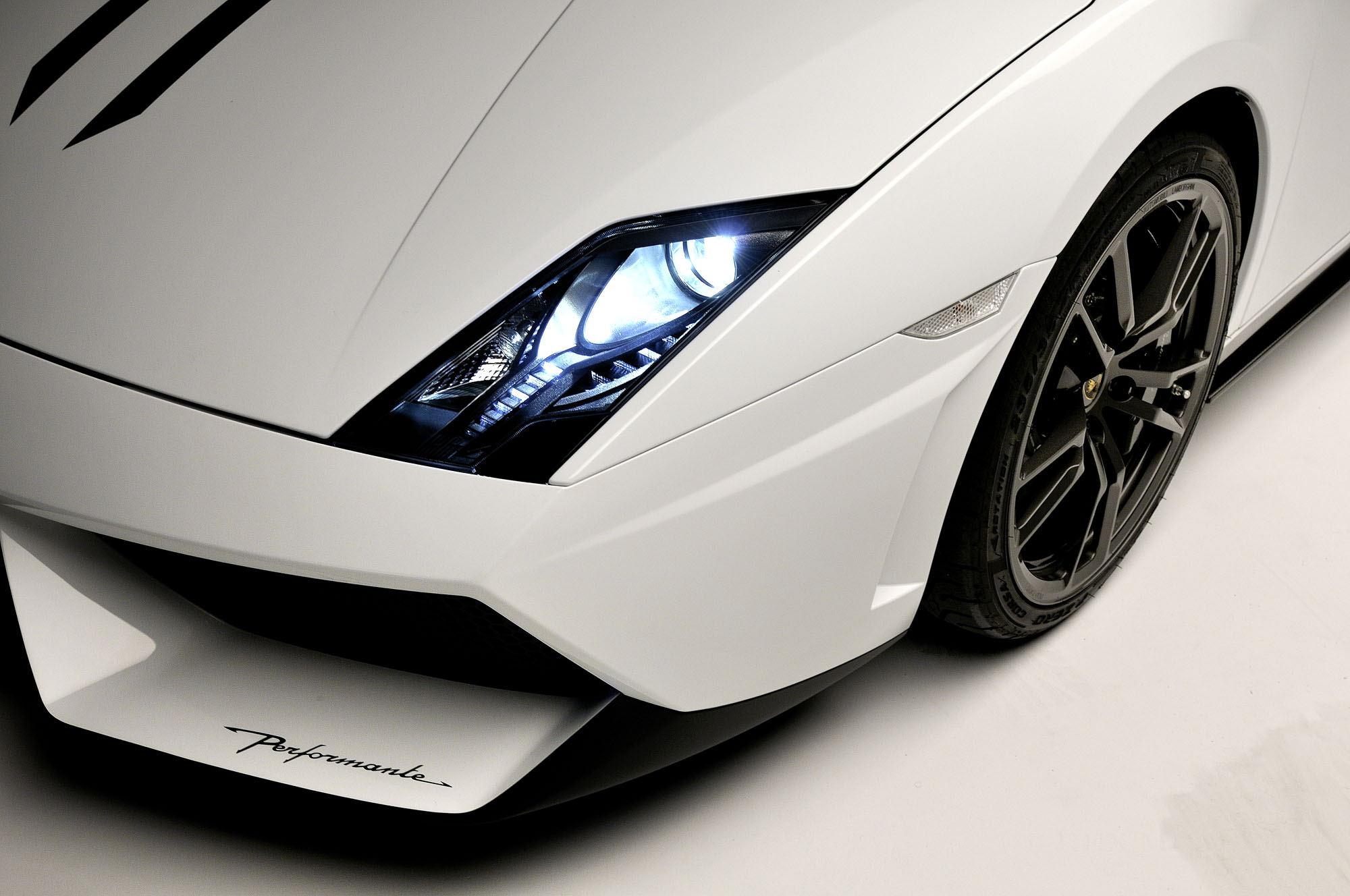
The Gallardo Spyder evolved considerably during production. The 2008 LP 560-4 introduced a 5.2-liter direct-injection V10 producing 560 CV, followed by the lighter LP 570-4 Spyder Performante in 2010. Using additional carbon fiber, the Performante shed approximately 65 kg compared with the standard model, reaching a quoted weight of 1,485 kg. Its 570 CV V10 delivered a maximum speed of 324 km/h, while the 2012 Edizione Tecnica brought further aerodynamic and chassis refinements.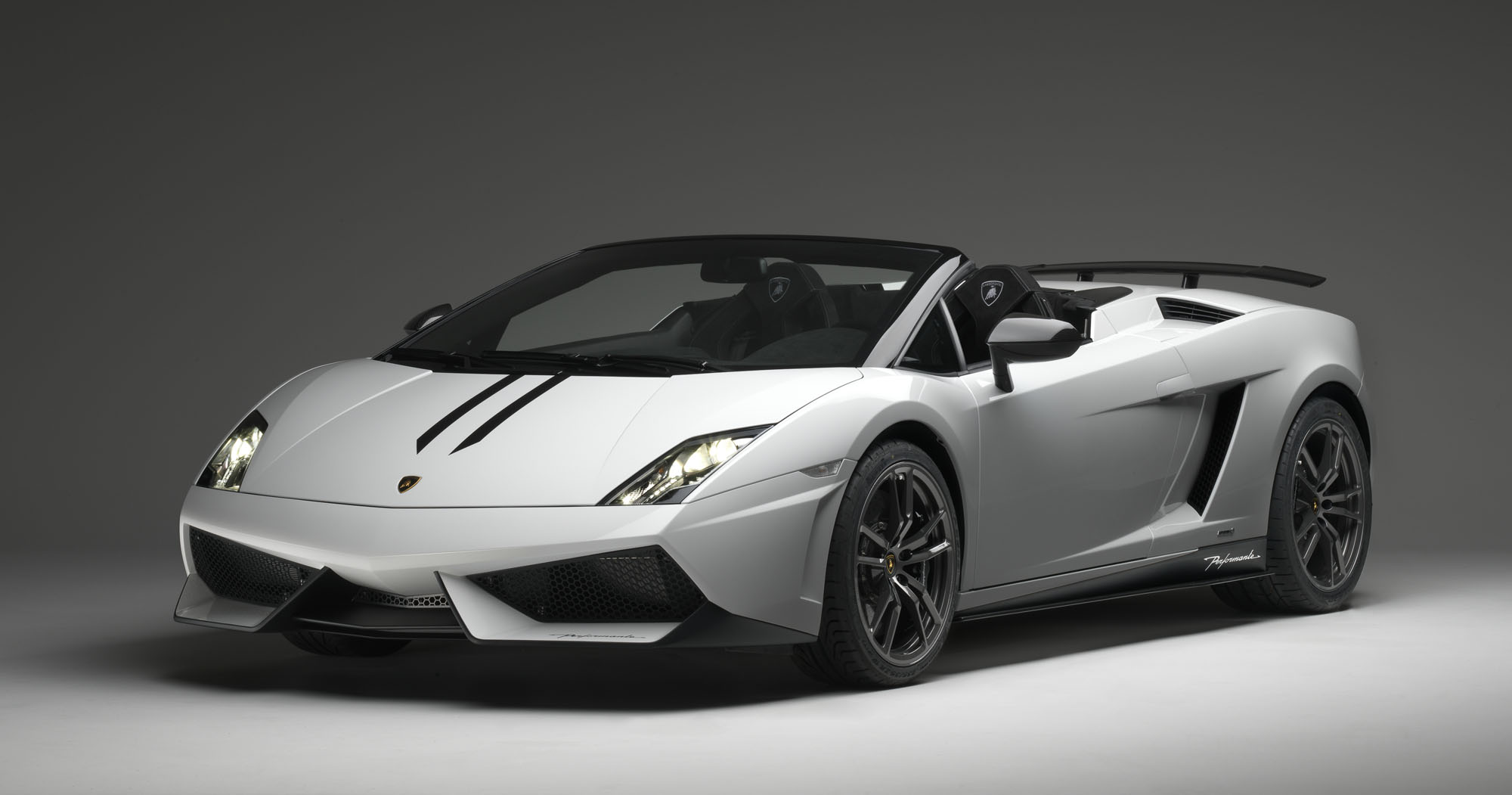
The Gallardo Spyder helped make open-top V10 performance a lasting part of Lamborghini’s identity. Its combination of naturally aspirated power, available manual transmission and dedicated convertible engineering established a formula that continued into the Huracán generation. As Lamborghini marks the model’s 20th anniversary, the Gallardo Spyder illustrates how a convertible variant became an important part of the manufacturer’s modern supercar history.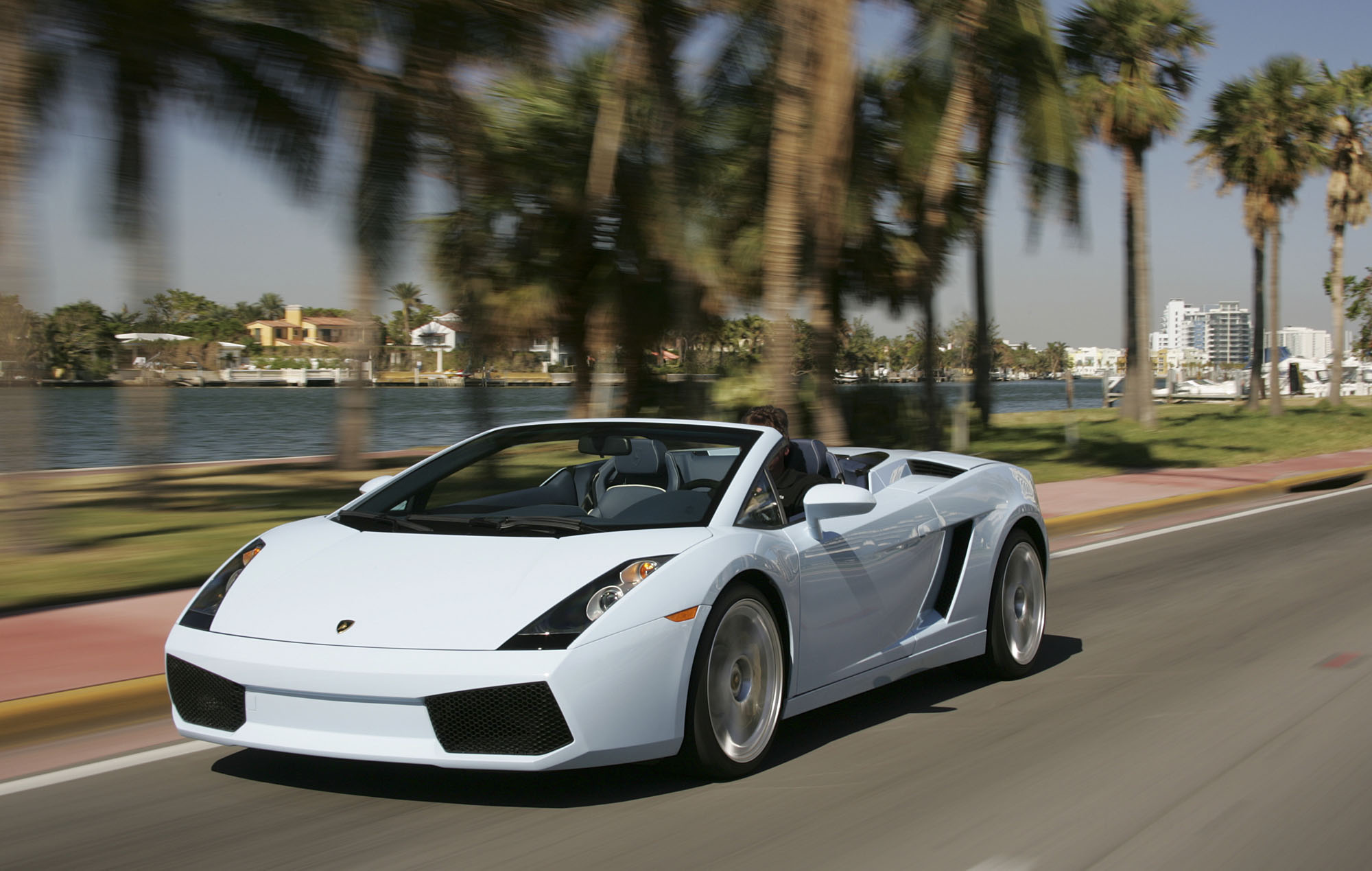
Specifications
| Specification | Original Gallardo Spyder |
| Unveiled | 2005 Frankfurt Motor Show |
| Market launch | 2006 |
| Engine | 4,961 cc V10 |
| Power | 520 CV at 8,000 rpm |
| 0–100 km/h | 4.3 seconds |
| Top speed, roof closed | 314 km/h |
| Top speed, roof open | 307 km/h |
| Roof operation | Approximately 20 seconds |
| Transmissions | Six-speed manual; six-speed e-gear |
| LP 560-4 Spyder | 2008; 560 CV |
| LP 570-4 Spyder Performante | 2010; 570 CV |
| Performante weight | 1,485 kg |
| Performante top speed | 324 km/h |
| Edizione Tecnica | 2012 |
Above contents © 2026 Lamborghini S.p.A., reviewed and edited by Rex McAfee , @rexmcafee 🏁