

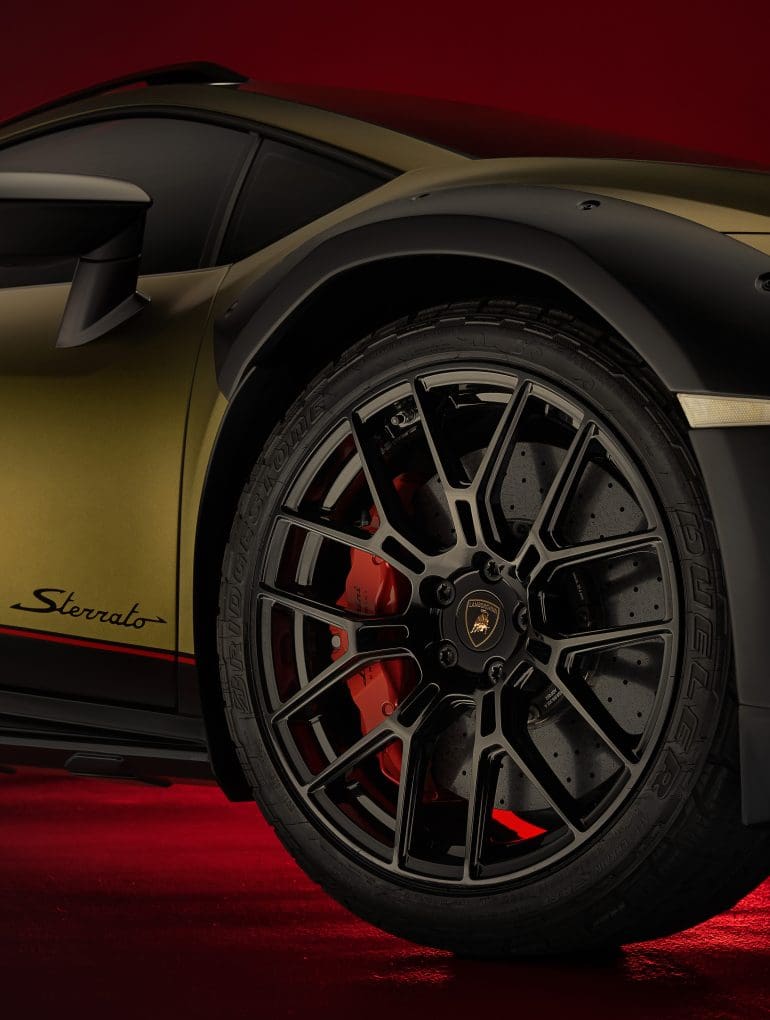

Whenever the topic of tires comes up, most car enthusiasts would probably jump straight to lap times or lateral G figures. But behind all those impressive specs, 0 to 60 mph times, quarter-mile runs and skidpad grip, there’s technology and engineering allowing all of that performance to pass through four rubber contact patches roughly the size of your palm. Engine performance is not as important as how it is transferred to the pavement with the help of tires. One could argue that understanding how tires have evolved, how they work and what types suit which job is more useful to a driver than memorizing any spec sheet.
A Short History of Going Faster on Rubber

To understand tire technology and its relationship with car performance, we must go back to its origins. The pneumatic tire predates the automobile’s rise; John Boyd Dunlop patented his air-filled bicycle tire in 1888. However, he wasn’t the only one developing tire technology, and by 1895 the Michelin brothers had bolted pneumatic tires to a car for the Paris-Bordeaux race.
It is well-documented that these tires failed constantly during the event, but they still outperformed the solid rubber tires available at the time. Air-filled rubber absorbed road imperfections and generated grip in a way that solid rubber never could, so the concept stuck.
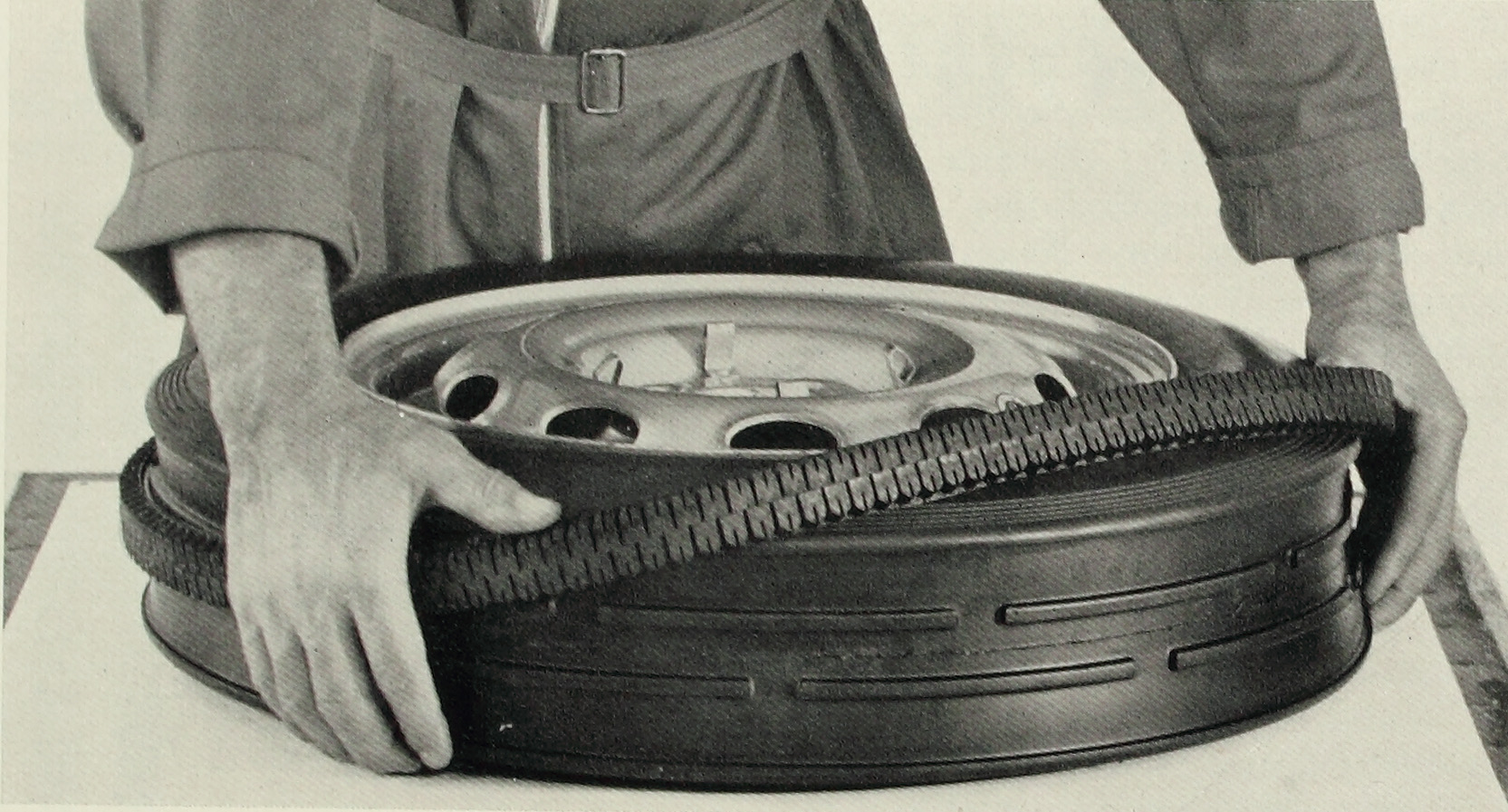
Then there were two breakthroughs that pretty much shaped everything we drive today. First, the industrial scale production of synthetic rubber started during World War II due to scarcity of natural supplies. Instead of accepting whatever the trees provided, chemists learned to tune rubber compounds which significantly improved quality and made it consistent. The second breakthrough was radial construction which was commercialized in the late 1940s.
This technology placed the internal cords perpendicular to the direction of travel and made the tires run cooler and lasted longer. Additionally, radials kept more tread on the road under cornering loads which helped with handling. Bias-ply holdouts in motorsport eventually surrendered, and by the 1980s the radial was universal.
With a Little Help from a Supercar
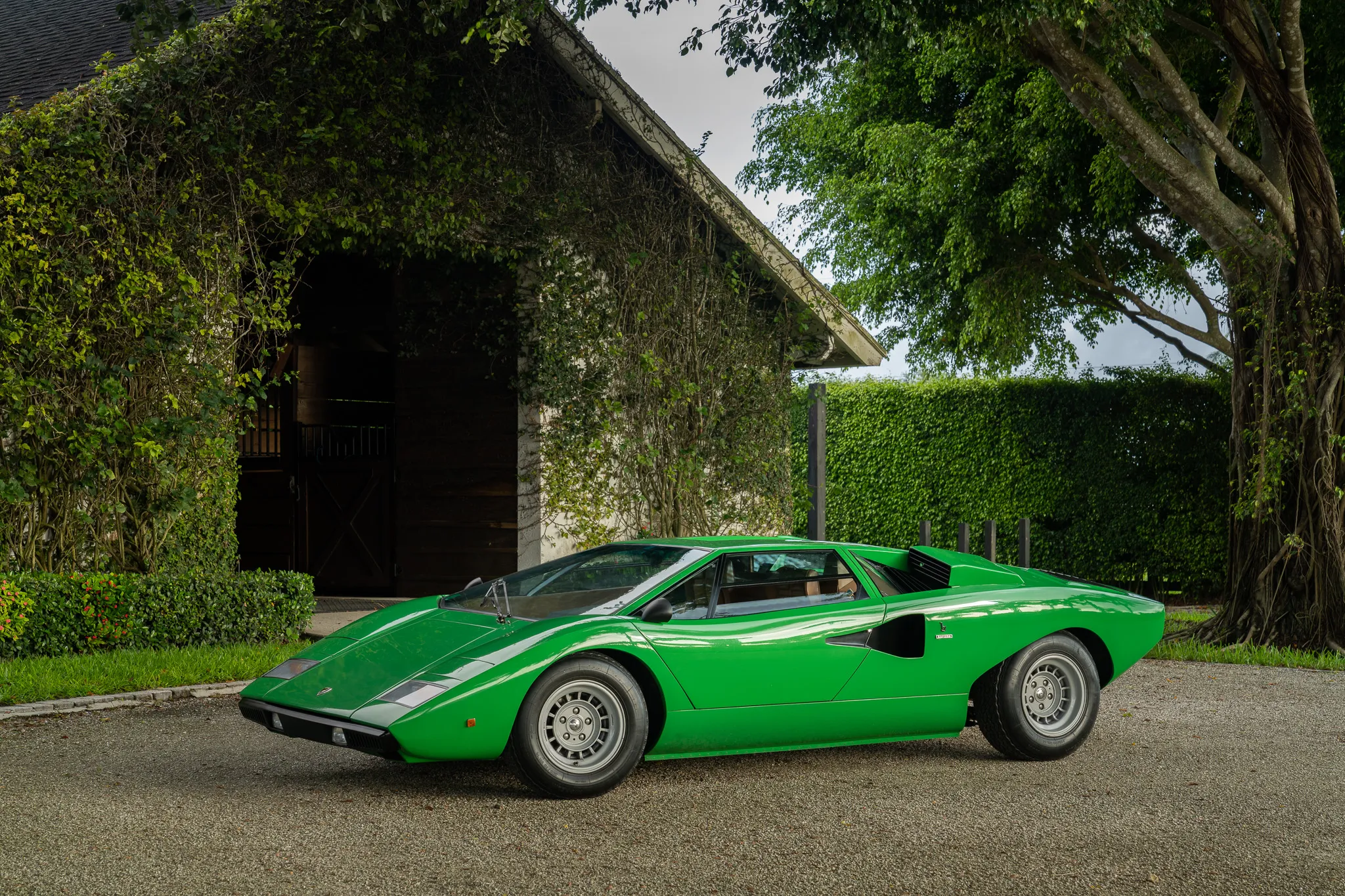
Supercars also played a role in developing tires. For instance, when Lamborghini needed rubber capable handling the Countach LP400 S in 1978 Pirelli came up with the P7. This tire is widely considered the first modern ultra-low profile performance tire. Shorter sidewalls meant sharper steering response, and the template for supercar fitment was set: wide, low and staggered front to rear.
What Makes a Tire Perform

Beyond marketing or enthusiast hype, high-performance tires come down to three engineering decisions: compound, construction and tread design. The compound is the chemistry used to make the tire. For instance, softer rubber with a higher natural or synthetic polymer content generates more mechanical grip because it conforms to the microscopic texture of asphalt. In this case, the trade off is wear and temperature sensitivity.
Silica was introduced widely in the 1990s, allowing engineers to soften the compound for wet grip without destroying rolling resistance and tread life. Many modern supercar tires often use multiple compounds across the same tread, with harder rubber on the outer shoulder to survive cornering loads.

Construction acts as the skeleton of the tire. Everything from belt materials, sidewall stiffness and carcass tension play a role in determining how the tire behaves at the limit. For example, a stiffer sidewall responds faster to steering input but transmits more harshness. Most tire manufacturers have learned to tune this balance for each application, which is why a tire developed for a mid-engine car with 40 percent front weight distribution behaves differently than the same model developed for a front-engine grand tourer.
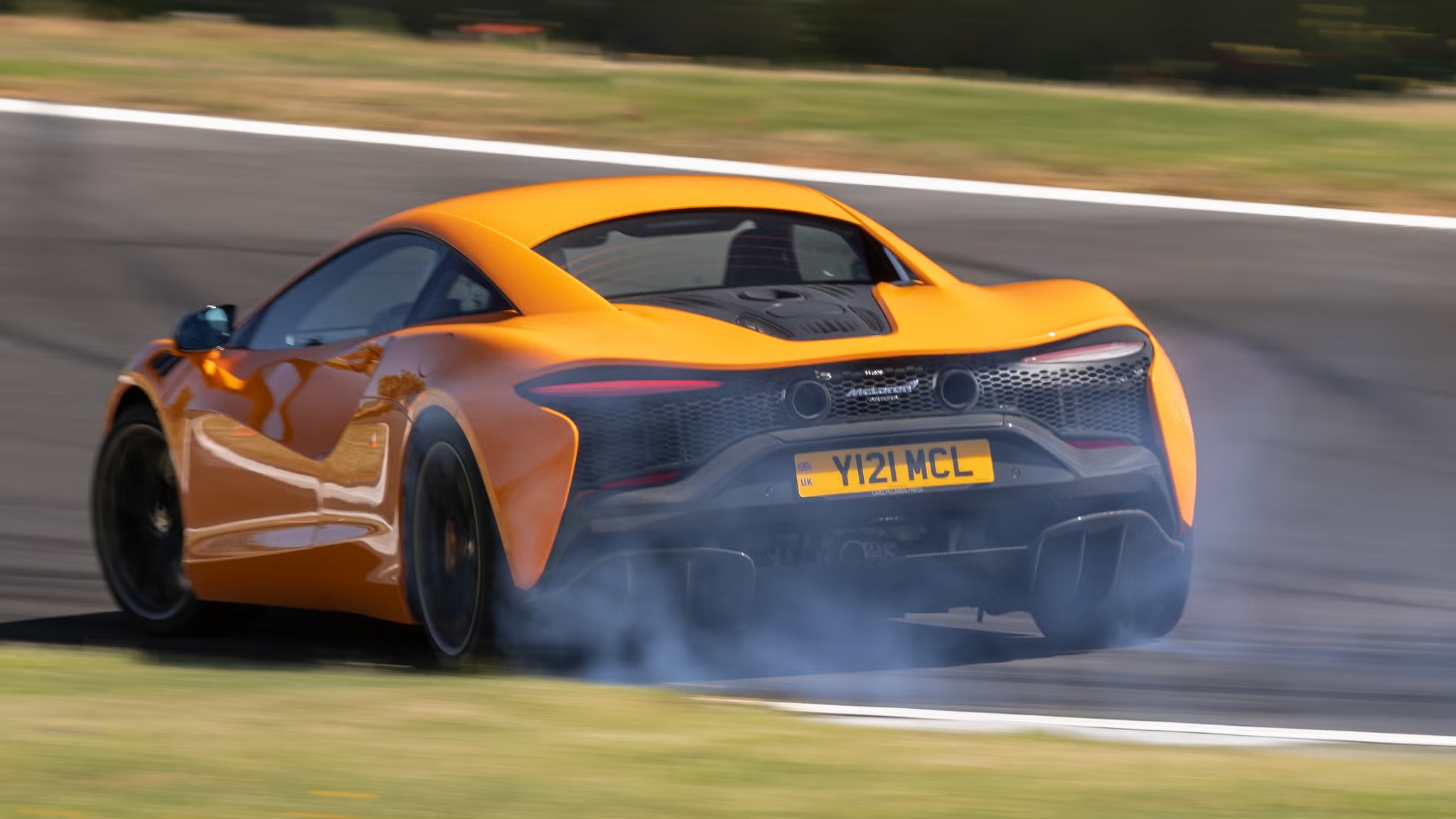
And last but not least there’s the operating window. Every performance compound has a temperature range, typically somewhere between 60 and 100 degrees Celsius (140 to 212 degrees Fahrenheit), where grip peaks. Below it the rubber is glassy and slippery. Above it the compound overheats and tears. In the case of track-focused tires, they have narrow, high windows. On the other hand, street tires trade peak grip for a wide window that works on a cold morning commute.
Types and Use Cases
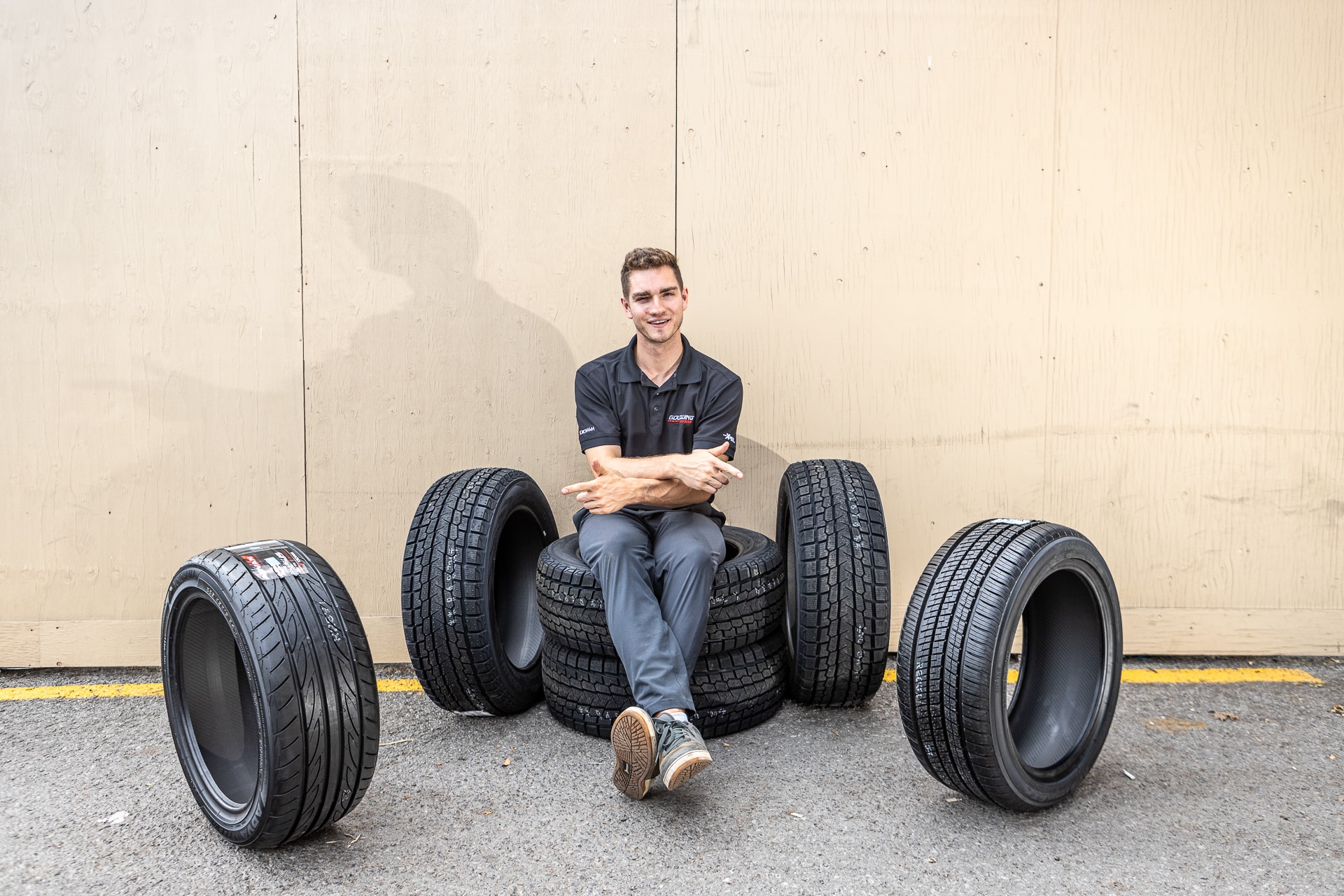
There is no single best tire, only the right tire for the job. Ask yourself where the car actually spends its time, then work from there.
Max performance summer tires are what most supercars wear straight off the factory floor. Soft compounds, barely any tread void and serious grip in warm weather. If your driving means spirited back roads with the odd track day thrown in, this is your tire. Just don’t get caught out when the thermometer drops. Below roughly 5 degrees Celsius (41 degrees Fahrenheit) the compound goes hard and slippery. And snow? Forget it.
Track and competition tires, the so-called R-compounds, are street-legal on paper and not much else. Get them up to temperature and the grip is astonishing. On a cold public road, though, a decent summer tire will actually outgrip them, and in the rain they can be genuinely scary. These belong on cars that get trailered to the circuit, or at most driven there gently.
Ultra-high performance all-seasons are the fastest-growing category right now, and it makes sense. Compound chemistry has come far enough that these tires grip respectably in the dry while still working in cold weather and even light snow. Daily-driving a sports car through four real seasons? This is probably your answer, modest grip penalty and all.
Touring and grand touring tires round things out. Quiet, long-wearing and safe in the wet, if not especially sticky. Perfect for the GT car that eats highway miles instead of chasing apexes.
The Takeaway
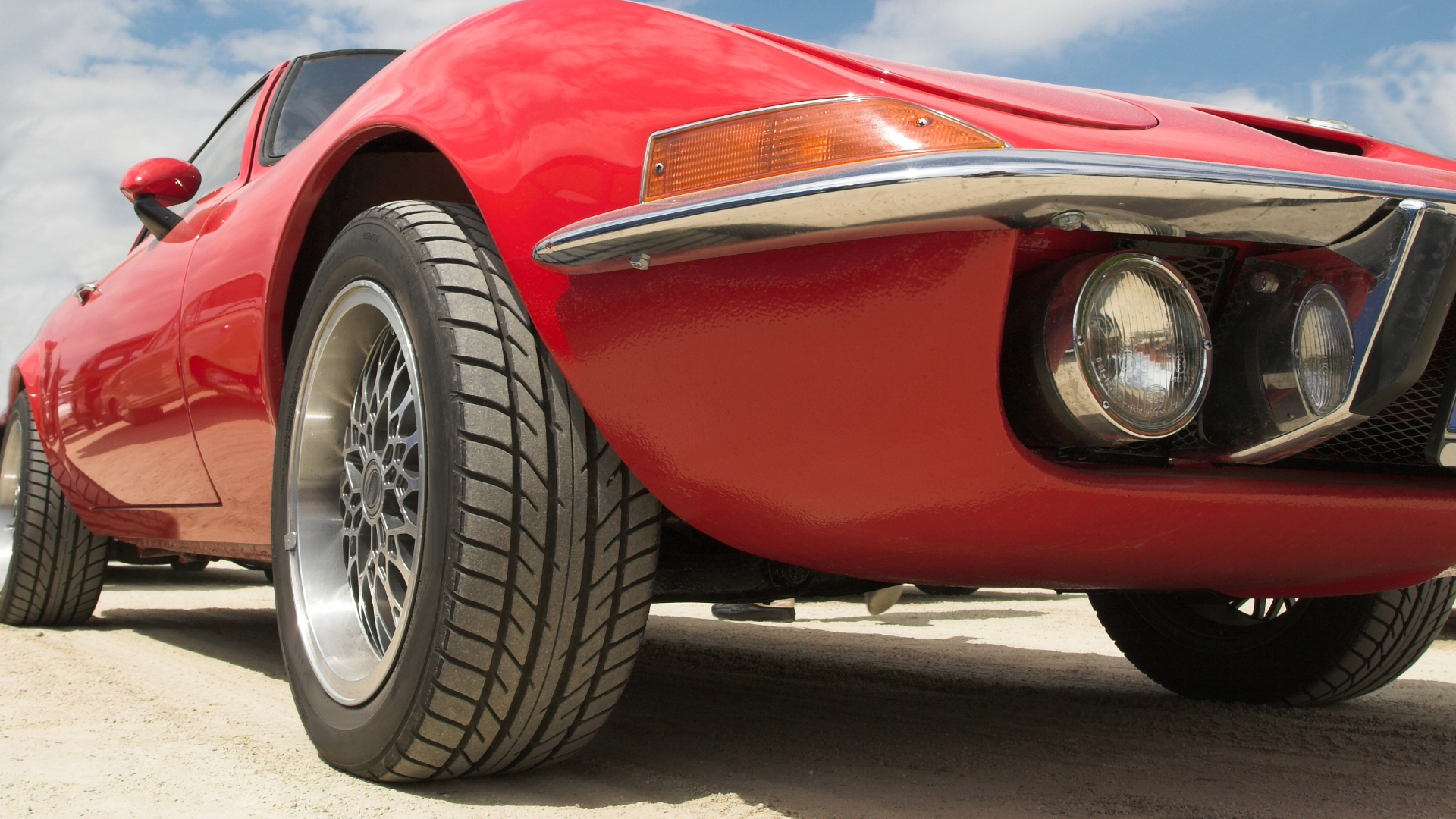
Your tires are the only component in your car that touches the road, and no suspension revision or software update can compensate for choosing the wrong rubber. But the good news is that for the past hundred years, compound chemistry and construction science have come a long way so there’s a purpose-built tire for virtually every car and every use case. It’s that complicated, just match the tire to the mission and keep it within its temperature and wear limits and even a modest sports car will reward you. Ignore it and no amount of horsepower will spare you.