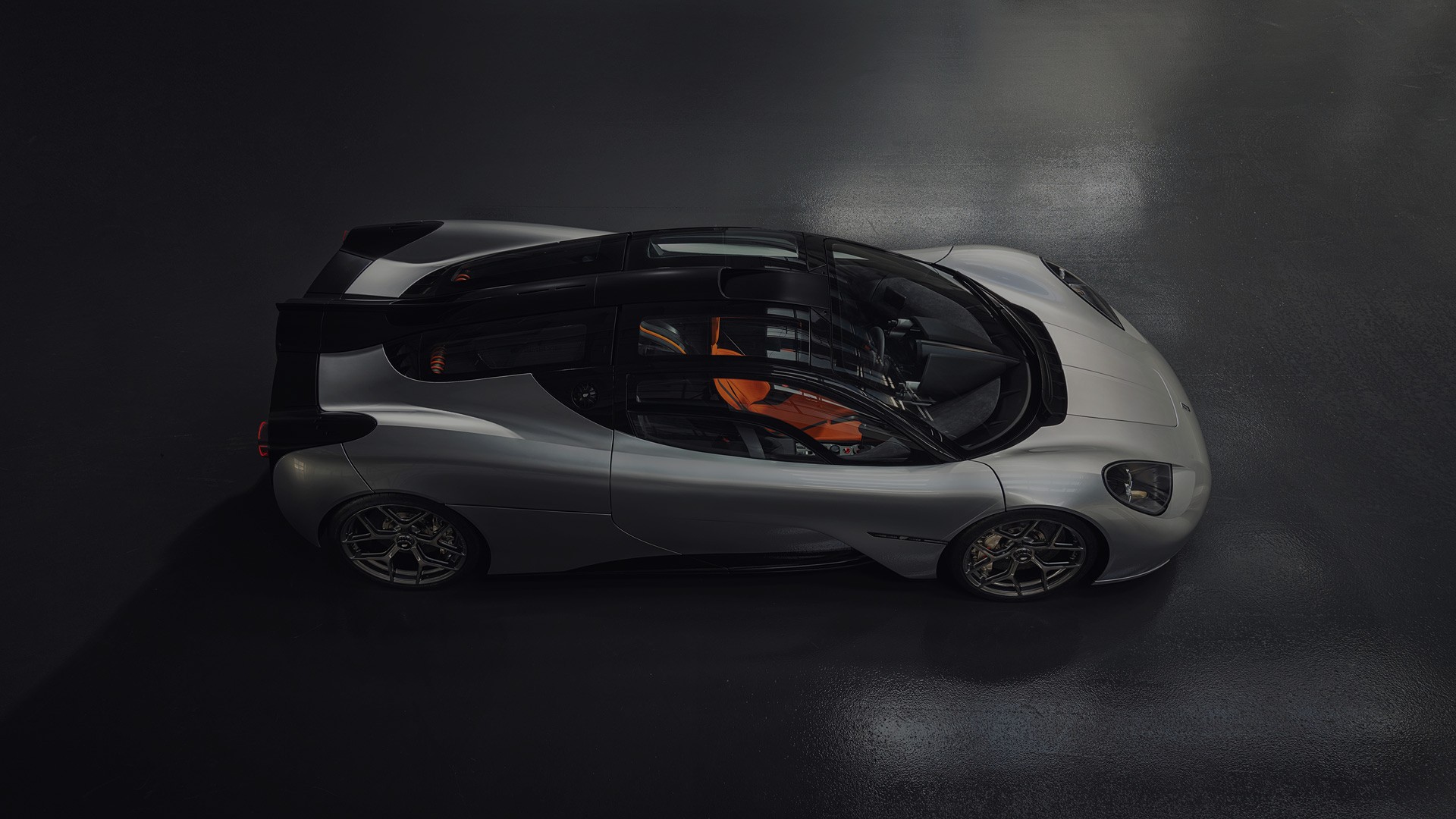

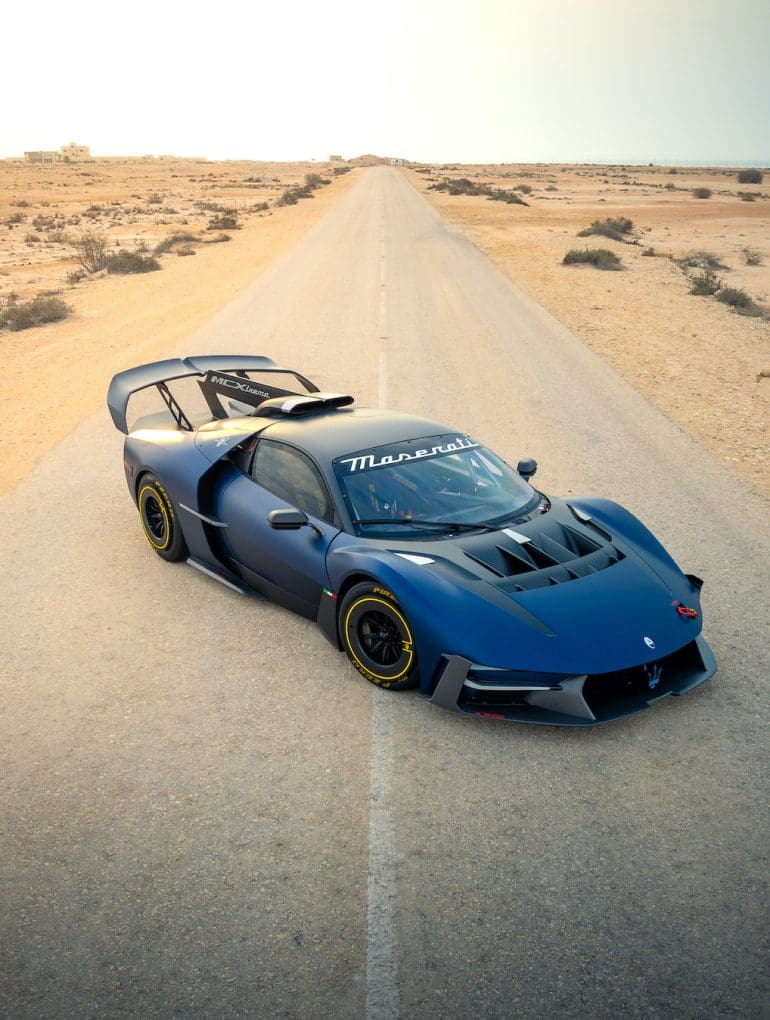
Most people draw a blank when you mention Doha and supercars in the same sentence. The Gulf exotic car conversation has a default setting, and Qatar isn’t typically it. Which is genuinely odd when you consider how long the pieces have been in place there: the wealth, the infrastructure, the collectors who have been building serious garages for years without much interest in announcing it. Spend a Friday evening around the Pearl district and the picture becomes clearer fast. The scene isn’t emerging. It’s already here, and the rest of the world is just getting around to noticing.
How Qatar Went From Oil Wealth to One of the Gulf’s Most Serious Car Cultures
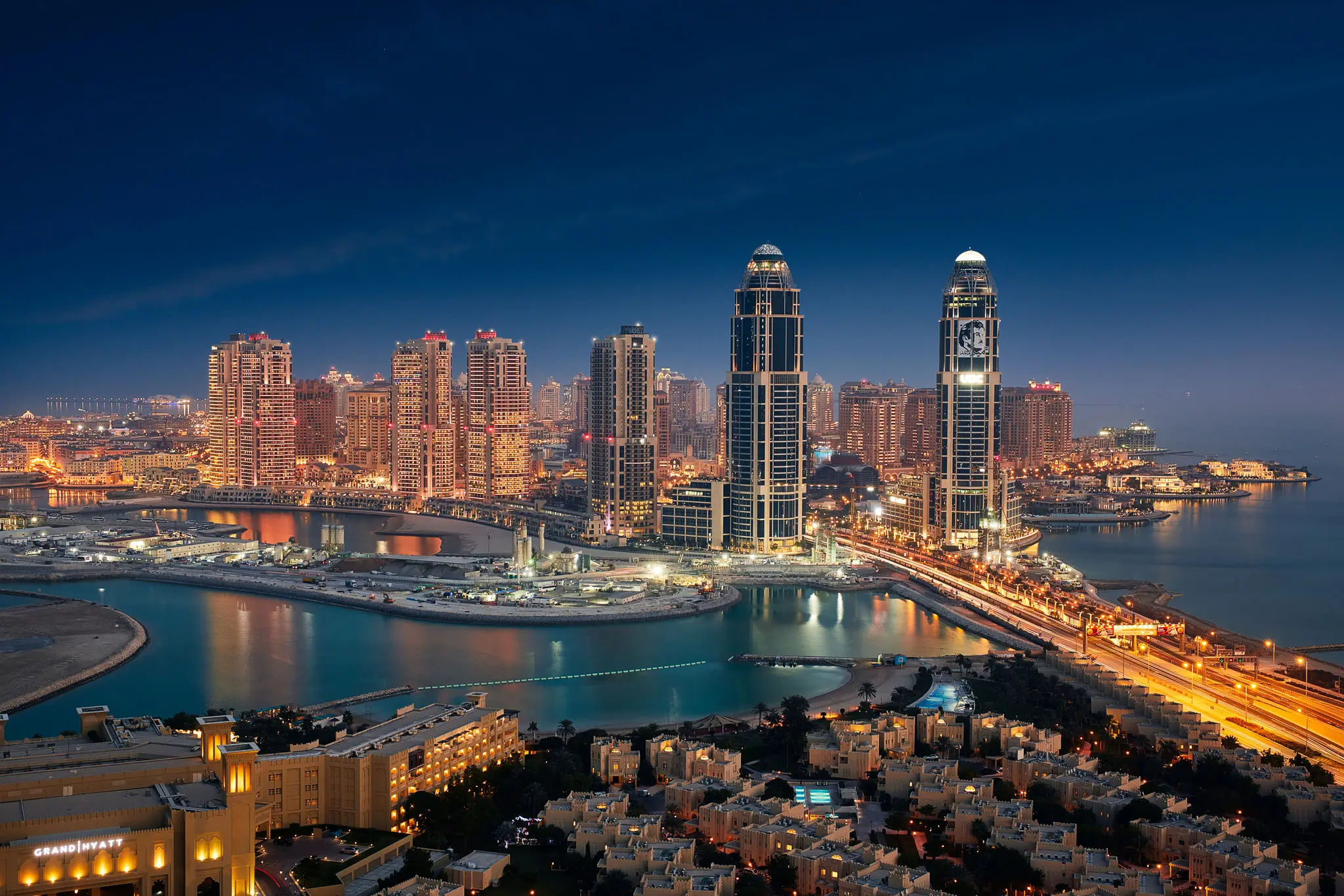
Qatar’s relationship with serious money goes back further than people tend to assume. Oil revenues started flowing in meaningful volumes through the 1970s, but the real shift came when LNG exports repositioned the country as one of the largest natural gas producers on earth. That transition happened within a single generation, which by any historical measure is extraordinarily fast. World Bank data puts GDP per capita at over $62,000 as of 2024, placing Qatar in the top ten globally, and the country has held that position long enough that this isn’t new money behaving like new money.
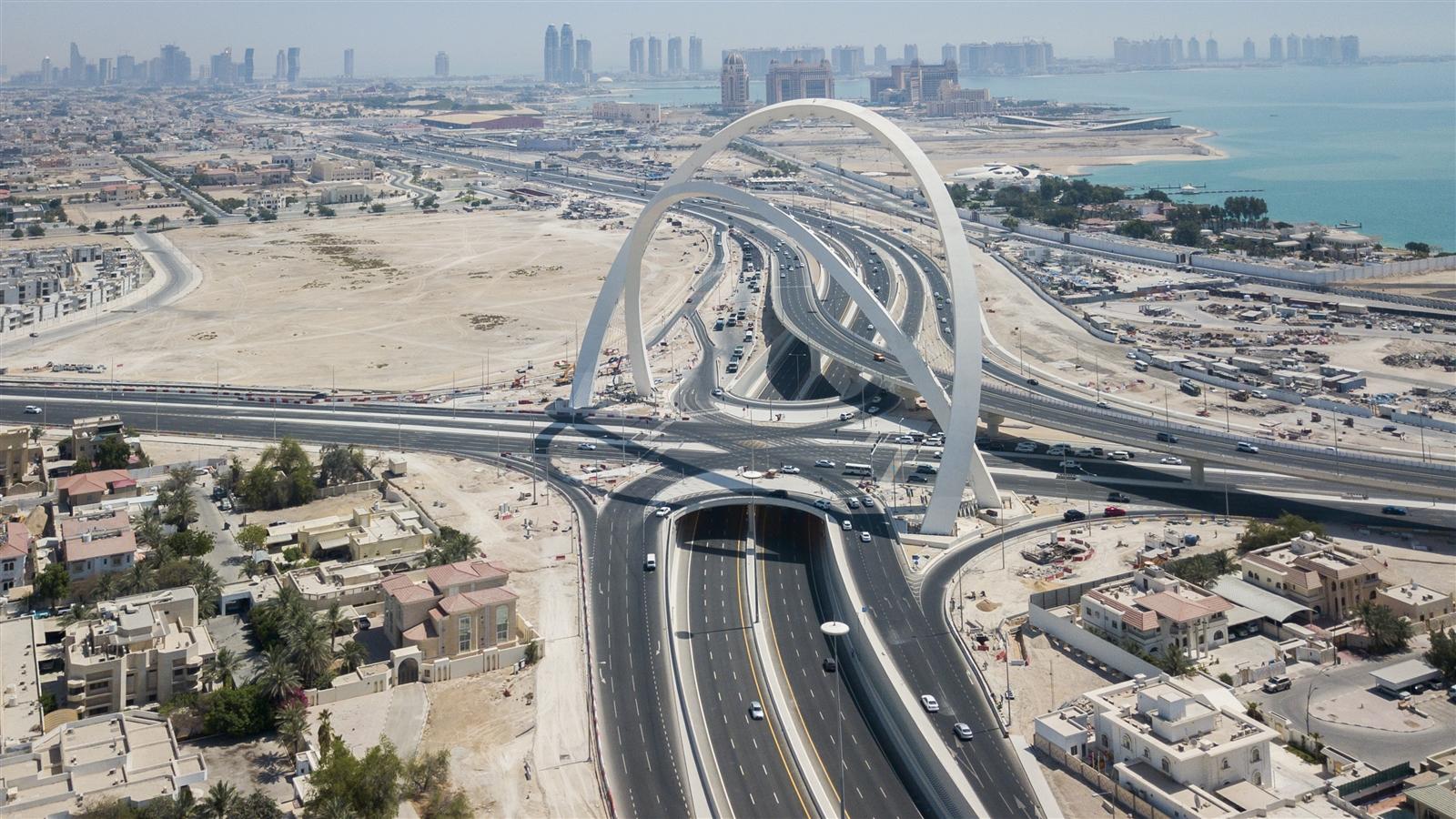
Infrastructure followed the wealth, as it tends to. Doha got wide roads, modern districts and a city layout that doesn’t punish you for owning something with serious performance. That last part matters more than it gets credit for. A collector scene doesn’t develop around cars that have nowhere to go. Doha gave enthusiasts somewhere to go, and the culture built itself from there without anyone particularly planning it that way.
What You’ll See on Doha’s Streets
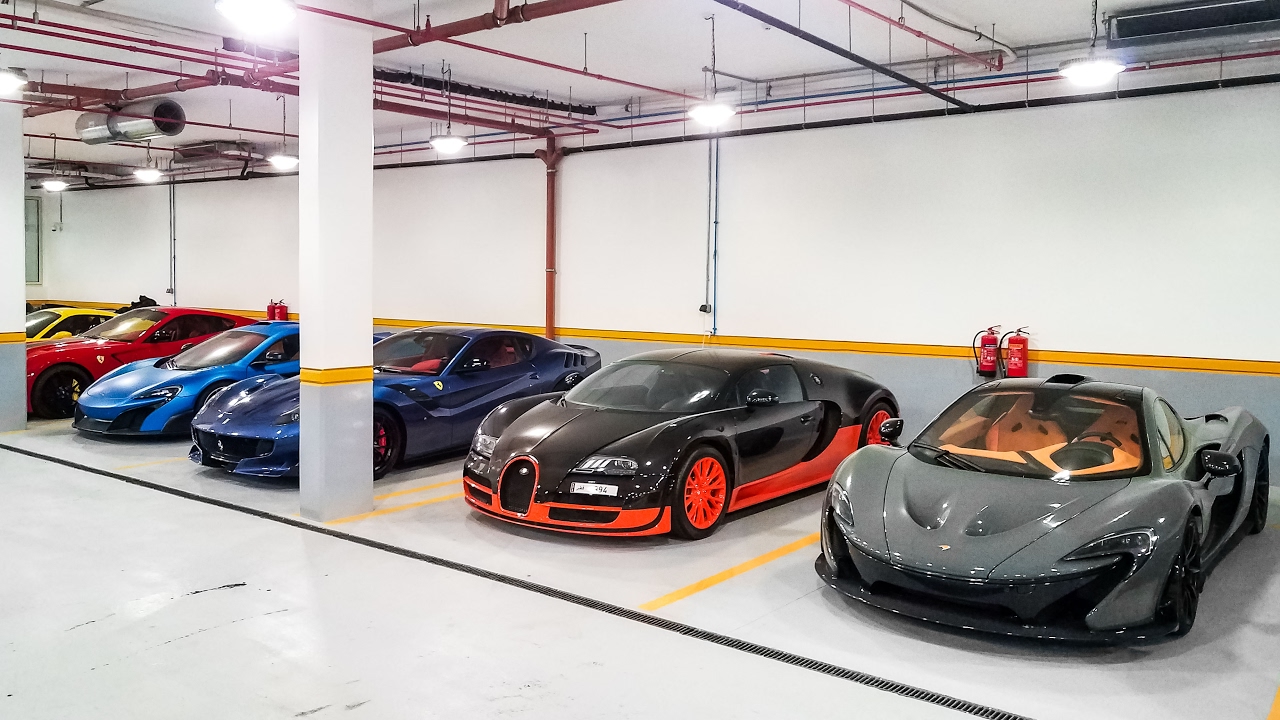
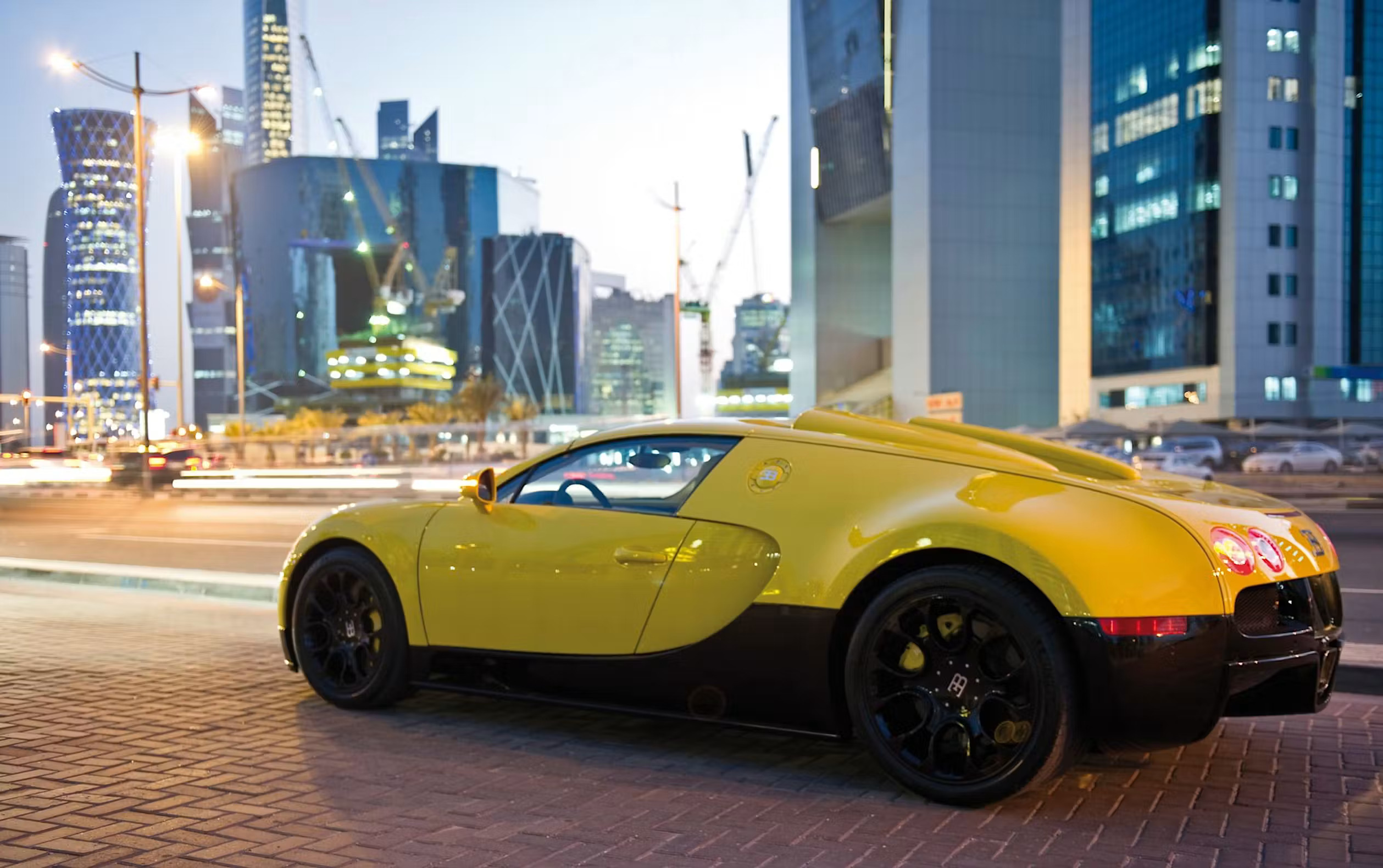
The Pearl-Qatar on a weekend evening is one of those places where your sense of what’s remarkable adjusts within about ten minutes of arriving. Ferraris stop registering. So do Lamborghinis, for that matter. What holds attention are the things a tier beyond that: a Pagani that belongs to someone who’s clearly been collecting for years, a Koenigsegg parked without any ceremony, a Chiron sitting between two Rolls-Royces that nobody nearby seems particularly interested in photographing. These aren’t cars brought out for an audience. They just live here.
Some of that character traces back to the Al Thani royal family, whose appetite for rare and bespoke machinery has been well documented over the years. There’s a tone that gets set when the most prominent people in a country treat car collecting as a serious long-term pursuit. It filters through the broader market in ways that are hard to quantify but easy to observe. The scene here has more depth than theatre, and that ratio isn’t accidental.
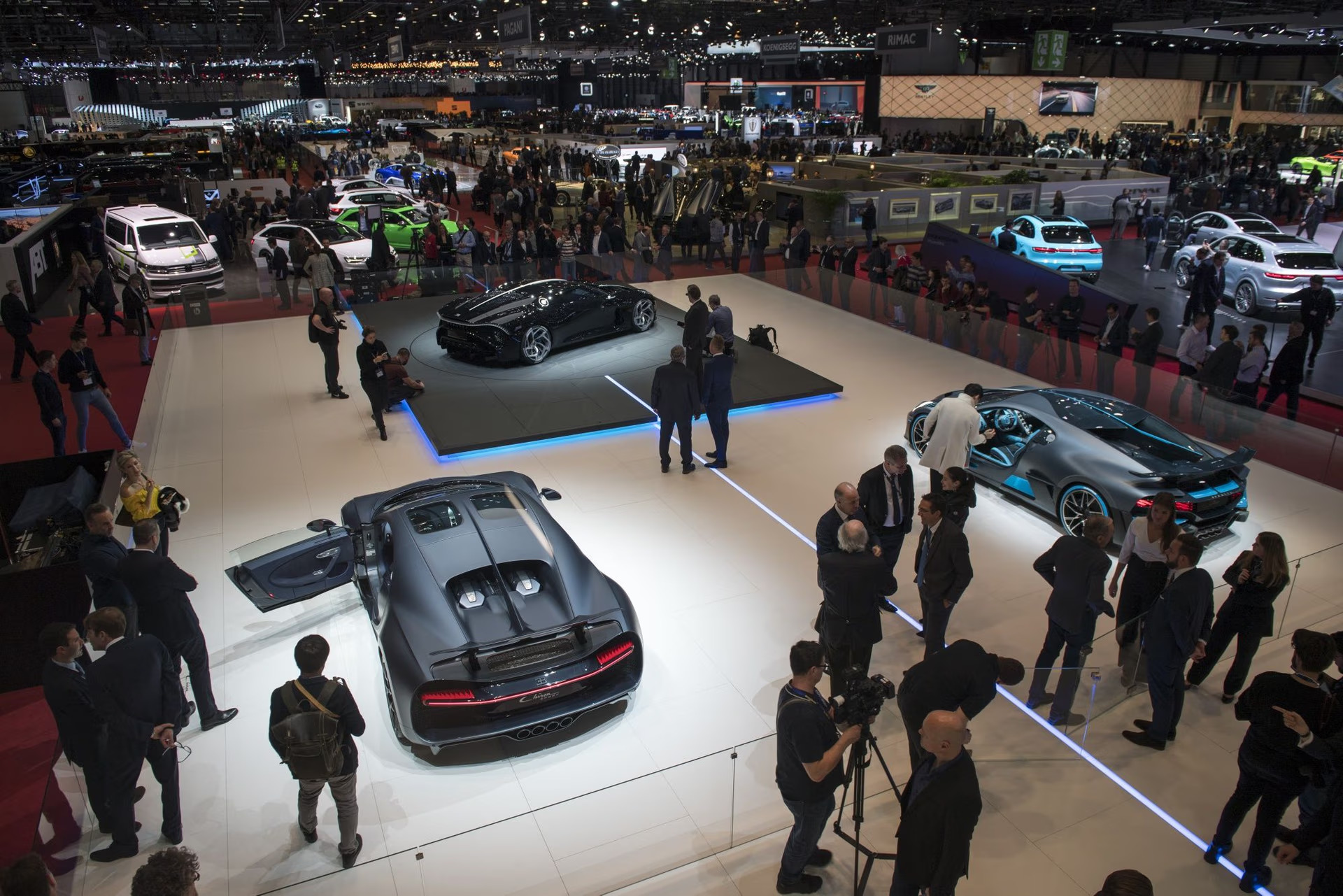
The 2023 Qatar Motor Show said something about where the market stands internationally. Doha hosted a version of the Geneva International Motor Show, the first time in 118 years the event had left Switzerland. Bugatti, McLaren, Lamborghini and Porsche all brought genuine debuts. Manufacturers don’t commit to that level of effort for a market they’re not already taking seriously.
Why Owning a Supercar There Is More Accessible Than People Assume
The tax environment is one of those factors that doesn’t make it into the lifestyle coverage but shapes everything underneath it. No personal income tax, and none of the annual vehicle taxation that makes high-value car ownership a recurring financial event in most European countries. A car that carries a significant fiscal burden in Germany or the UK arrives in Qatar at a meaningfully different number. Buyers operating at that level notice, even when budget isn’t the thing driving the decision.
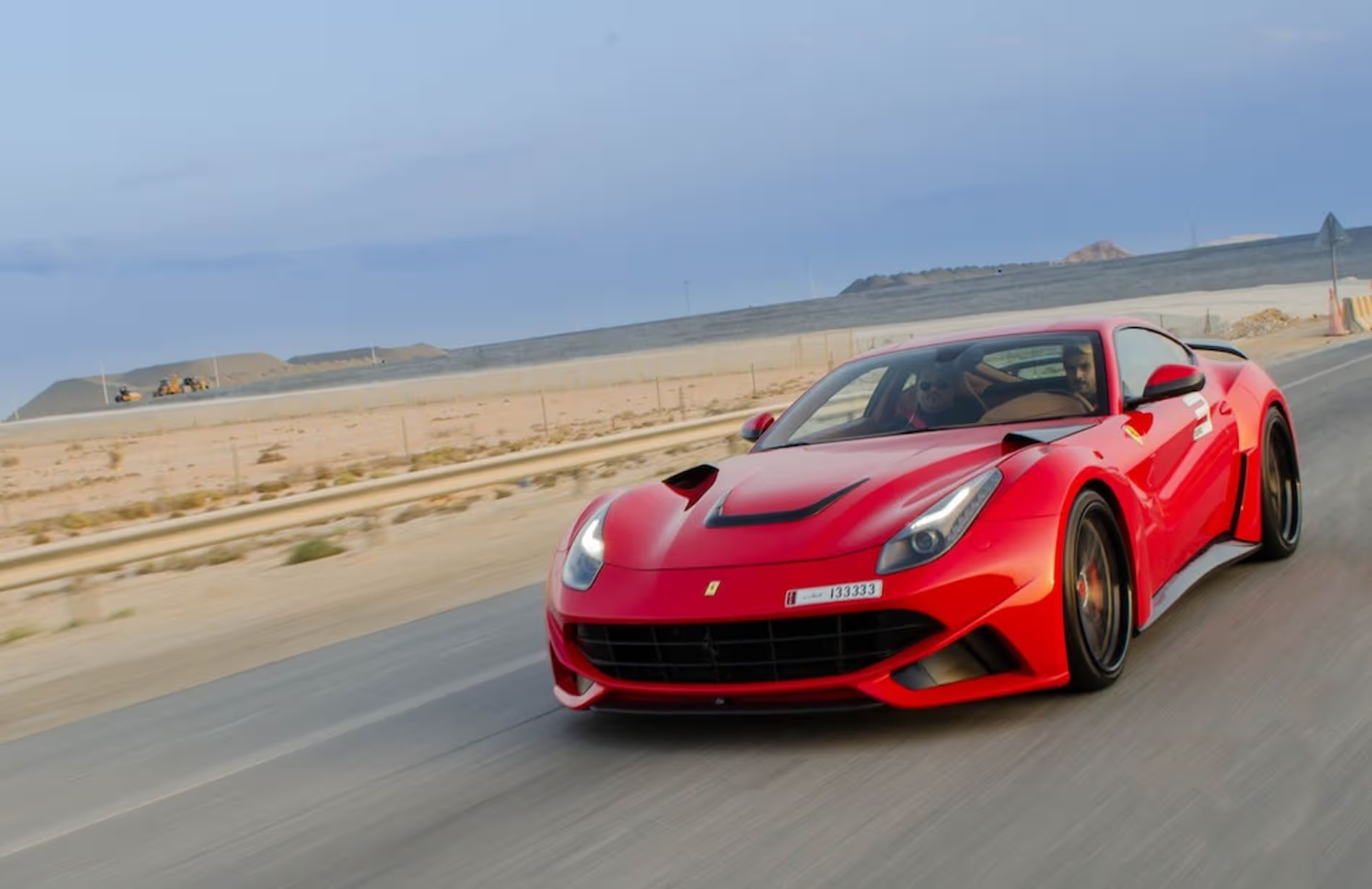
Heat is the variable that demands the most planning. Doha summers regularly exceed 113 degrees Fahrenheit (45 degrees Celsius), and that sustained temperature does real things to tires, brakes and cooling systems over time. Collectors who have been at it for a while develop a rhythm around it, keeping track use to the cooler months between October and March, storing anything particularly sensitive through the peak of summer. It becomes second nature, but it’s a consideration that catches newer owners off guard.
The part that often gets sorted out too late is coverage. Exotic vehicles need a different approach than a standard motor policy provides, and car insurance at this level means agreed value protection, access to specialist repair networks and coverage built around risks that are specific to the region. Sandstorm damage isn’t theoretical here. Getting the policy right before something happens is a much more straightforward conversation than the one that happens after
Qatar Lets You Actually Drive the Things
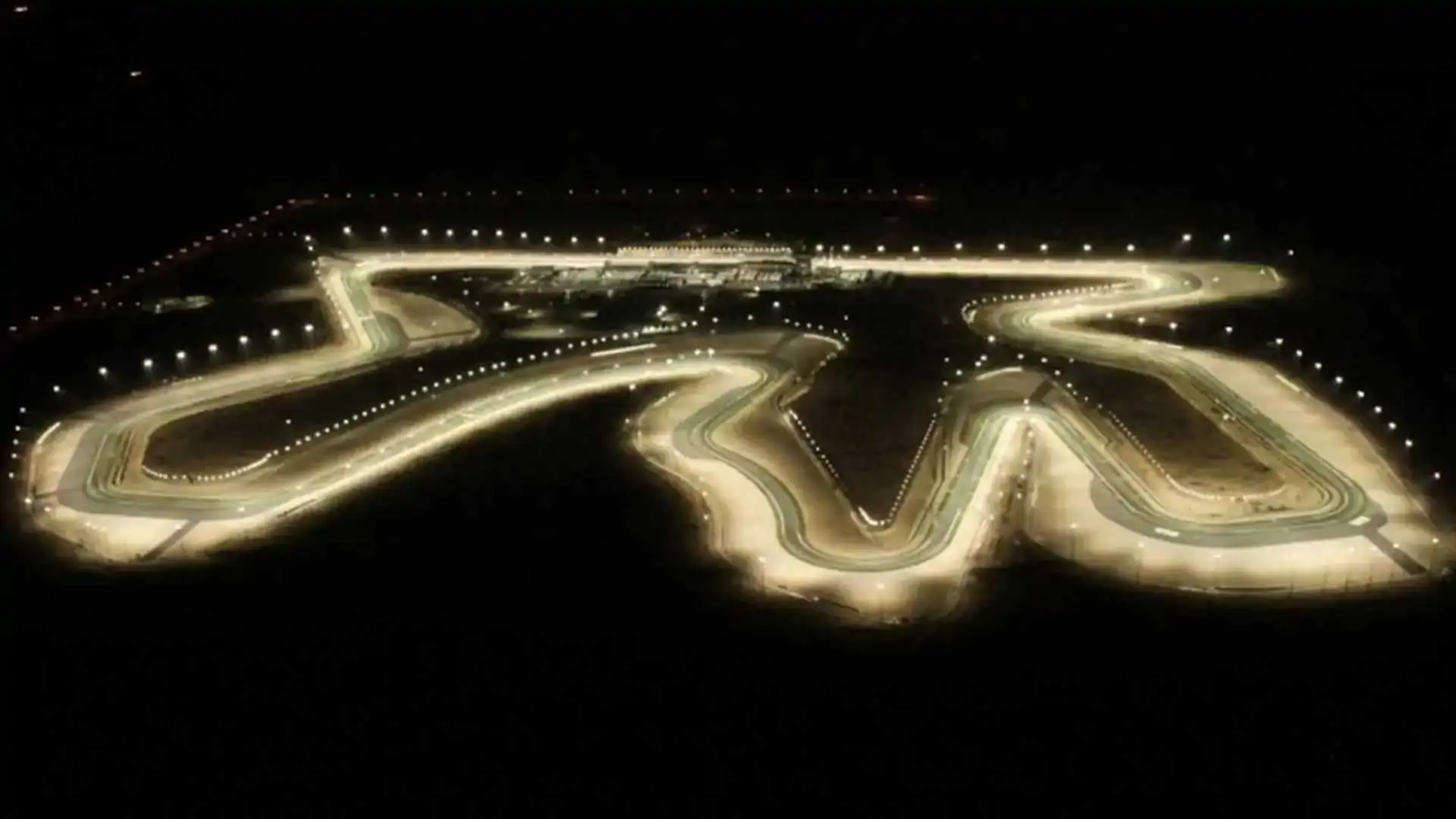
Lusail International Circuit is close to the city, well run and hosts regular track days that give owners a real outlet for what their cars can actually do. That sounds like a small detail but it isn’t. A lot of supercar cultures around the world are essentially display cultures, cars acquired for what they represent rather than what they do, and the scene reflects that. Qatar has an outlet for people who want to actually use the machinery, and it shapes the conversations collectors have with each other in ways that are noticeably different from scenes built around visibility.
The roads contribute to it as well. Doha isn’t a gridlocked city by the standards of larger metros in the region, and the daily experience of owning something with genuine performance on tap is different here because of it. There’s a usability to the scene that doesn’t always get acknowledged when people write about Gulf car culture from the outside.
The Rest of the World Is Catching On
The 2022 World Cup put Qatar in front of an international audience that largely hadn’t been paying close attention, and parts of the luxury market absorbed that momentum. Auction house participation from Qatari buyers has grown since, with particular appetite for rare and historically significant cars. The money and the interest were already there. The broader recognition is what’s newer.
The scene here wasn’t built toward a reputation and isn’t especially interested in comparisons. It developed because the conditions existed, and it’s been getting more serious, steadily and without much fanfare, for longer than most people on the outside have realized. That might actually be the most Qatar thing about it.