

Let’s say you finally track down that used Aston Martin DB9 you’ve been hunting for months. It’s got the right color, the manual gearbox, and sensible miles. There’s just one catch: it’s sitting at a dealership four states away. Driving it home across a thousand miles of interstate grime and sketchy truck-stop parking lots is definitely not how you want to start your ownership journey. Maybe your dream car is a Maserati GranTurismo from a private seller, or a Quattroporte you snagged at an auction for less than the price of a new Camry. Whatever the keys are to, the buying part is done. Now comes the stressful part, which is getting it home in one piece.
That final step trips up far more buyers than you’d think. People will spend half a year researching a car, only to hand the keys over to the cheapest hauler they can find without a second thought. If you’re moving an ordinary used crossover, that’s completely fine. But when you buy a car with your heart, the way it travels matters just as much as the deal you scored. Ultimately, your decision comes down to two simple words: open or enclosed.
How Open Transport Works, and Where It Falls Short for Exotics
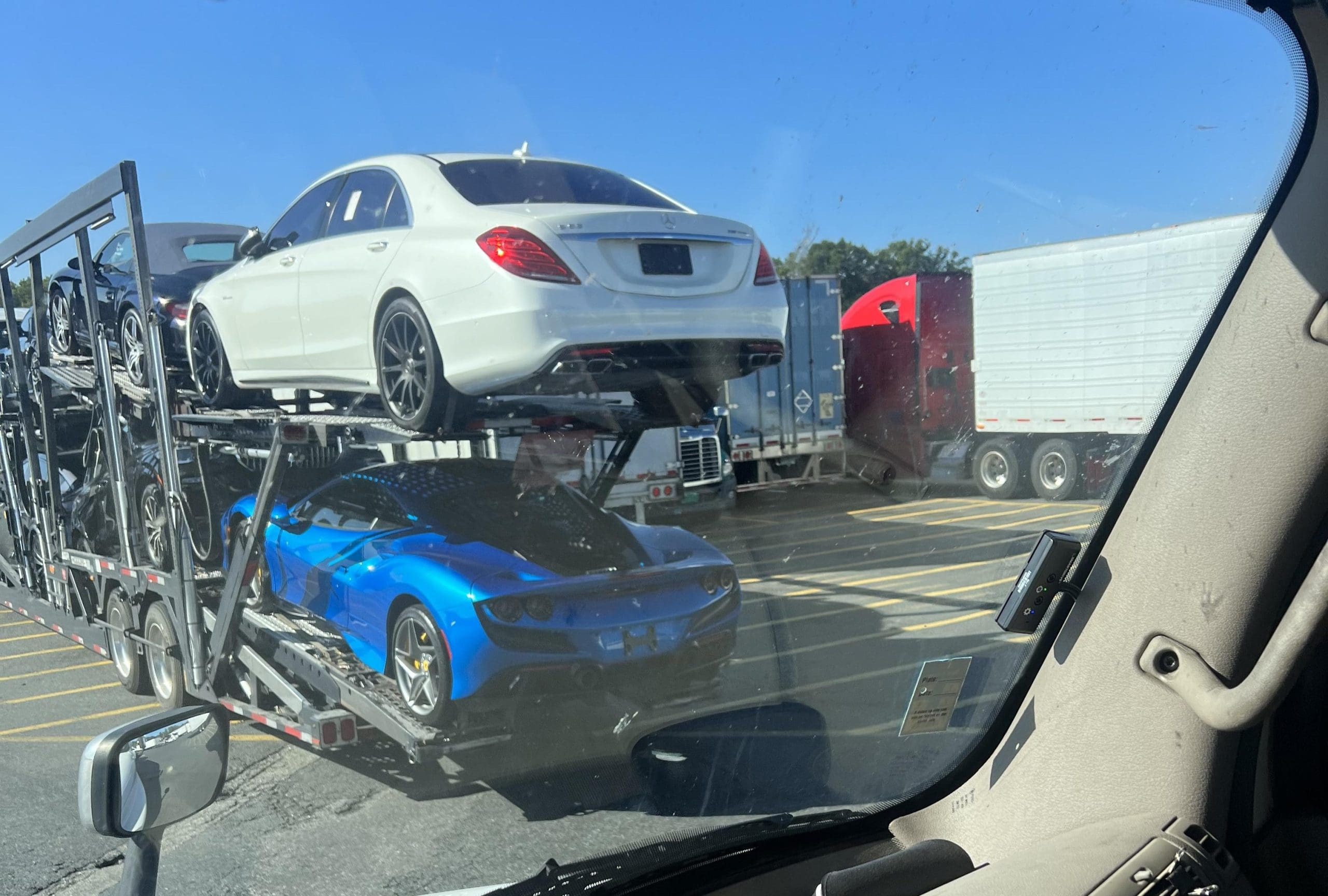
Open carriers are exactly what you picture when someone mentions car shipping. We’ve all seen them: those massive, double-decker rigs loaded up with eight or ten vehicles, rolling down the highway in a downpour. They dominate the industry for an obvious reason because there are tons of them, they book quickly, and they cost less. If you need to move a three-year-old family SUV across the state, this is absolutely the right answer. No one should try to talk you out of it.
Exotics, however, are a completely different story. On an open trailer, your car spends the entire journey exposed to harsh weather, road spray, bugs, and whatever fluids happen to leak out of the vehicle riding above it. Then there’s the headache of loading. A DB9 with a low front lip does not play nice with a steep metal ramp; that scraping sound at pickup is enough to haunt your dreams. Theft and vandalism are other worries people tend to forget. A beautiful car sitting in plain sight at every fuel stop between Dallas and Denver draws the kind of attention you’d really rather avoid.
Inside Enclosed Transport: What You’re Actually Paying For
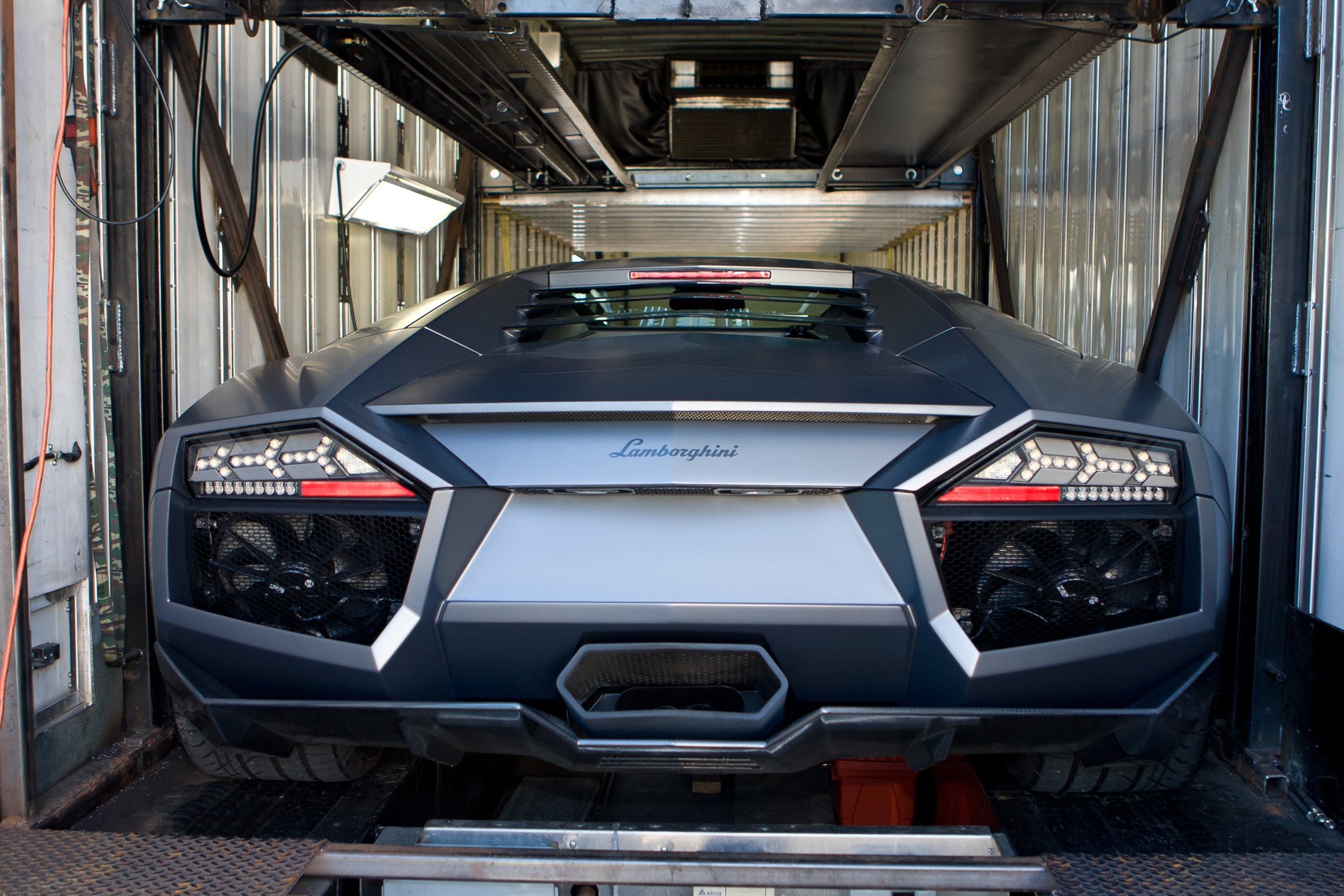
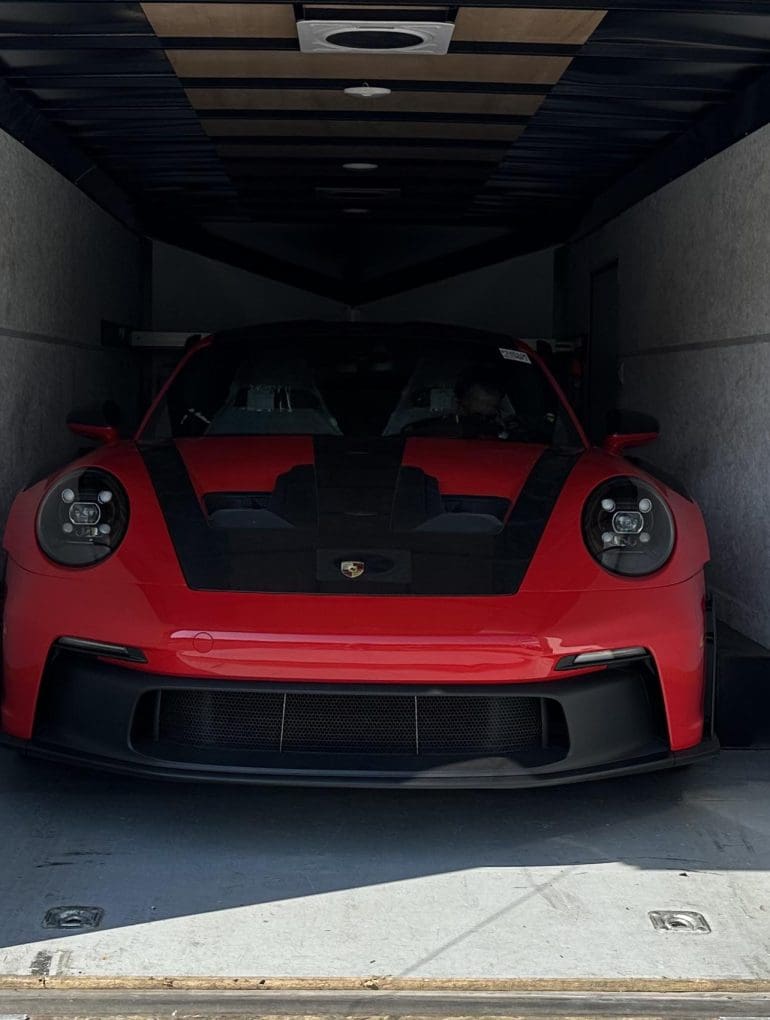
Enclosed transport is a completely different bet. Your car rides safely inside a covered trailer, staying out of the elements and out of sight until it arrives at your driveway. Keep in mind that not all enclosed services are identical. Hard-sided trailers offer the absolute best protection against flying road debris. Soft-sided trailers run a bit cheaper while still keeping your car dry and hidden. To trim the bill, you can share a multi-car enclosed trailer, or you can pay extra for a private rig where your car is the only cargo aboard.
But what are you really paying for? It’s the driver. Enclosed haulers are a specialized breed. Most of them do this work because they actually love cars. They’ve moved enough Astons and Maseratis to know the exact jacking points, the cold-start quirks, and the right way to tie a vehicle down without bending an expensive suspension component.
Open vs. Enclosed Shipping at a Glance
| Feature | Open Transport | Enclosed Transport |
| Protection | Exposed to weather, debris, & fluid leaks | Fully shielded from elements & road debris |
| Loading Style | Steep metal ramps (risky for low clearance) | Often utilizes hydraulic liftgates (stays flat) |
| Security | Highly visible at every highway stop | Hidden away from prying eyes |
| Driver Expertise | General cargo handlers | Specialized high-end vehicle handlers |
Liftgates, Tie-Downs and the Details That Matter
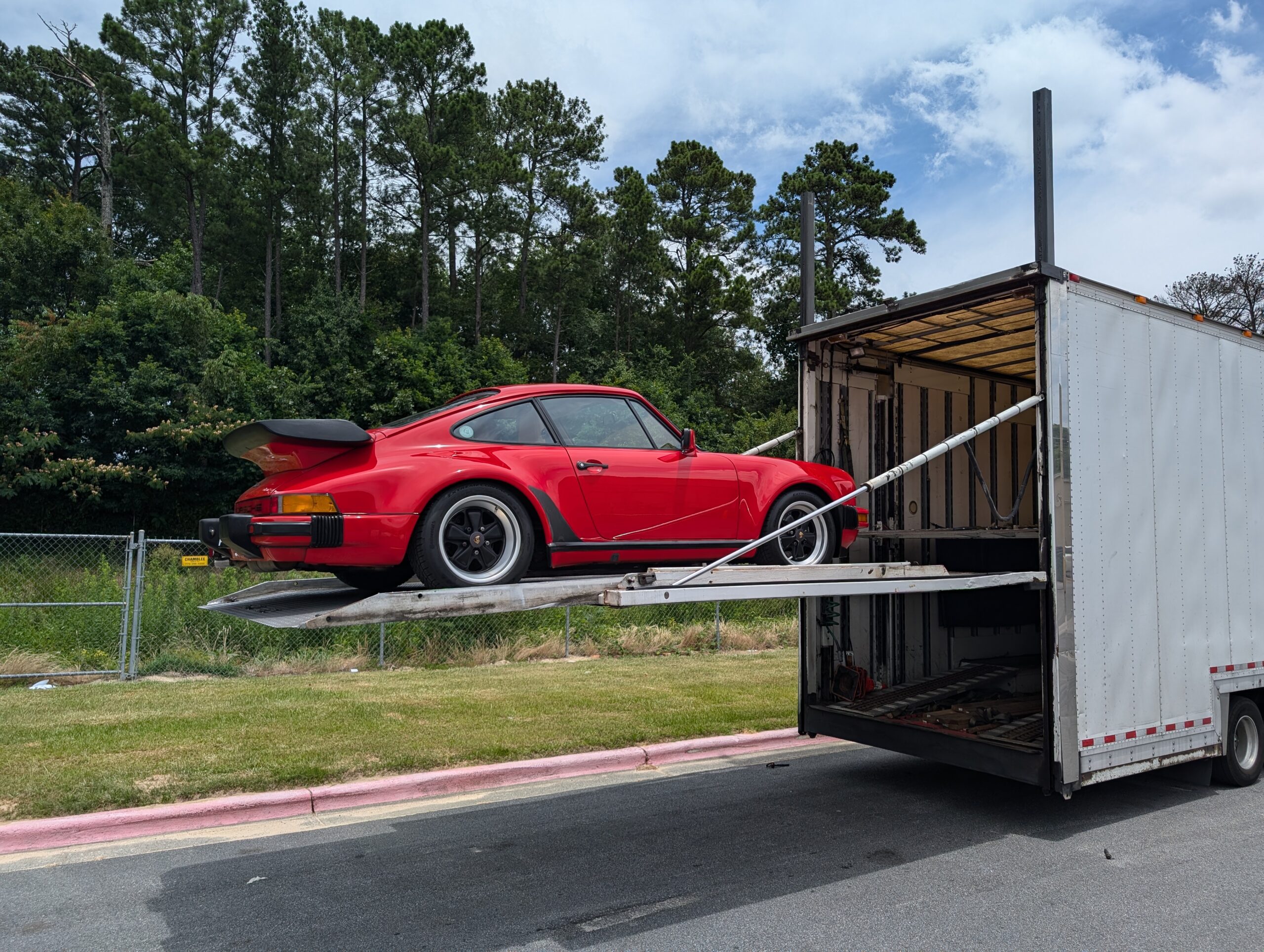
Asking a few specific questions will tell you right away if a carrier knows their stuff. First, ask if they use a hydraulic liftgate. A liftgate raises the vehicle completely flat rather than dragging it up a steep angle, which saves your low bumpers and exhaust tips from damage.
Next, ask how they secure the vehicle. Soft straps over the tires hold the car securely by its wheels, leaving the suspension and bodywork completely untouched. This is lightyears better than chains hooked to whatever metal bracket is most convenient. Finally, check if a single driver stays with the truck the whole way. Fewer handoffs mean fewer chances for something foolish to happen to your car.
What Enclosed Shipping Costs and How to Get a Quote

There is no point pretending this is cheap. Enclosed shipping typically costs about 40 to 60 percent more than open transport on the exact same route, and a private, single-car trailer climbs significantly higher from there. You are paying for scarcity. Fewer of these trailers exist, each one hauls fewer cars per run, and specialized drivers charge for their expertise. Factors like how far your pickup location sits from a major freight corridor, the time of year, and current fuel prices all fluctuate, meaning two quotes for the exact same trip can land surprisingly far apart.
The fastest way to see realistic pricing is to run your route through an online calculator before you start calling carriers. You can get a quote in a few seconds at RoadRunner Auto Transport with their car shipping calculator which hands you a solid baseline to sanity-check anyone who calls you back. Just punch in your pickup and drop-off points, choose the enclosed option, and you’ll have a real number to work with instead of a wild guess.
Insurance and Valuation Questions to Ask First

Before you sign on the dotted line, get total clarity on insurance. Ask exactly what the carrier’s cargo coverage pays out per vehicle, and make sure they put that figure in writing. Plenty of standard commercial policies cap out well below what a clean GranTurismo goes for these days, leaving you dangerously exposed if things go sideways on the highway. If you find a gap in coverage, an agreed-value policy through your personal insurer can close it. Just confirm that the declared value reflects today’s actual market value rather than a lowball number meant for a standard sedan.
Making the Call: When Enclosed Is Non-Negotiable
Deciding between the two options is easier than it looks. A rare car, a freshly detailed vehicle, or anything carrying genuine collector value points straight to enclosed shipping. The same goes for long-distance hauls, winter routes where road salt ruins undercarriages, and any trip ending at an auction block or a car show where a single stone chip will cost you judge points. On the other hand, a solid, modern daily driver traveling a couple hundred miles in July doesn’t need any of this, and spending the extra cash there is just a waste of money.
The whole question gets much simpler once you stop viewing the premium as an added cost and start treating it as cheap insurance. Spending a few hundred extra dollars to shield a car worth fifty or a hundred grand is nothing compared to dealing with a cracked windshield, a sandblasted hood, or a transport horror story you’d rather not have to tell your friends. When you can’t just go out and buy an identical replacement tomorrow, put it in the box.