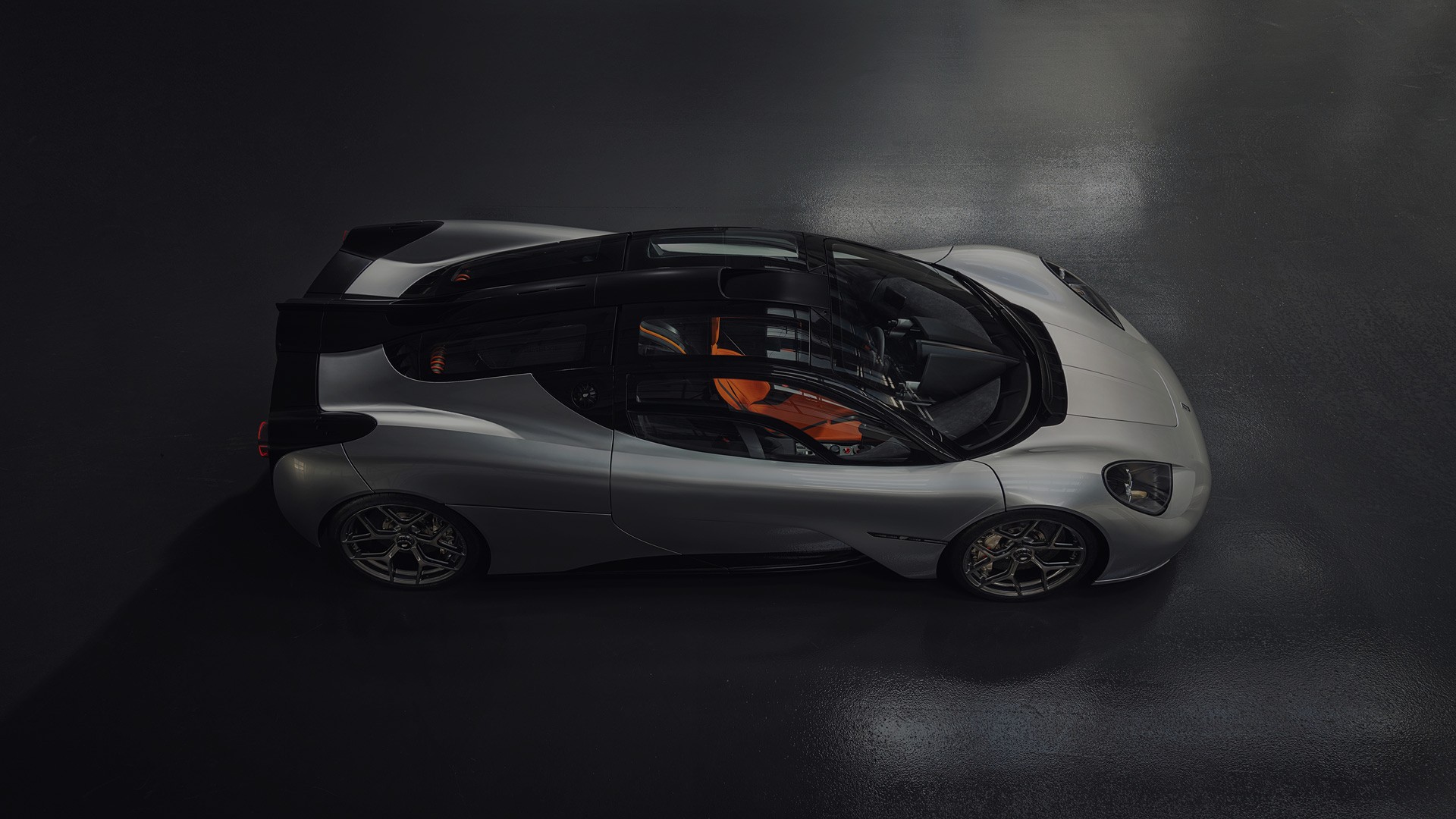

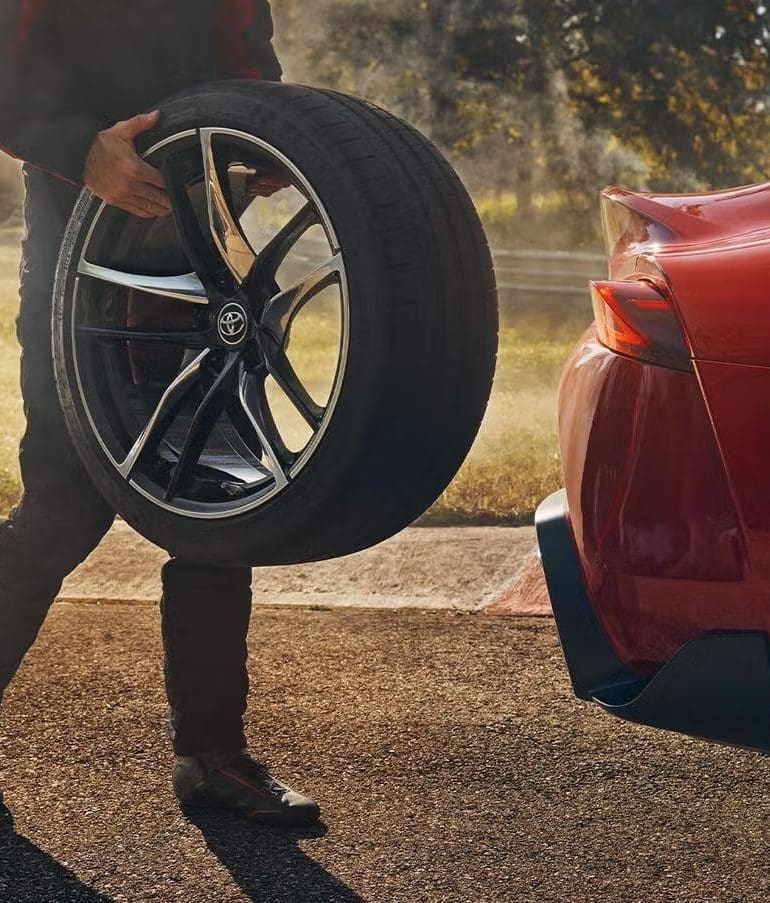

Most of us don’t think about car care or our tires unless there’s a problem. A puncture that leaks air slowly rather than quickly. A road covered in water. A moment of doubt when you feel your car doing what you didn’t expect. In that moment, you’re feeling your tires. It’s those four little pieces of rubber that make so much else in your car possible.
And that’s where high-performance tires come in. They aren’t just for the cars you see on TV, the bright paint gleaming in afternoon light, barreling down the track. They’re for people like you. The weekend retro cruiser.
That sports compact you have that probably makes more power than the car your grandma used to pick the grandkids up from school in. And the minivan. Yes, the minivan, because some of you out there used to drive cars with 250 horsepower and rear-wheel drive, and you kind of missed how it felt. So what makes them perform?
What Makes High-Performance Tires Different?
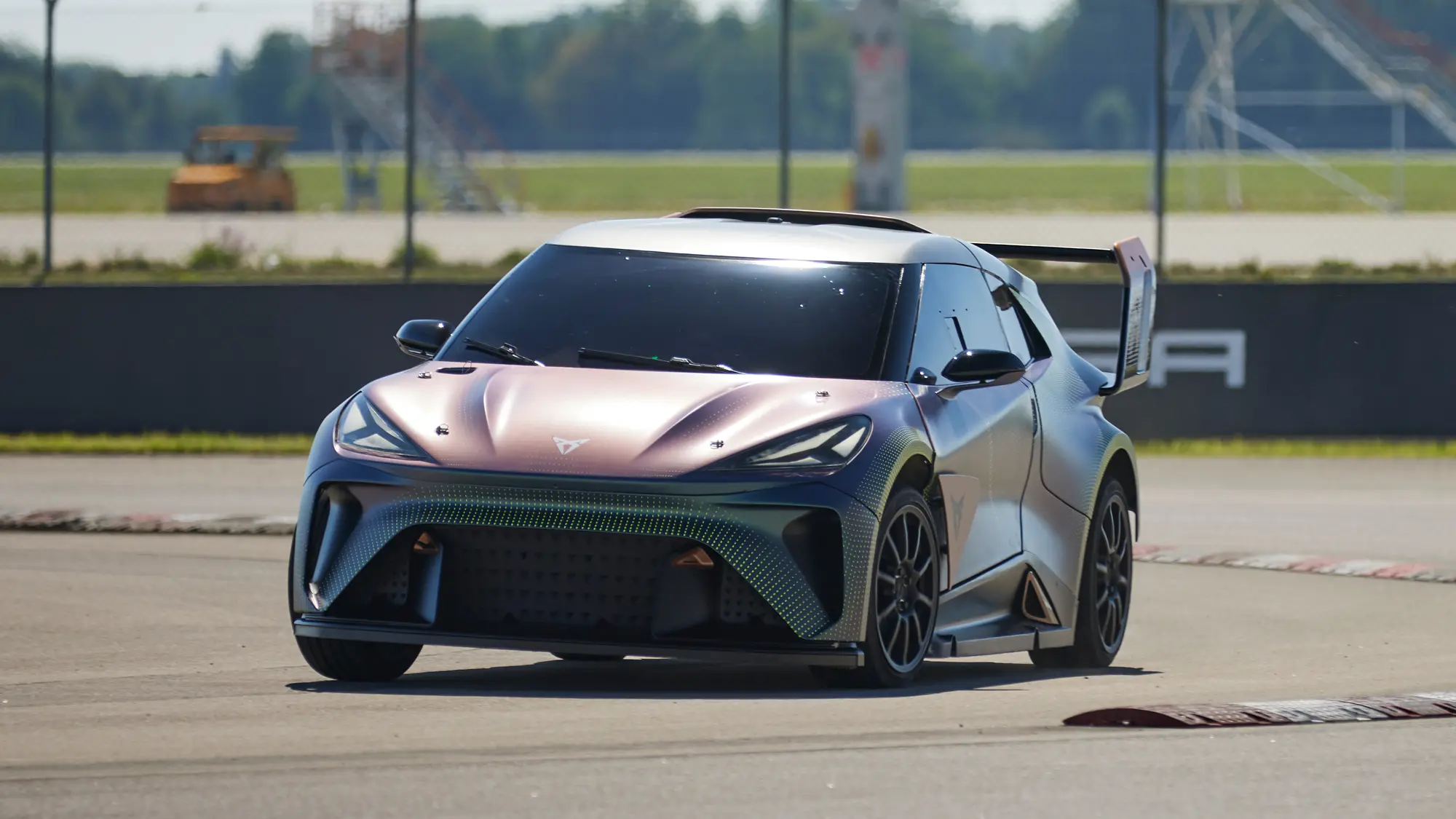
It really comes down to how they help you connect to the road. High-performance tires use a stickier rubber and stiffer tread blocks and sidewalls. That’s a fancy way to say they’re built so you can really feel the difference.
Turn a corner fast, and the car won’t be wobbly; slam on the brakes, and the car bites harder and stops sooner; even day-in and day-out driving feels like your car is waiting for you to give it a command.
They can handle the pressure, literally. If you take the twists and turns too tight or too fast, these tires are made to withstand whatever you’ve got.
The Real Benefit: Confidence Behind the Wheel

The biggest reward is not power. It’s confidence. With your car shod with high-performance tires, your steering feels better. Sharper. Nimbler. Your car feels more lively. More agile. In other words, you have to do less forward planning whenever things get busy or whenever you have a couple of things to consider when switching lanes on the interstate.
It’s not about driving aggressively. It’s about driving without any worries. And having a good idea of how your car will respond to everything you’re doing with it.
Are They Actually Worth It for Everyday Driving?
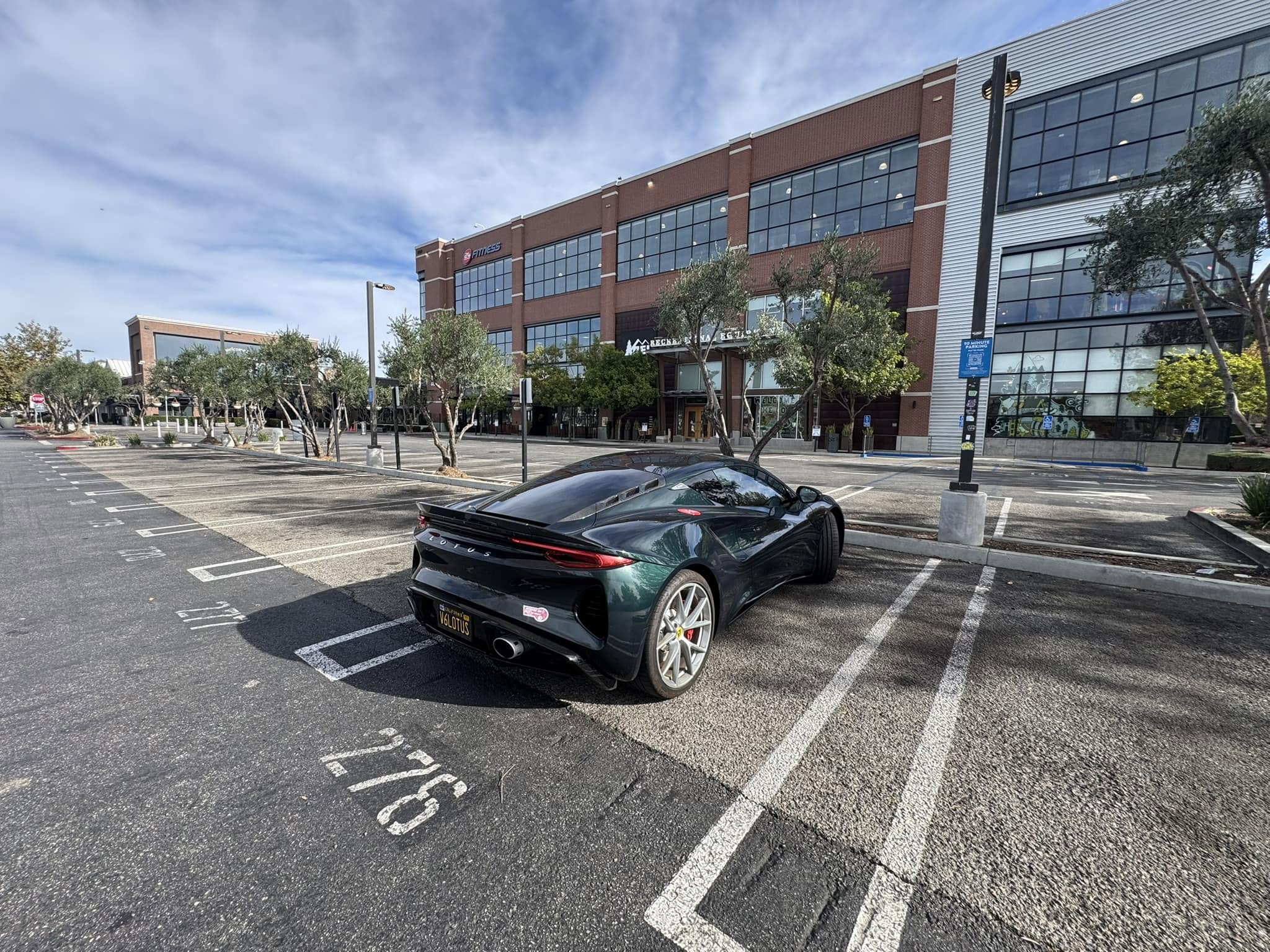
Here’s the honest answer: not always. The better the tire, the more it often asks of you. It’ll likely wear out faster, cost more, and possibly compromise ride quality on certain streets. If rough roads, potholes, and traffic define your route to work, maybe you don’t really need a great tire.
Most cars do, in fact, wear all-season shoes. They last longer, cost less, and are more forgiving. But if you enjoy driving, you might never go back. That grip. That feel. That connection.
Finding the Right Balance
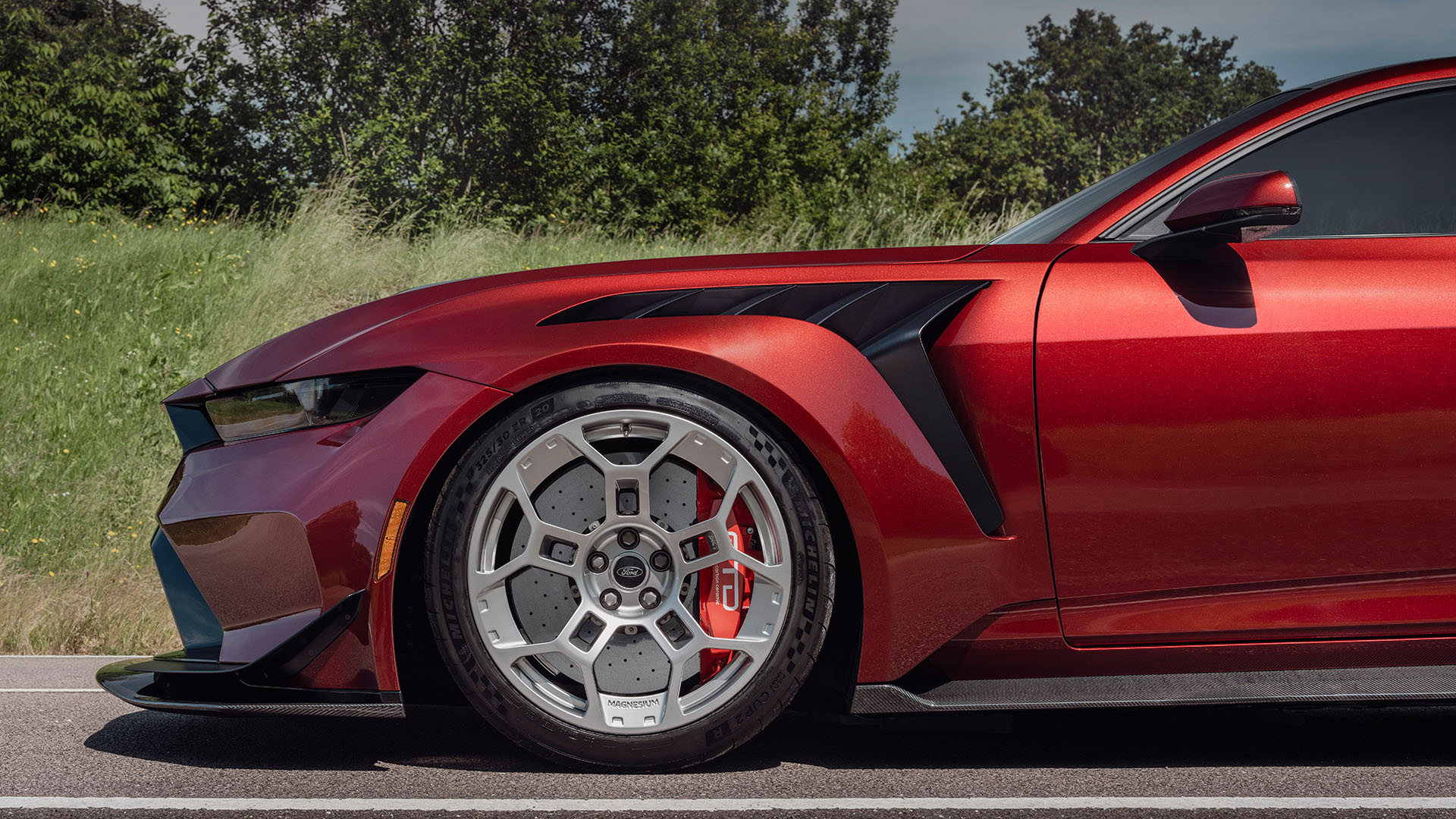
This is the point where the shift happens. It’s becoming less and less of a choice between going with all-out performance tires and picking something more versatile. Common sizes like 225/45R17 are now widely available in performance options, which means you can begin to meet in the middle. You get better all-around handling, without losing too much feel or ride comfort, and without paying an arm and a leg.
There are a few, like Priority Tire, that have recently released products that make spirited driving more affordable up front. You don’t have to pay the highest price in the industry to stay safe around some curves.
So, Should You Make the Switch?
It depends on what you want out of your car. If you see driving as an onerous chore and just want to make it work while spending the least amount of money possible, you probably don’t need them. But if you’ve ever wished your car felt a bit more precise, a bit more athletic, and/or just generally a bit more fun to drive, then the answer is almost certainly yes.
You don’t have to be a racecar driver to appreciate the difference. Sometimes it’s just about feeling slightly more in command on your drive home from work, and that’s a feeling most drivers can appreciate.