
The Honda NSX has earned its place among the defining sports cars of the 1990s, combining mid-engine performance, everyday usability, and engineering precision in a package that challenged established European supercars. Now, JAS Motorsport aims to reinterpret that formula for a new generation with the Tensei, an extensively reengineered NSX that blends the original car’s character with contemporary materials, chassis technology, and improved performance.
Developed by JAS Motorsport, a company with decades of experience in Honda racing programs, the Tensei is not a conventional restoration or an extreme restomod. Instead, it seeks to preserve the essential qualities of the original NSX while addressing areas where modern engineering can deliver meaningful improvements.
Carbon-Fiber Bodywork With Contemporary Styling
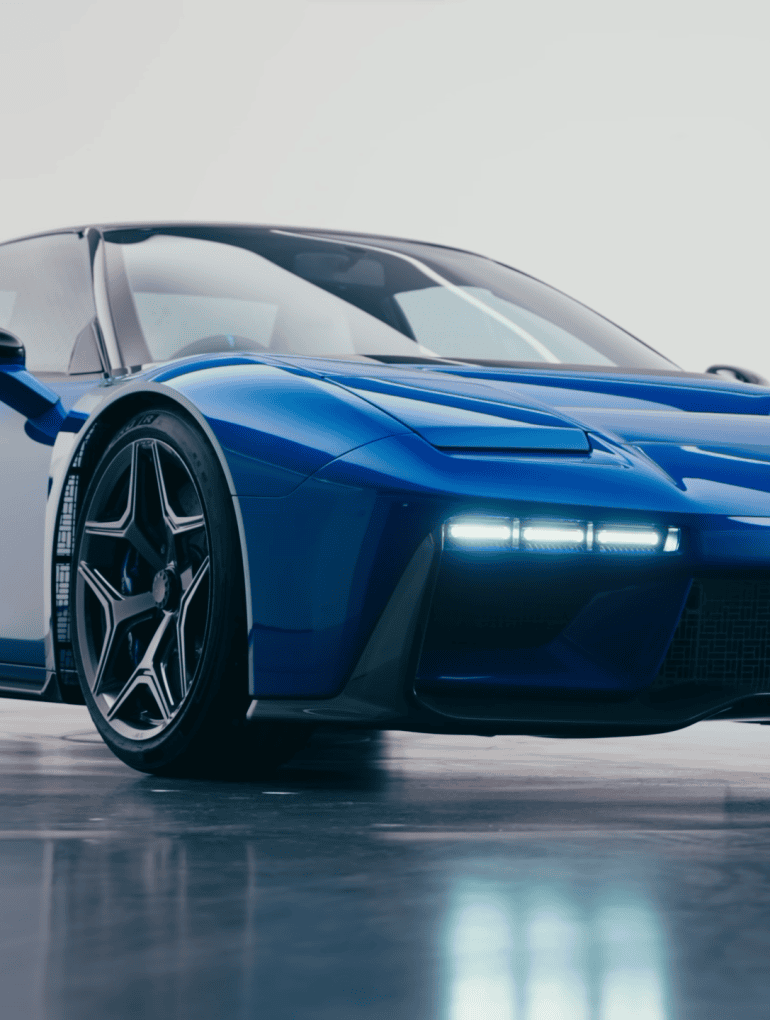
The Tensei’s exterior was designed in collaboration with renowned Italian design house Pininfarina. Although the car retains the unmistakable proportions of the original NSX, its bodywork introduces sharper details, wider front wheel arches, revised aerodynamic surfaces, and more carefully integrated cooling channels.
Every exterior body panel is made from carbon fiber and mounted over the original aluminum structure. The first-generation NSX was notable for its pioneering pressed-aluminum monocoque, and retaining this fundamental architecture maintains an important connection to the original engineering concept.
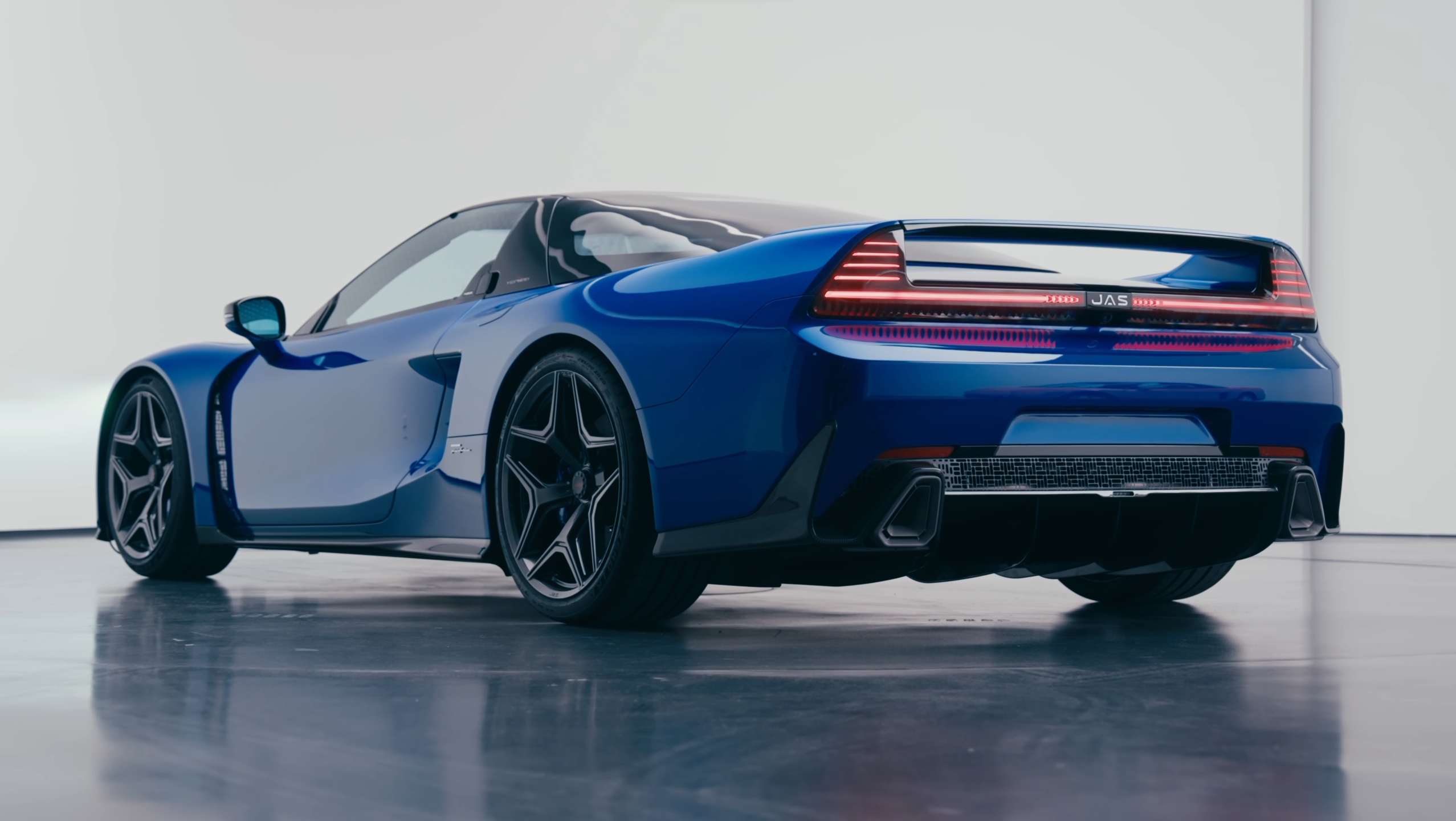
Pop-up headlights remain part of the design, alongside updated daytime running lights and a reshaped front intake. At the rear, triangular taillights, a full-width light bar, and a redesigned exhaust arrangement provide a modern interpretation of the NSX’s distinctive styling.
Computational fluid dynamics (CFD) simulations informed revisions to the rear spoiler and diffuser, improving aerodynamic performance without compromising the car’s recognizable silhouette.
Despite larger wheels, tires, and brakes, the extensive use of carbon fiber helps keep the Tensei’s projected weight near 1,400 kilograms, close to the original NSX’s approximately 1,370-kilogram figure.
Judd-Developed Naturally Aspirated V6
Power comes from a reworked Honda V6 with a 3.5-liter displacement, replacing the original NSX’s 3.0-liter and later 3.2-liter engines. Engine specialist Judd has developed the powertrain with extensively revised internal components, including a new crankshaft, connecting rods, pistons, intake plenum, six individual throttle bodies, and engine management system.
The result is a naturally aspirated engine producing approximately 420 horsepower and capable of reaching 8,500 rpm. Although the engine abandons the original NSX’s signature VTEC system, it retains the high-revving character and direct throttle response central to the car’s appeal.
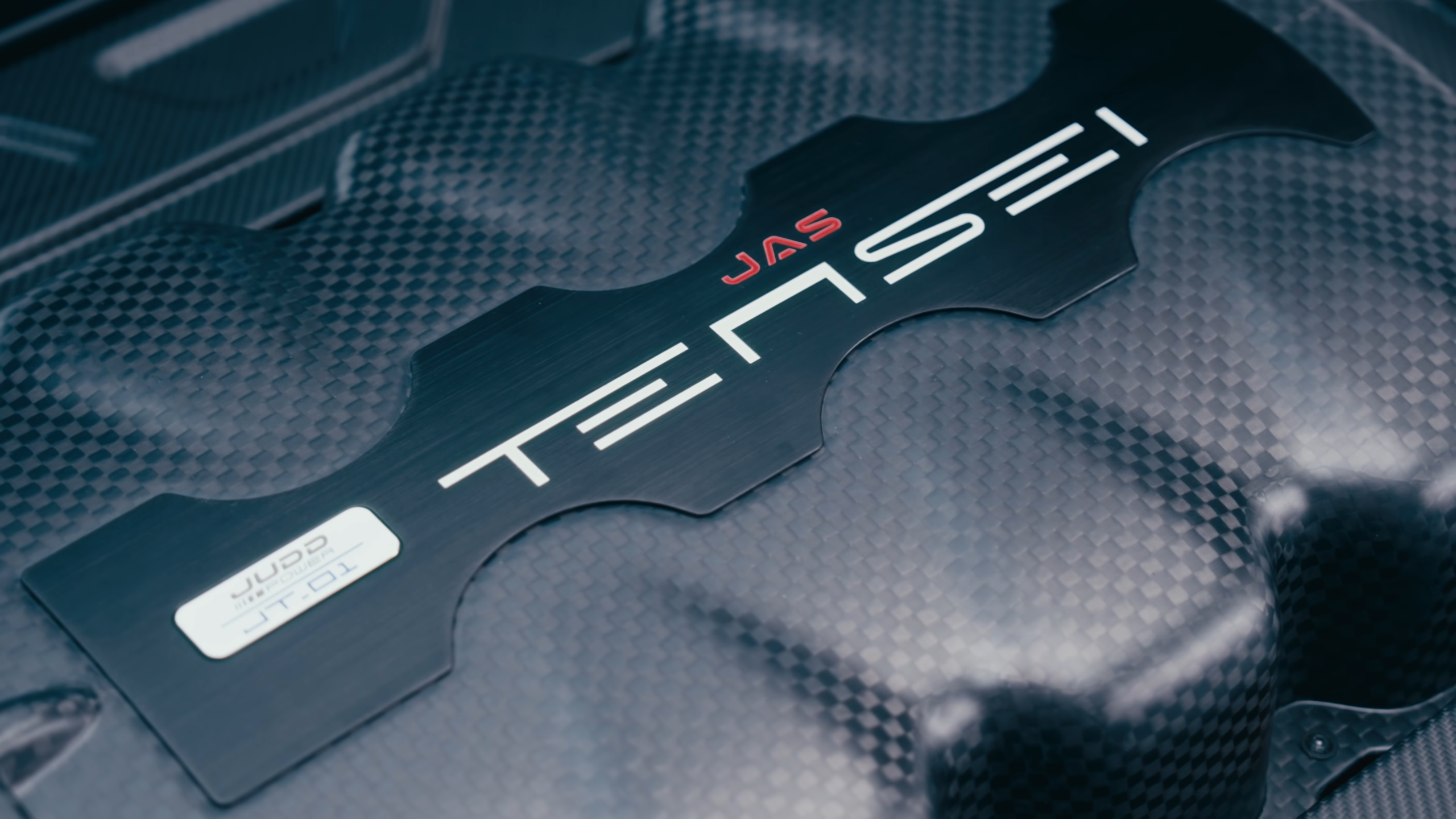
Power is delivered through a newly developed six-speed manual transmission, replacing the original five-speed unit. The additional ratio modernizes the drivetrain while preserving the clutch-operated, three-pedal experience that enthusiasts expect from a driver-focused NSX.
Modernized Chassis and Driver-Focused Interior
Beyond its revised bodywork and powertrain, the Tensei receives substantial chassis engineering. Carbon-fiber reinforcement panels are bonded into the structure to improve rigidity, while newly designed suspension arms, wishbones, rear multi-link components, and uprights update the original suspension architecture.
KW electrically adjustable dampers work with progressive-rate springs, while modern tires and revised suspension geometry aim to improve precision without sacrificing everyday comfort. Race-derived ball joints provide accuracy at the wheels, with conventional bushings retained at selected mounting points to preserve compliance on public roads.
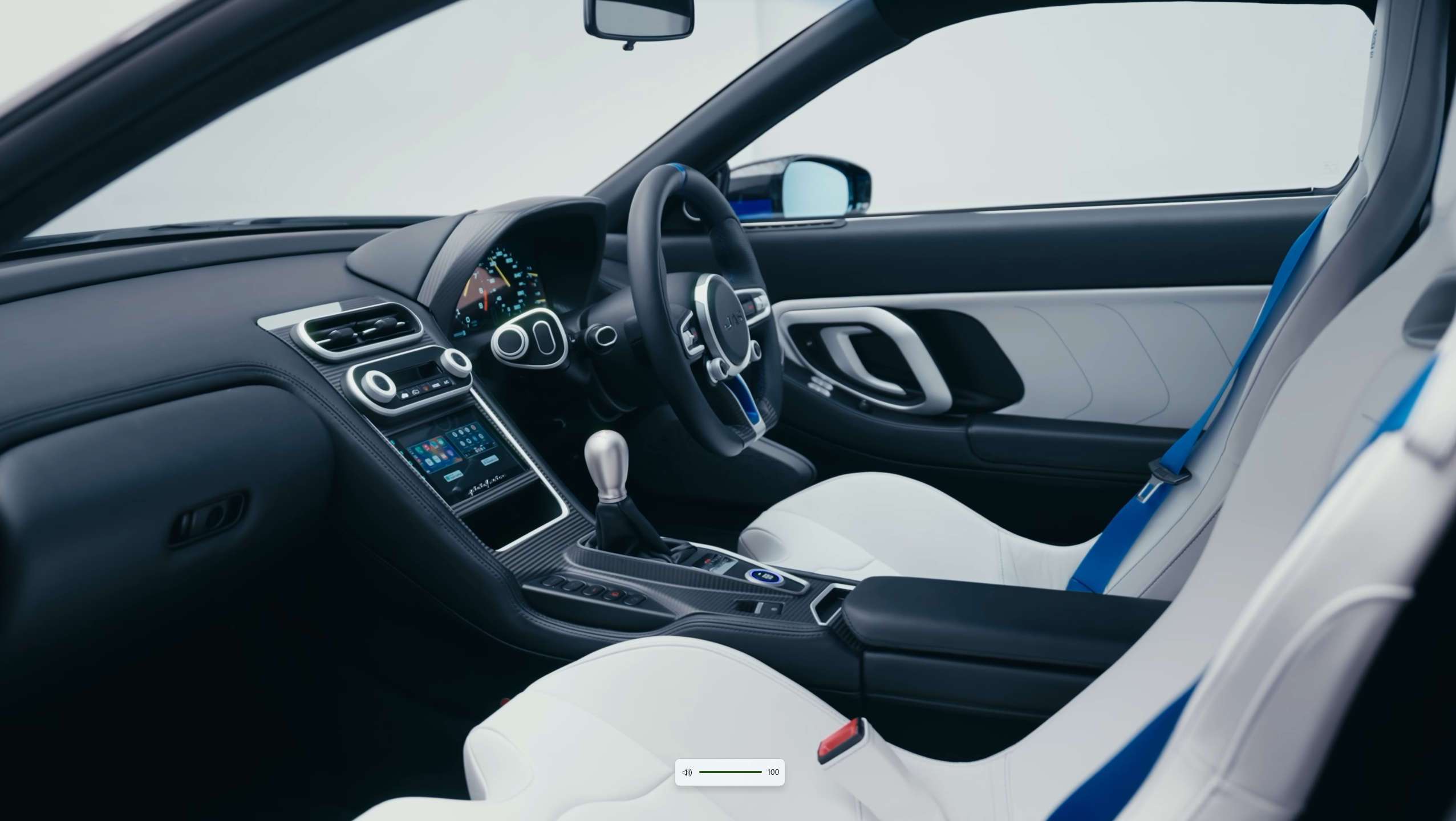
Inside, the cabin balances modern convenience with recognizable NSX design elements. A configurable digital instrument display can reproduce the original car’s six-dial arrangement, while the familiar dashboard pods and door-integrated air vents maintain visual continuity. Apple CarPlay, Android Auto, air conditioning, a stereo system, and a front-axle lift function reinforce its usability beyond the racetrack.
Exclusivity Comes at a Significant Price
Honda has approved the Tensei project, lending credibility to JAS Motorsport’s effort to reinterpret the iconic sports car. However, the transformation is an expensive undertaking: pricing is approximately £770,000, plus applicable local taxes, and customers must supply an original NSX for conversion.
The Tensei ultimately prioritizes engineering refinement and driver involvement over headline-grabbing power figures. Its combination of naturally aspirated performance, manual transmission, structural upgrades, and carefully evolved styling reflects a philosophy of modernization without abandoning the original car’s identity.
Its name, meaning reincarnation in Japanese, captures the project’s central ambition: to give the Honda NSX a contemporary second life while preserving the qualities that made it an icon in the first place.
Source: Top Gear