

Forty years before performance SUVs dominated the automotive landscape, Lamborghini unleashed a machine so outrageous that the world barely knew what to make of it. In January 1986, at the Brussels Motor Show, the Lamborghini LM002...

Clad in striking Argento Nürburgring paintwork accented by the exclusive Piloti Ferrari...
Porsche has revealed an extraordinary trio of one-of-one 911 models inspired by...
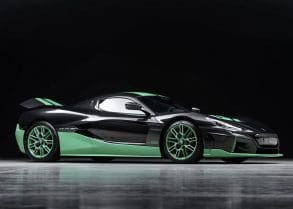
This 2023 Rimac Nevera Time Attack Edition is one of just 12...
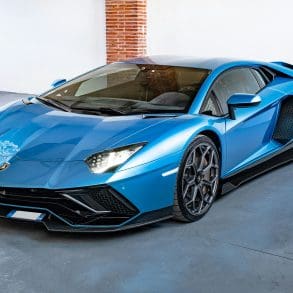
The Lamborghini Aventador served as Lamborghini’s flagship V-12 supercar throughout its 11-year...
Become a member and unlock exclusive access to member-only content, a totally ad-free experience and be part of a vibrant community dedicated to the iconic enthusiast performance cars.
Latest News & Updates
Only the coolest performance, supercar and collector car news
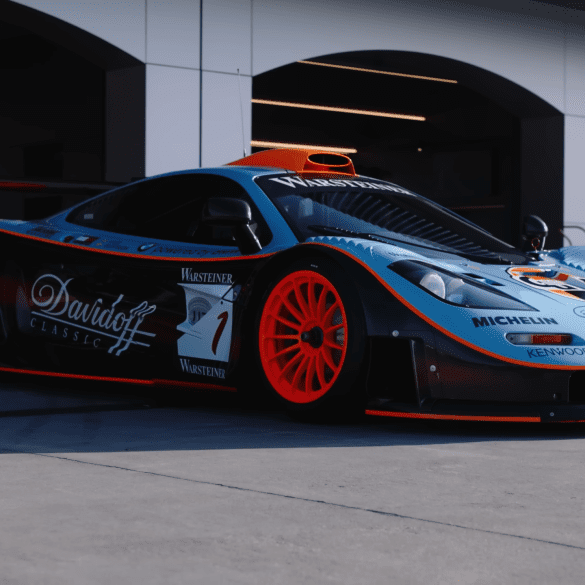
Chris Harris takes the wheel of one of the most significant and captivating McLaren race cars ever built—the final McLaren F1 GTR Longtail chassis produced. Combining breathtaking design, unmistakable V12...
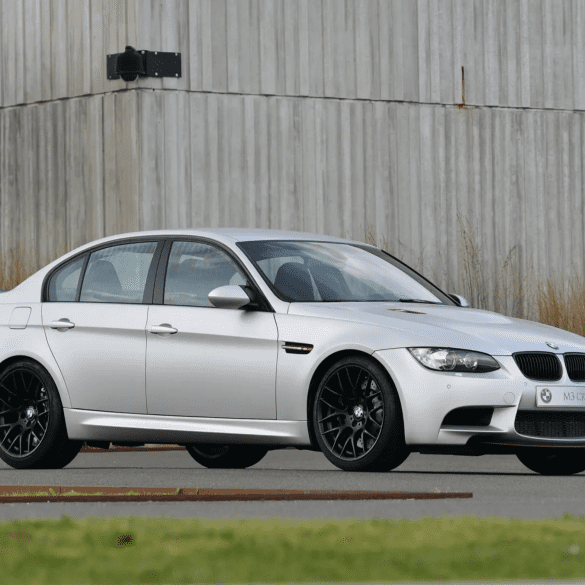
Frankfurt, June 2011. BMW unveiled the M3 CRT at the Nurburgring 24 Hour race weekend, a remarkable limiting-run special edition combining lightweight carbon construction with a 4.4-liter naturally aspirated V8....
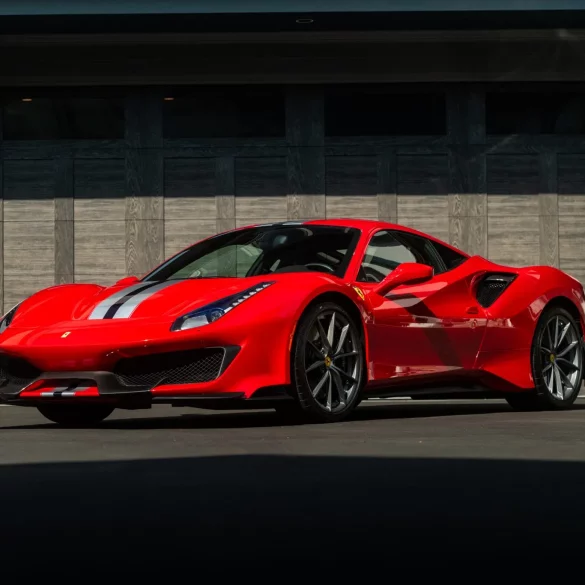
Based on the Ferrari 488 GTB, the 488 Pista was developed using technology and experience gained from Ferrari’s 488 Challenge and 488 GTE racing programs. Named after the Italian word...
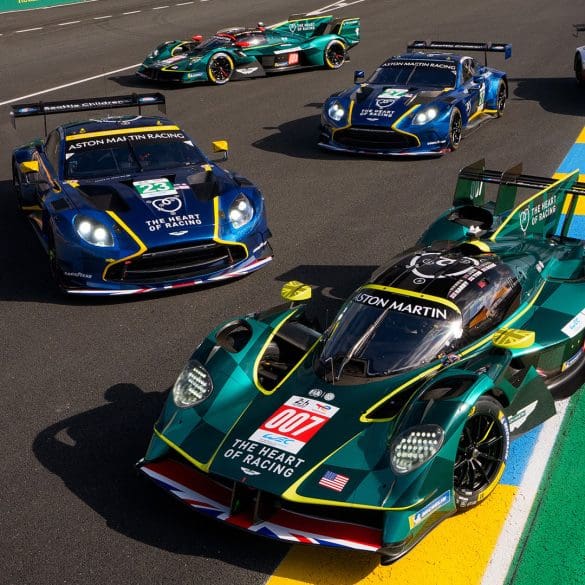
The British marque returns to the legendary Circuit de la Sarthe this June with its astonishing Valkyrie Hypercar, determined to transform last year’s promising debut into a genuine challenge for...
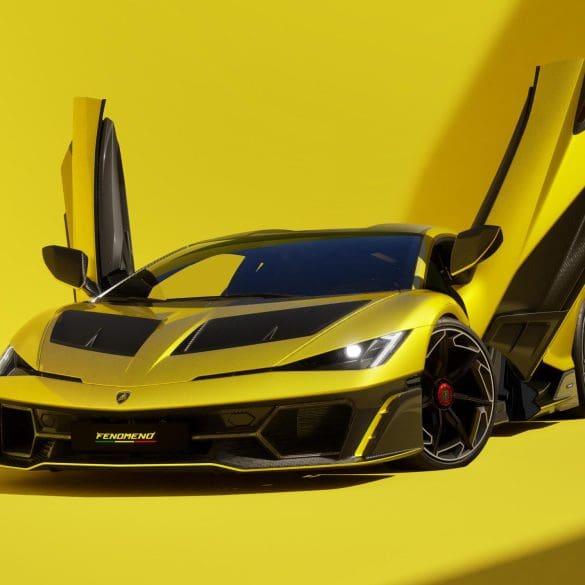
Automobili Lamborghini has earned the prestigious Red Dot: Best of the Best 2026 award for the Fenomeno, a limited-production model capped at just 29 units and widely regarded as the most advanced expression of...
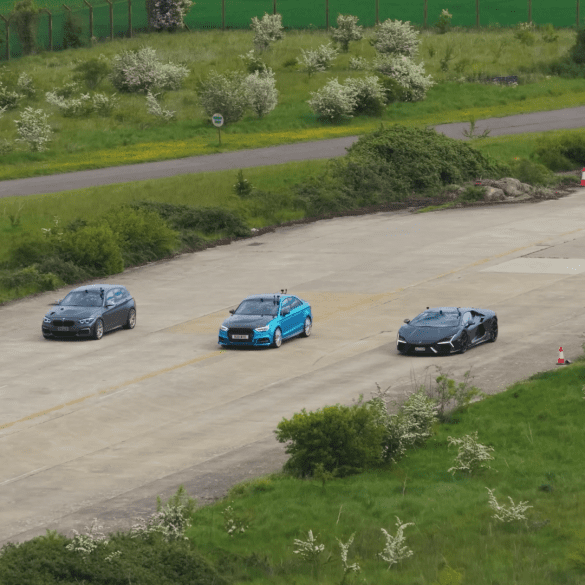
Mat Watson and the team at carwow assembled one of their wildest drag race matchups yet, pitting the electrified V12-powered Lamborghini Revuelto against two heavily modified street machines: a monstrous...
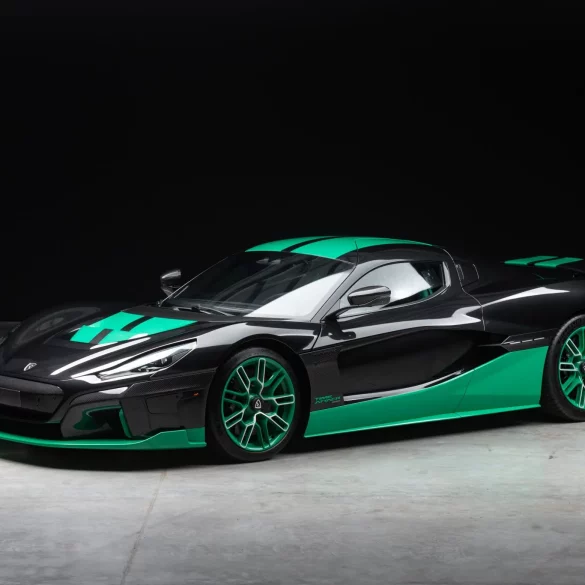
Founded in 2009 by Mate Rimac, Rimac Automobili quickly established itself as a pioneer in electric hypercar technology. The company unveiled the Nevera—initially known as the C_Two—at the 2018 Geneva...
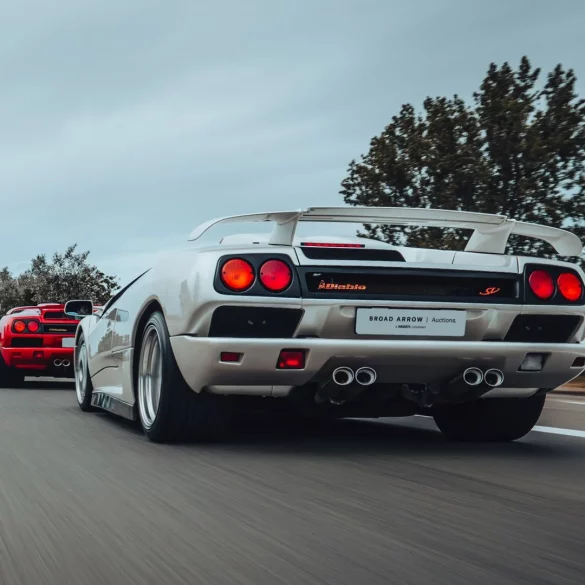
Geneva, March 1995. Lamborghini unveiled the Diablo SV, a rear-wheel drive variant of the already extreme Diablo supercar. The “SV” designation stood for Svetlus Veloce, emphasizing the car’s focus on...
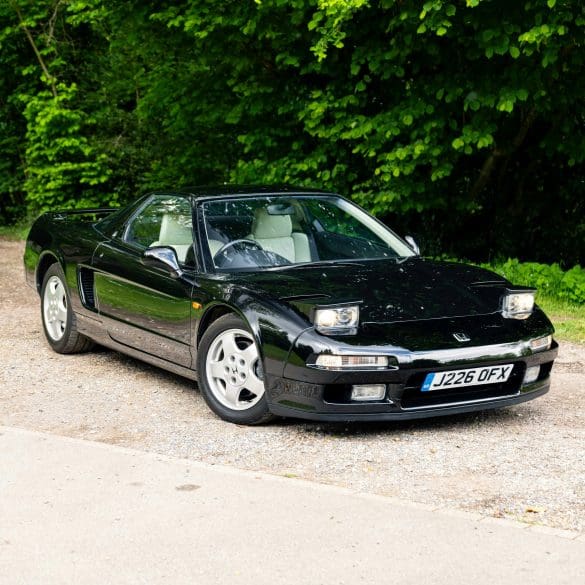
Tokyo, September 1989. Honda unveiled the NSX, a mid-engined supercar developed over six years with input from Formula 1 champion Ayrton Senna. The name stood for “New Sportscar eXperimental,” signaling...
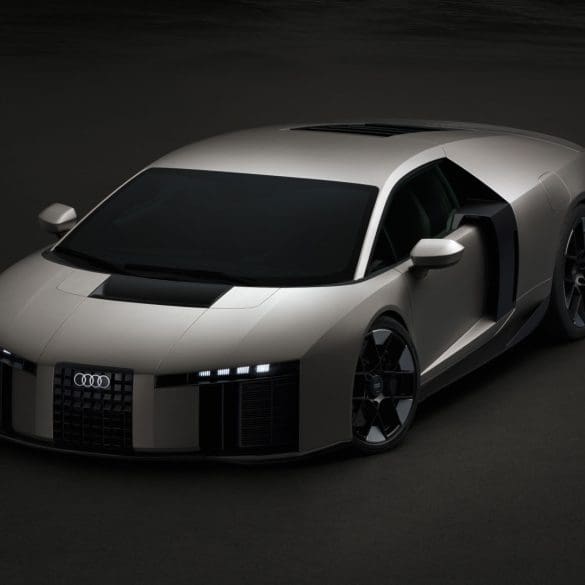
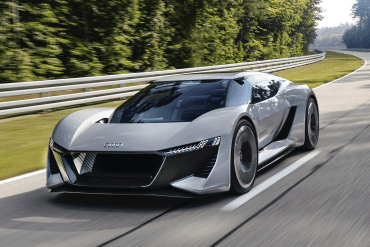
Audi has revealed the all-new Nuvolari, a limited-production hybrid hypercar set to become the fastest and most powerful road car in the brand’s history. Producing a staggering 1,001 PS (736...
Features Stories & Member-Only Content
Behind-the-Scenes Coverage, In-Depth Stories and Premium Editorials for Our Members
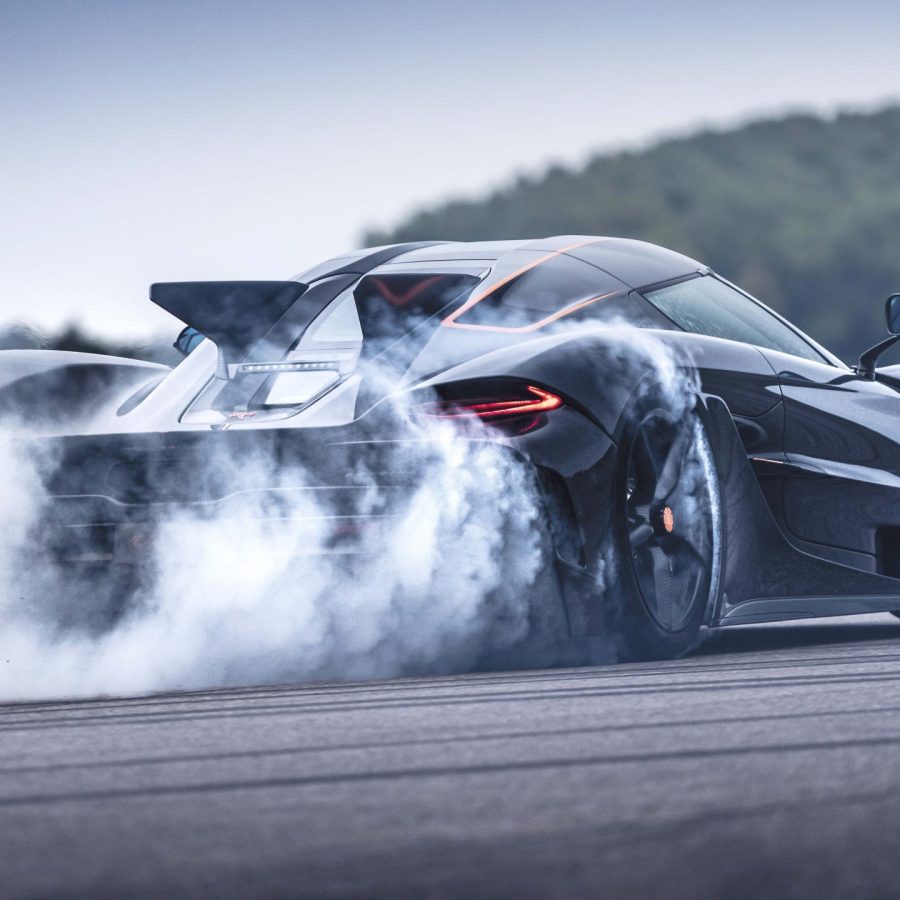
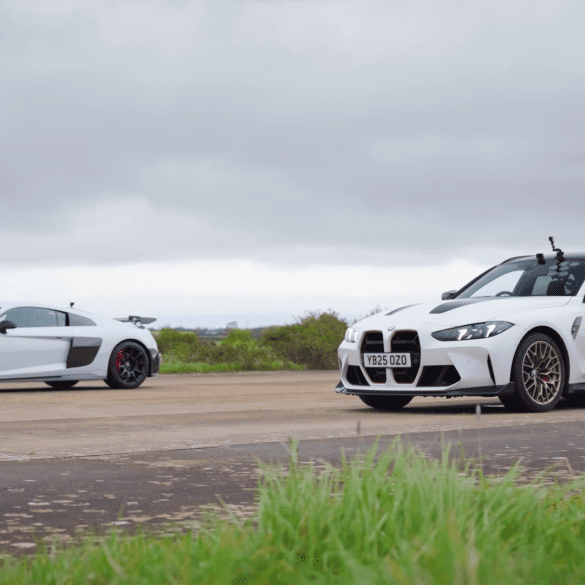
The latest carwow runway showdown delivered an intriguing clash of automotive philosophies, pitting the BMW M3 CS Touring against the Audi R8 GT in a series of acceleration, rolling-race, and...
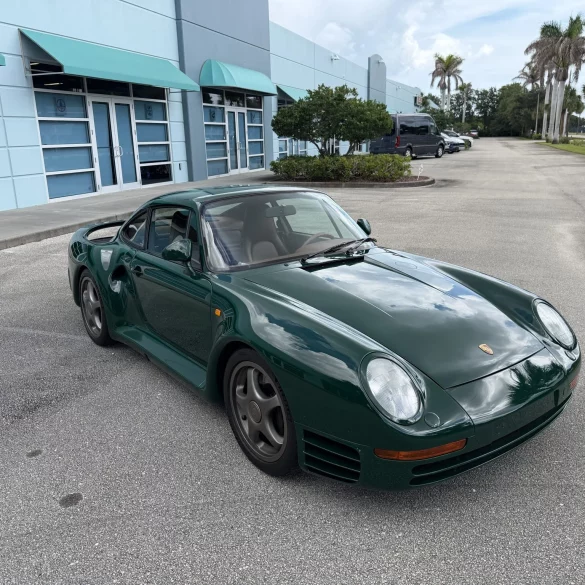
The Porsche 959 was developed in 1981 after Porsche chief engineer Helmuth Bott received approval from managing director Peter Schutz to create a 911-based Group B rally car. A prototype...
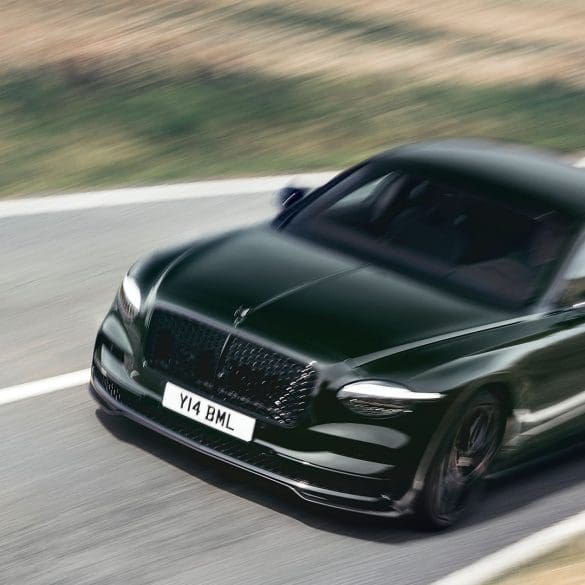
Bentley has unveiled the latest generation Flying Spur, delivering a comprehensive evolution of its flagship luxury sedan and reinforcing its position at the pinnacle of the high-performance four-door segment. Combining...
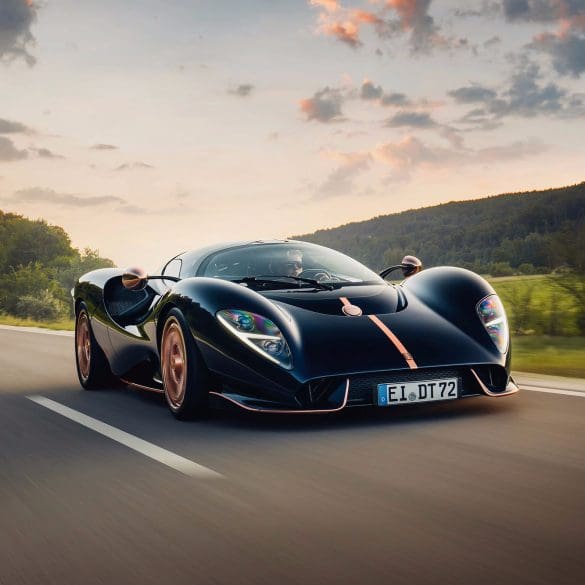
De Tomaso has revealed its latest bespoke P72 commission, dubbed “Aurelian Night.” Its bespoke craftsmanship has resulted in a one-off creation that demonstrates the marque’s continuing commitment to highly personalized...

While you’re planning your next road trip, there’s probably a long list of things you’d like to have along. But the more you pack, the more work you’ll have to...
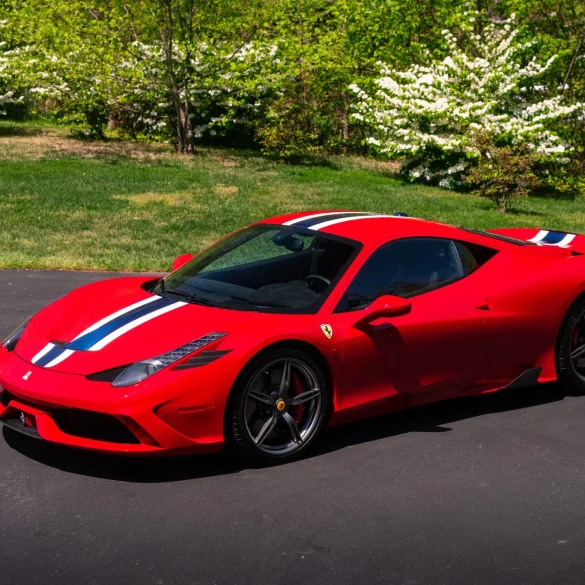
Introduced at the 2013 Frankfurt Motor Show, the Ferrari 458 Speciale was the most focused and performance-oriented version of the 458 platform. While visually similar to the 458 Italia, it...
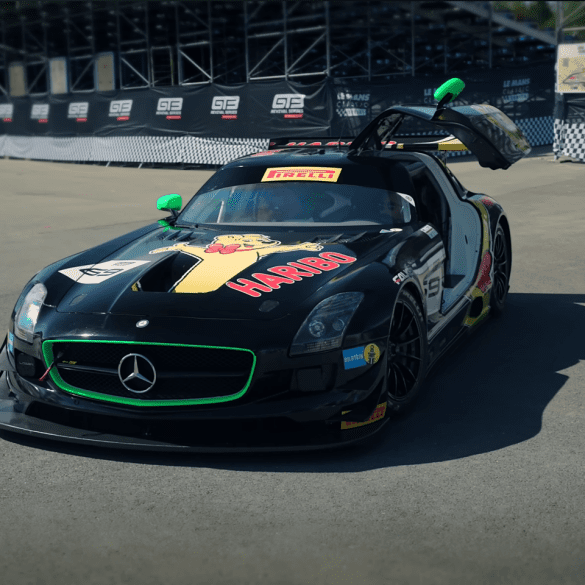
A recent onboard video published by Robbert Alblas on YouTube offers a thrilling look at the Mercedes-Benz SLS AMG GT3 attacking the legendary Spa-Francorchamps circuit. Captured from the cockpit, the...
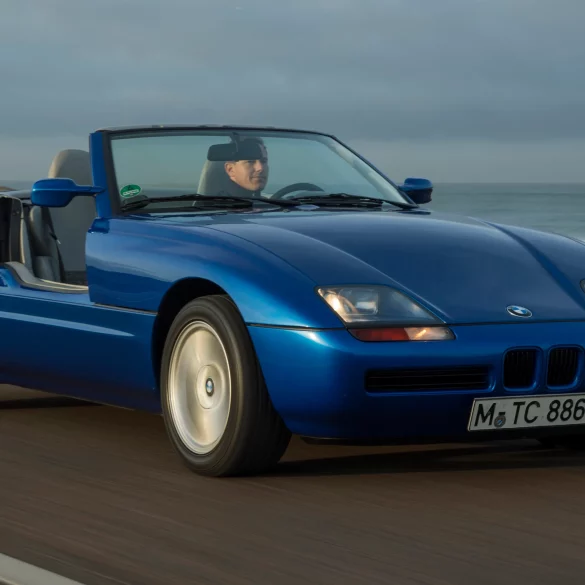
Frankfurt, September 1987. BMW unveiled the Z1, a sleek two-seater roadster that previewed the company’s future direction. The “Z” designation signified a new era of BMW roadsters, returning to the...
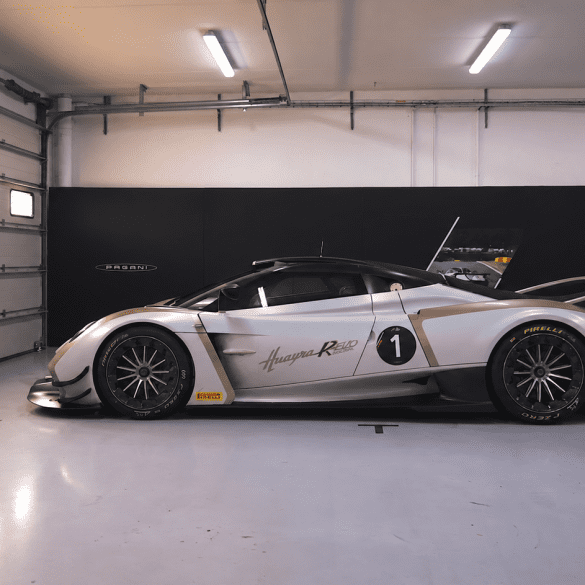
The sun-drenched expanse of Paul Ricard provided the ideal proving ground for the Pagani Huayra R Evo Roadster, a machine that redefines what a track-only hypercar can be. Piloted by...
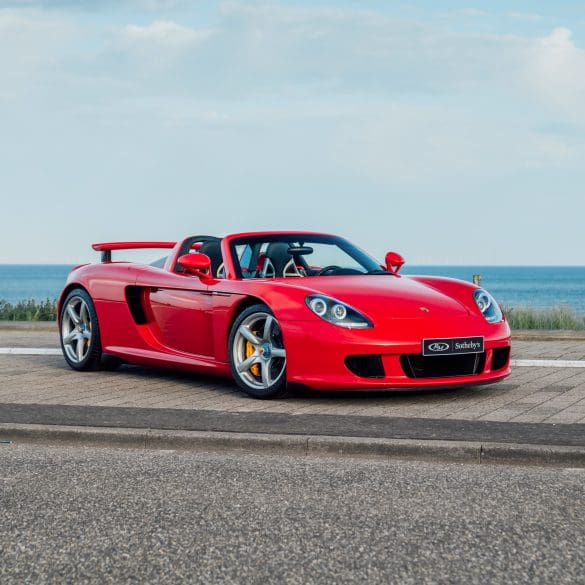
A highly desirable 2005 Porsche Carrera GT is set to cross the auction block at RM Sotheby’s on June 17, carrying an estimated value of up to $3.25 million. Representing...
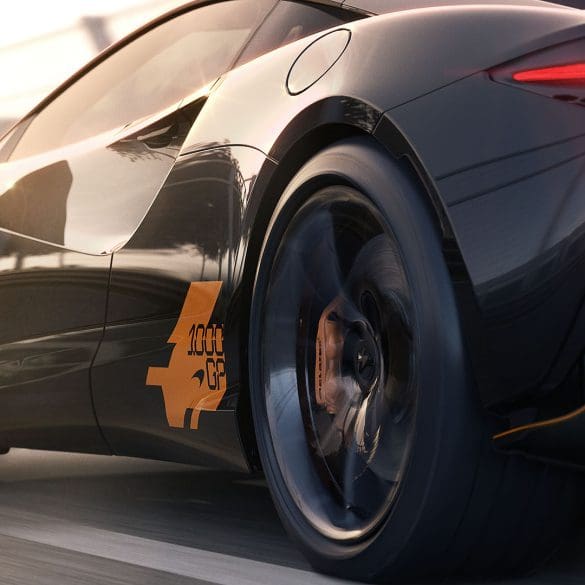
Just 10 examples will be built worldwide as McLaren marks one of the greatest milestones in Formula 1 history. McLaren Automotive has revealed the stunning new Artura 1000GP by McLaren...
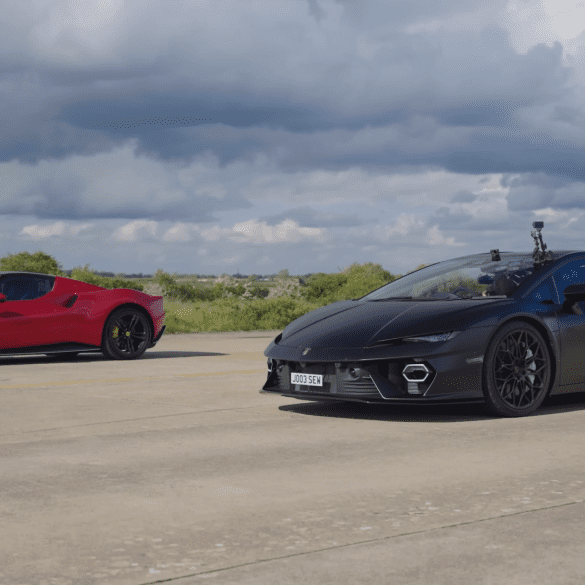
The latest high-performance showdown from carwow placed two of Italy’s most advanced hybrid supercars head-to-head as Mat Watson and his team tested the Lamborghini Temerario against the Ferrari 296 GTB...
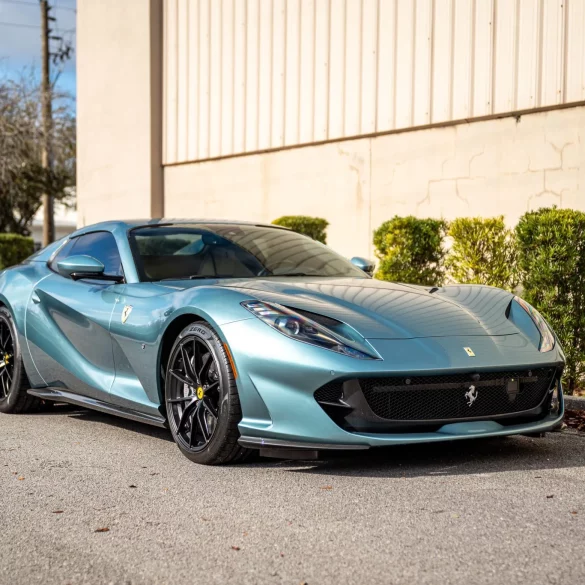
Ferrari introduced the 812 GTS in 2022, bringing open-air motoring back to the front-engine V-12 lineup through a sophisticated retractable hardtop design. The model retained the coupe’s extraordinary performance while...
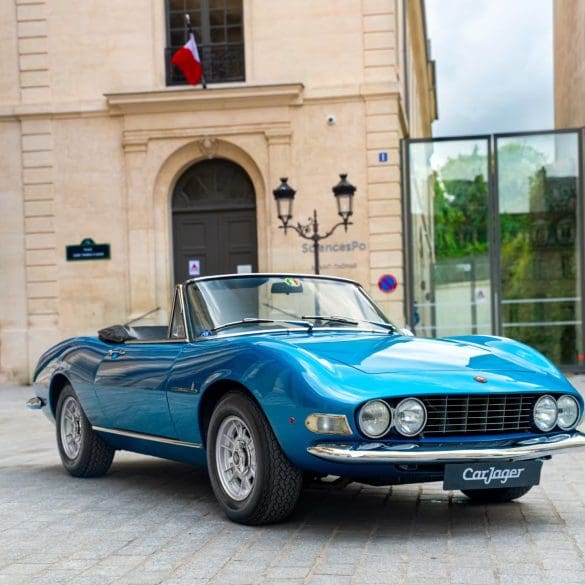
Turin, April 1966. Fiat unveiled the Dino 2000, a mid-engined sports car powered by a 2.0-liter V6 engine developed jointly with Ferrari. The engine was a derivative of Ferrari’s racing...
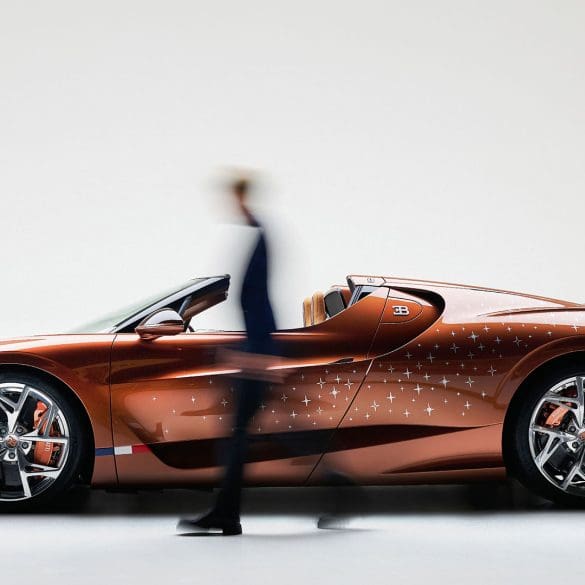
Bugatti has unveiled one of its most emotionally charged creations to date, a one-of-one W16 Mistral crafted through the marque’s ultra-exclusive Sur Mesure division. Named “Le Retour du Jeune Prince”...
Our Most Popular Research Hubs
Model Guides, Videos & Cars for Sale. We Have It All If You're a Car Nut