
-
1.
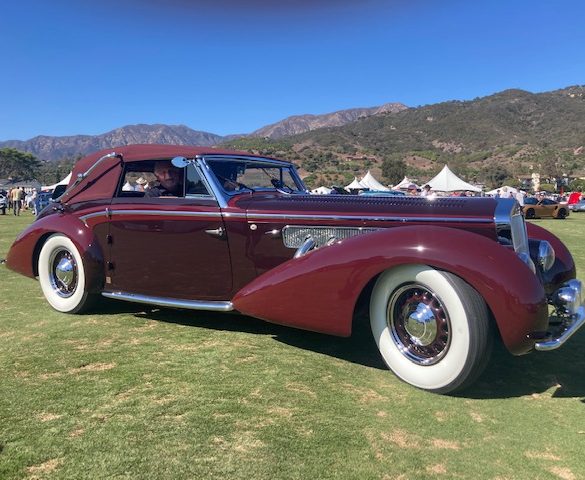
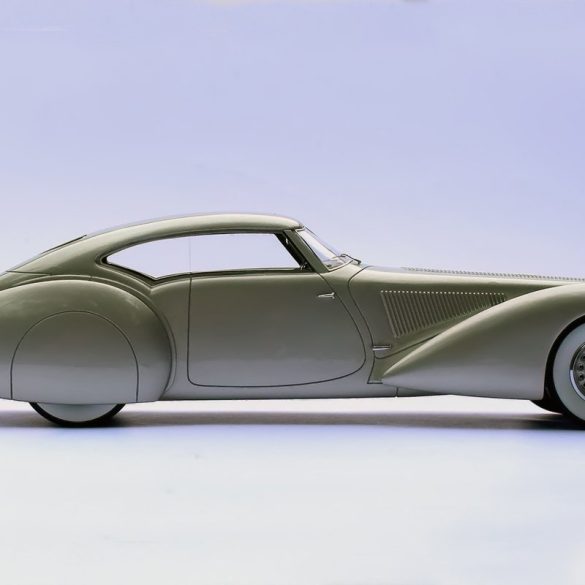
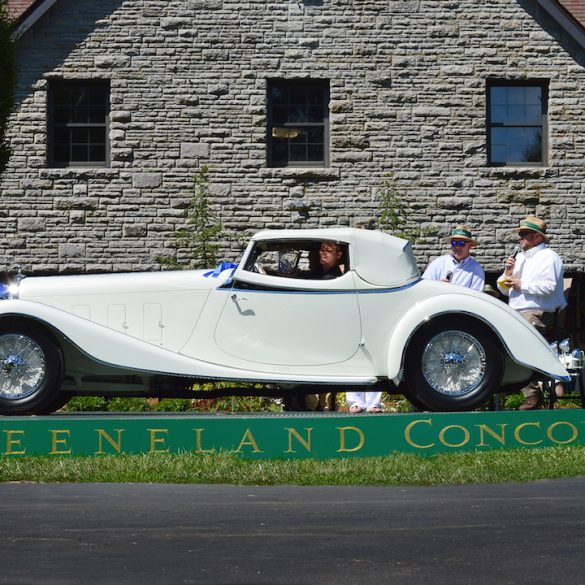
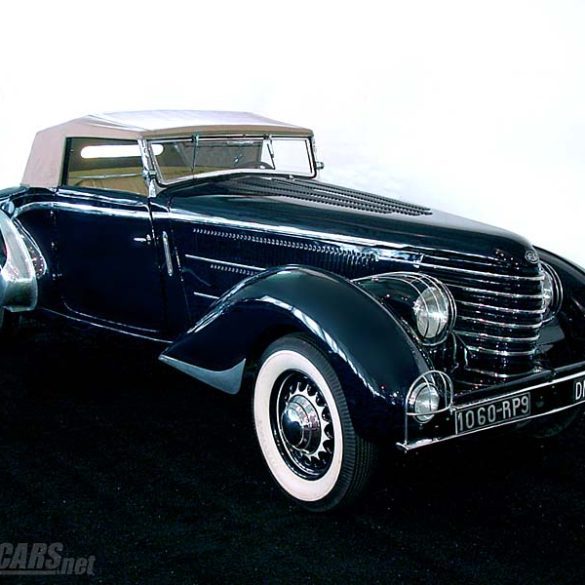
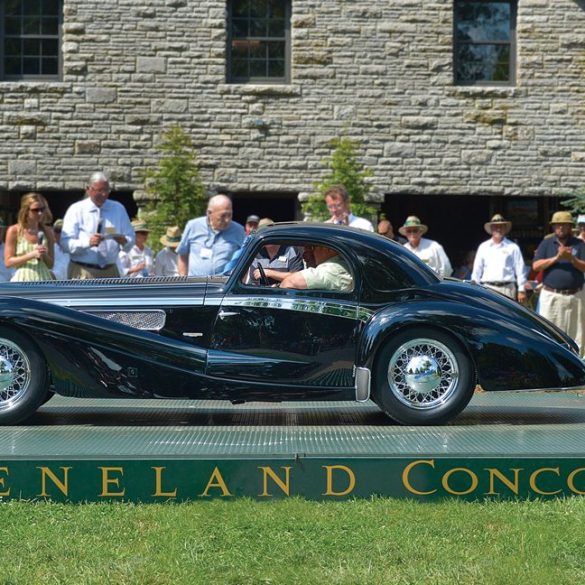
Of the custom-bodied cars to emerge out of the immediate post-WWII era, this Faget Varnet Cabriolet ranks among the very best. With its original two tone paint scheme, streamlined fenders and uncluttered lines, it was made to impress at the Salon de Paris in October of 1949.
-
2.
After the war Delahaye continued to make cars largely based on their prewar cars. The Type 175 S was released in 1948 alongside similar chassis made with a longer wheelbase.
-
3.
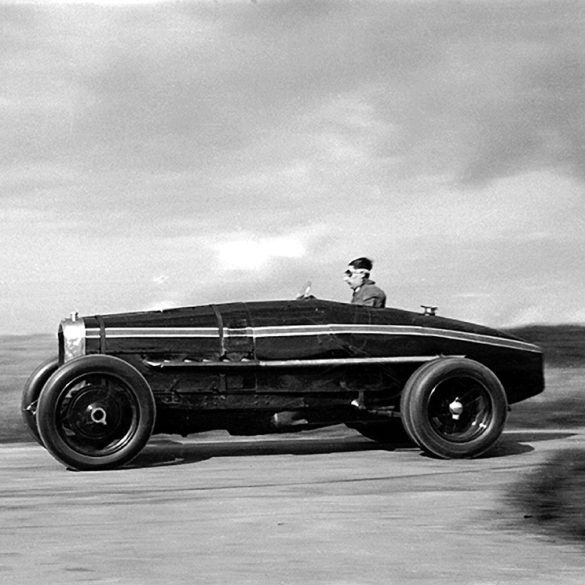
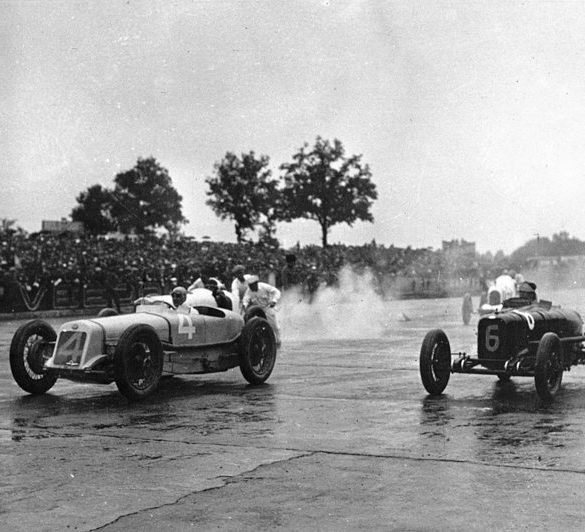
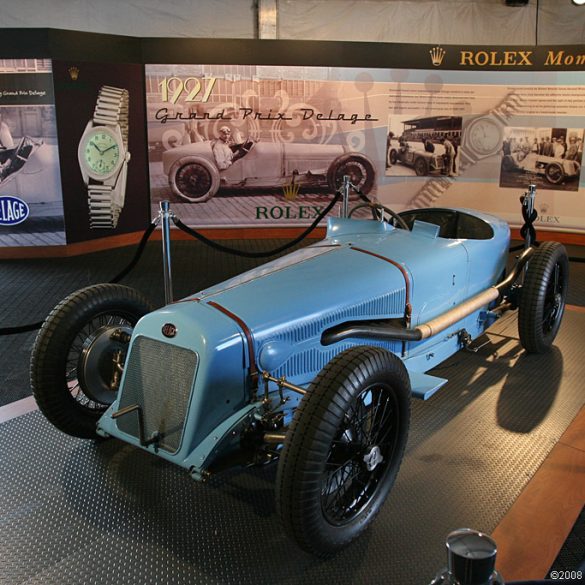
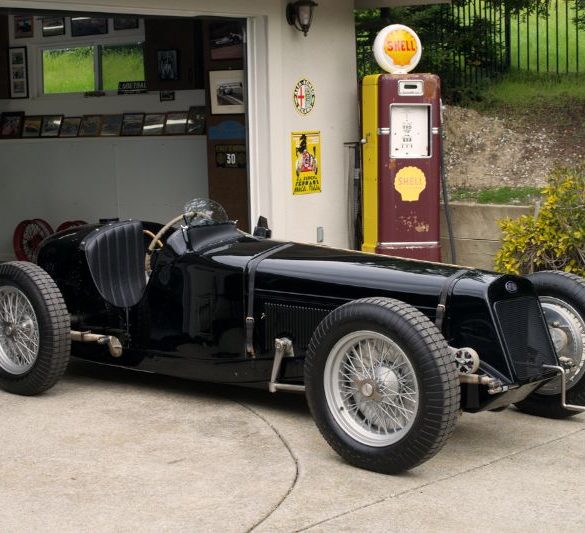
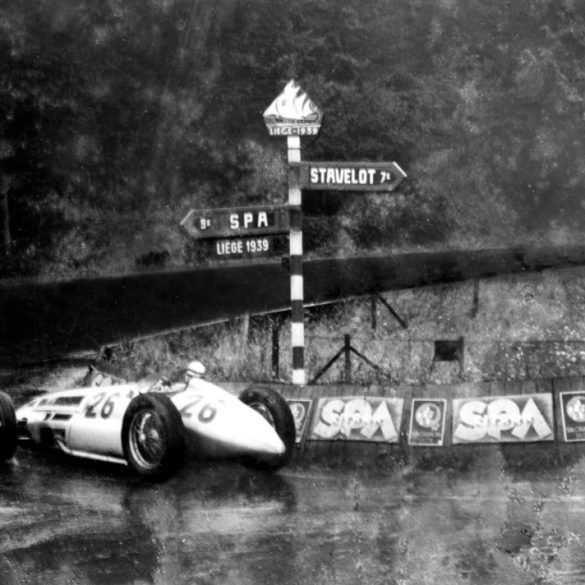
Motivated by their racing success, Henri Chapron bought two used Delahaye Type 145 competition cars to rebody them in his own way. With performance credentials to win events like the Pau Grand Prix, this chassis was one of the fastest in its day - a very special Type 145 adorned with simple cigar bodywork won a million francs from the French government for breaking the speed record at Montlhery.
-
4.
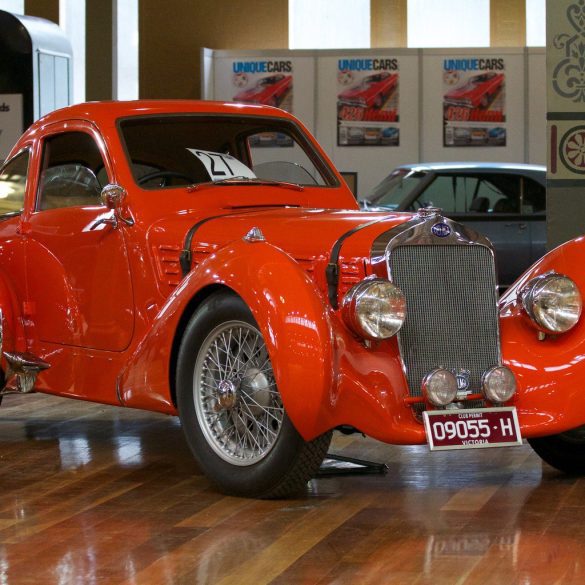
As one of Joseph Figoni's first postwar designs , the Narval continues the flowing teardrop lines from earlier eras, but with newer more rakish elements. It shares its name and distinct nose with the Narwal Whale, a relative of the Beluga that has a bulbous melon for breaking ice.
-
5.
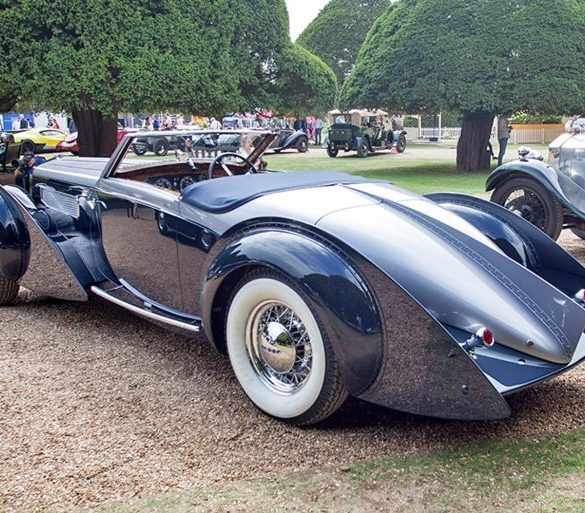
As one of the world's most voluptuous supercars, this cabriolet design was first released at the 1938 Paris Motor Show. Basically built on a production-version of the V12 145 racecar chassis, it received accolades for both radical performance and world class elegance. Furthermore, it is one of only a handful of cars to receive Delahaye's rare V12 engine.
-
6.
The most dramatic of all supercars is this 2-seat roadster which was owned by English movie star Diana Dors. Built for the post-war concours circuit, Saoutchik was responsible for its extreme body which borrowed styling cues from other earlier designs.
-
7.
To encourage local manufacturers, the French Government and the Automobile Club of France hosted a competition that would boost the image of French racing and engineering. To do so they offered a million francs to any company that could beat the Italian speed record around Montlhery with a car that adhered to the upcoming 1938 Grand Prix regulations. For the challenge, Delahaye constructed the 145...
-
8.
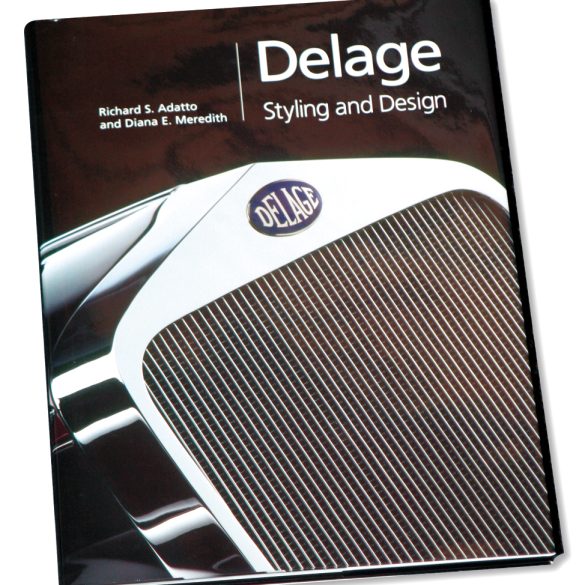
After only selling 77 cars in 1951, Delahaye decided to switch gears and build the 235. It was build in conjunction with french designer Philippe Charbonneaux with a new front grill that represented Delhaye's distributor General Automobile Frenchwoman (GFA). It was marketed as an expensive car that was one of the last built up as a coachbuilt special and the last car Delahaye sold.
-
9.
Standing for Modifie Speciale, the 135 MS was the definitive version of Delahaye's signature chassis. It had 100 mph performance which included it with the fastest cars in the world.
-
10.
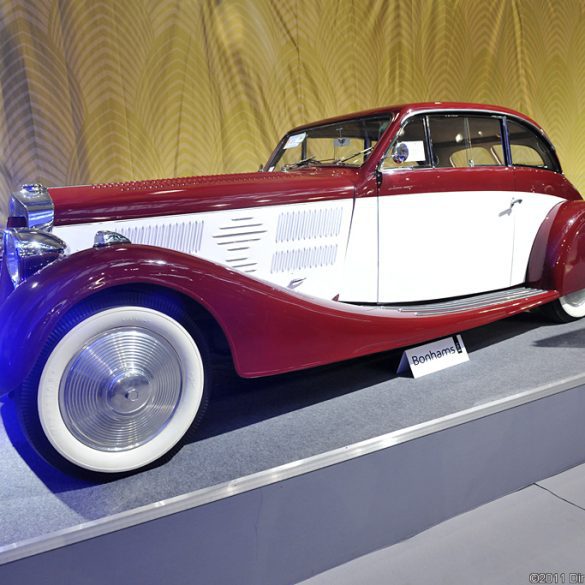
The 135 M (Modifie), is an upgraded version of the 135 first released in 1935. These cars typically feature custom coach built bodies and no two are identical. Combining luxurious appointments and race-winning engineering, the Delahaye 135 is one of the most desirable French cars from its time.
-
11.
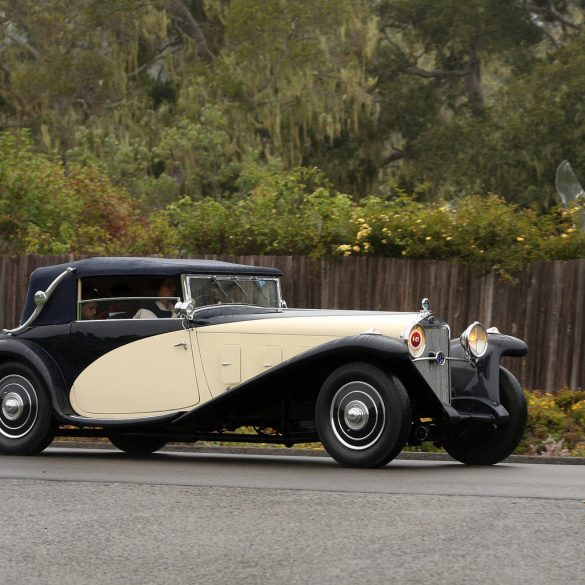
If the Talbot T150 Teardrop is Joseph Figoni's masterpiece, then the runner up is his Torpedo Cabriolet. Eleven of these striking bodies were manufactured, and some feature the best two-tone paint schemes ever used on a car. In comparison, these Cabriolets make almost every other Delahaye look second rate.
-
12.
As the smallest chassis Delahaye had on offer, the Competition Court was made to take the most advantage of Delahaye's new overhead valve inline-6. Some of the most striking designs of the period were fitted on the Competition Court including the Torpedo Cabriolet by Figoni et Falaschi.
-
13.
In 1936 the ideal French sports car was the 135 Special. It used the most developed version of Delahaye's inline-6 with simple competition bodywork. Many of these cars raced both in the Grand Prix and sports cars races during the pre-war era.
-
14.
After developing a reputation for producing reliable cars and commercial trucks, Delahaye switched gears with the Type 135. They were bought out by Delage the new shareholder's desire to produce a more prestigious model was fulfilled.