
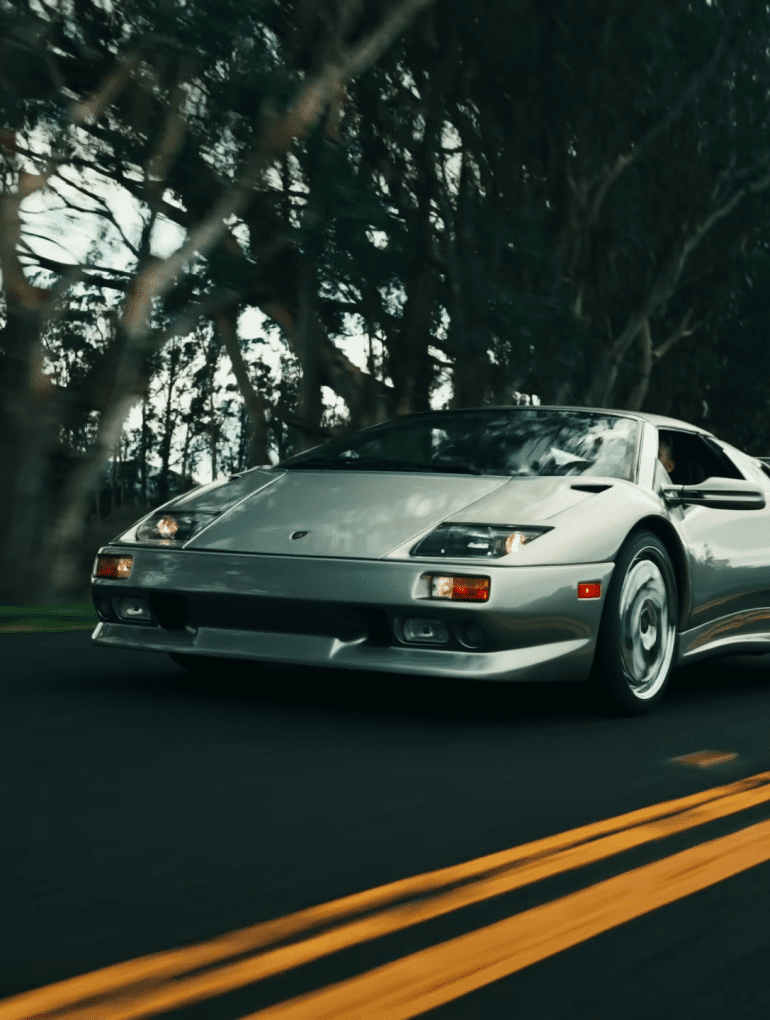
The Lamborghini Diablo VT is one of the defining supercars of the 1990s, embodying an era when performance machines were engineered to thrill rather than tame their drivers. As the first production Lamborghini equipped with all-wheel drive, the Diablo VT introduced the brand’s innovative Viscous Traction system, capable of transferring a portion of engine torque to the front wheels to enhance grip and stability without diluting the car’s raw character.
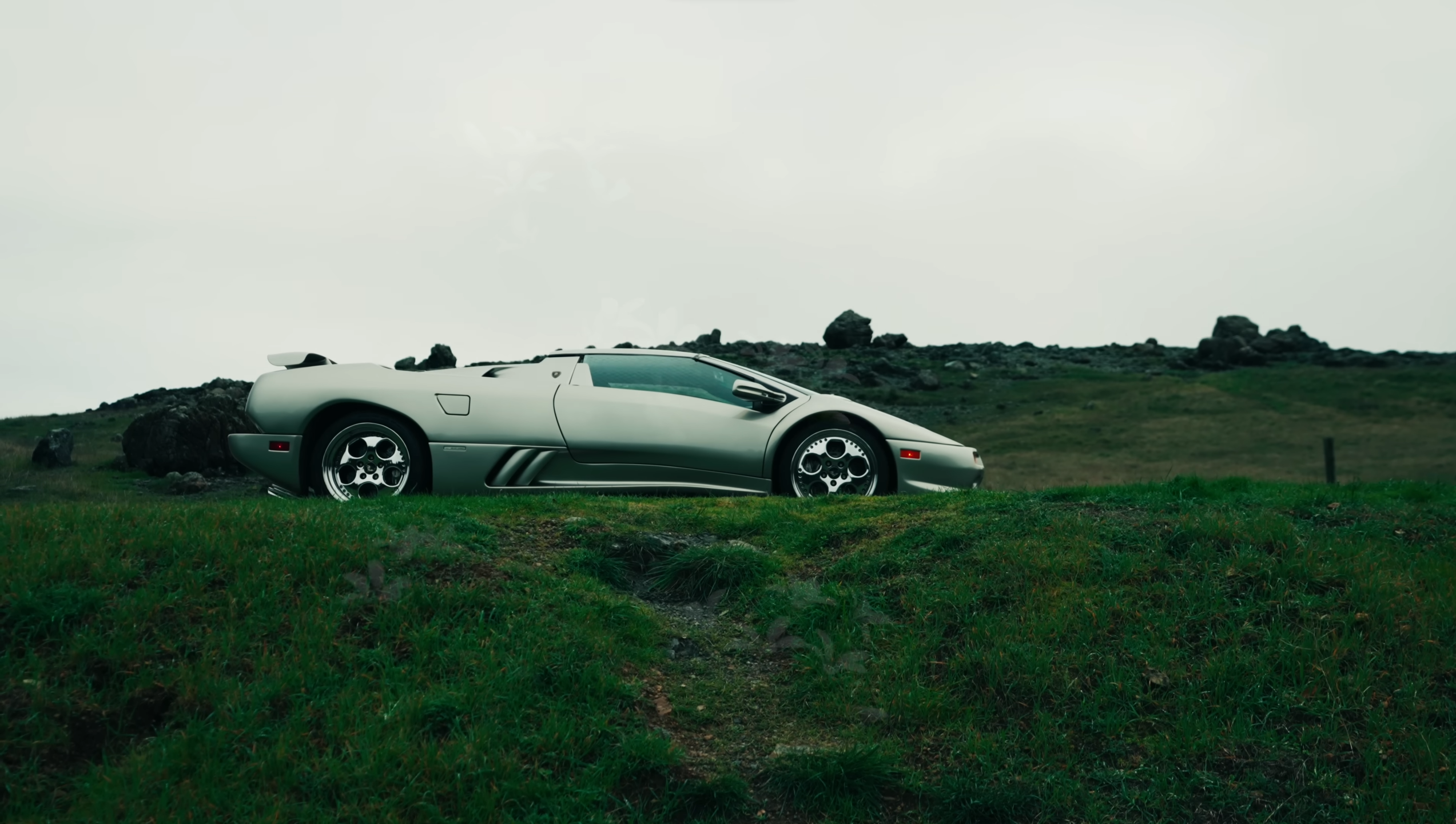
At the heart of the Diablo VT lies a naturally aspirated V12 that traces its heritage directly to the legendary engine architecture conceived by Giotto Bizzarrini for Ferruccio Lamborghini in the early 1960s. Over decades of refinement, the powerplant evolved from a 5.7-liter unit to a 6.0-liter masterpiece capable of producing up to 550 horsepower. In its ultimate form, the Diablo could sprint from 0 to 60 mph in approximately 3.5 seconds and surpass the coveted 200-mph barrier, cementing its status among the fastest road cars of its time.
Experiencing a Diablo VT on a mountain road is an exercise in mechanical immersion. With the V12 positioned mere inches behind the driver, every throttle input unleashes a thunderous soundtrack of combustion, induction, and exhaust resonance. There are no turbochargers to mute the experience—only a direct connection between engine and driver. The gated manual transmission, weighty steering, and uncompromising driving position demand focus and skill, rewarding those willing to master its distinctive personality.
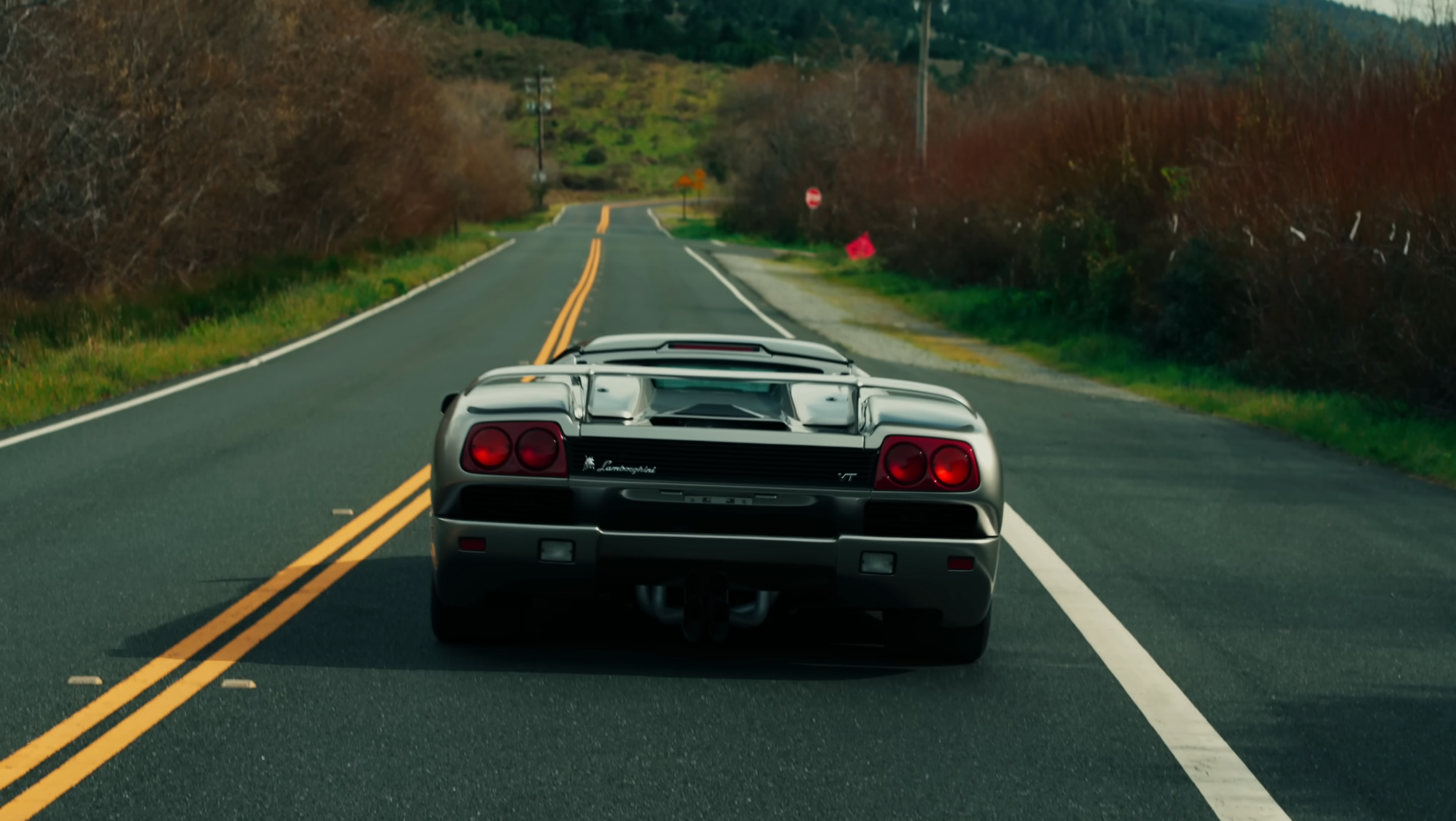
Unlike modern supercars engineered around electronic intervention and refinement, the Diablo VT remains unapologetically analog. Developed before Lamborghini fully embraced corporate influence and contemporary luxury expectations, it possesses a wild, unpredictable nature that enthusiasts continue to celebrate. It is this combination of breathtaking performance, historic engineering lineage, and untamed character that ensures the Diablo VT remains one of Sant’Agata’s most revered creations.
Source: Petrolicious